


How Can a Mini CNC Lathe Support Small Workshops?
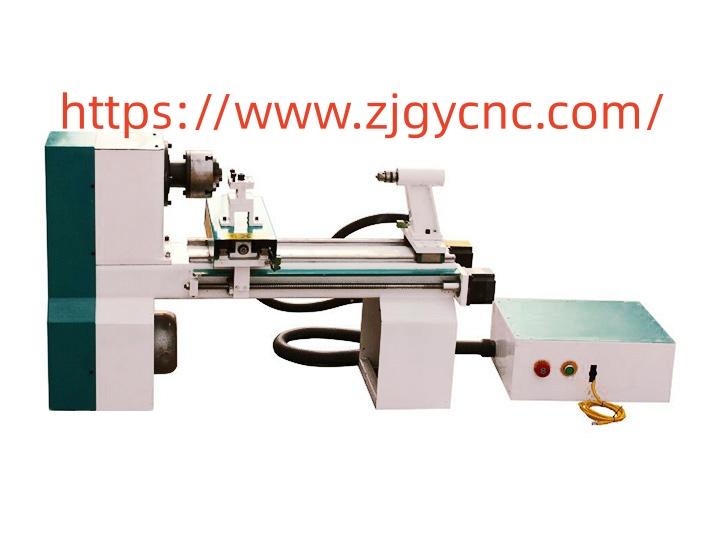
Mini CNC Lathe purchasing decisions should be based on actual production needs, and buyers can discuss these requirements with zjgycnc to evaluate an appropriate equipment configuration. For small manufacturers, component suppliers, repair facilities, and technical workshops, the process involves more than comparing quotations. Workpiece dimensions, material characteristics, operating procedures, available floor space, and ongoing service requirements all influence whether a machine will fit the intended application.
Define the Parts Your Workshop Needs to Produce
Start by documenting the components that account for a significant share of your regular workload. Record their diameter, length, material, shape, and required tolerances. These details provide a practical foundation for evaluating equipment capacity and identifying possible configuration limitations before ordering.
Different components create different machining demands. Threaded fittings may require suitable threading functions, while cylindrical shafts can place greater emphasis on working length and workholding arrangements. Buyers should check the maximum turning diameter, distance between centers, spindle bore, chuck compatibility, and tool clearance against representative component drawings.
Production frequency also deserves attention. A workshop handling occasional custom jobs may value flexible setup arrangements, while repeat orders can require consistent procedures and reliable access to suitable tooling. Sharing drawings or sample parts with the supplier helps clarify the intended application and reduces uncertainty during technical discussions.
Match Spindle Specifications to Material Requirements
Spindle performance should be evaluated in relation to the materials and cutting operations involved. Aluminum, brass, carbon steel, and stainless steel have different machining characteristics, so buyers should identify the materials they process before comparing speed and power specifications.
Ask for the available rotational speed range, motor rating, spindle opening, and relevant operating limits. A high speed figure alone does not establish suitability for a particular component. Tool geometry, feed rate, cutting depth, workholding stability, and material properties also affect machining results.
Consider the intended operations when reviewing the proposed configuration. Turning, facing, drilling, grooving, and threading can involve different tooling arrangements. Confirm that the selected equipment supports the required tasks and check whether compatible tool holders, inserts, drills, and fixtures are included in the quotation.
A clear accessories list is particularly useful for purchasing teams. It helps distinguish standard equipment from optional items and provides a more realistic view of the resources needed to prepare the machine for production.
Examine the Control System and Programming Process
The control interface influences program preparation, operator training, and daily production management. Before confirming an order, ask which controller is supplied, what programming methods are supported, and whether operating manuals and training materials are available.
Businesses transitioning from manual machining may need time to develop new working procedures. Operators should understand tool offsets, work coordinates, program verification, and safe startup practices. Appropriate training can help staff become familiar with these tasks and establish consistent production routines.
Existing software should also be considered. If the workshop uses established design or manufacturing tools, discuss how programs are prepared, transferred, and checked before machining. Buyers should confirm compatibility with the supplier rather than assume that existing files can be used without adjustment.
Confirm Installation and Workspace Requirements
Available floor space is only one part of installation planning. The workshop also needs room for loading materials, changing tools, accessing service panels, removing chips, and performing routine inspections. Measuring the proposed installation area before delivery can help identify layout issues early.
Electrical requirements should be confirmed with the supplier. Check the required voltage, frequency, power capacity, and any additional site preparation with a qualified electrician. The supporting bench or foundation should also accommodate the equipment's weight and operating conditions.
Consider how the installation will connect with other production activities. Operators may need convenient access to raw materials, inspection instruments, finished components, and storage areas. A well-planned layout can reduce unnecessary handling and make daily work more organized.
Review Accuracy and Maintenance Requirements
Required accuracy should be determined by the parts being manufactured. Ask for relevant positioning and repeatability specifications, including the conditions under which the measurements were obtained. If a component has demanding tolerances, discuss whether a sample machining test or inspection report can help assess the proposed configuration.
Maintenance information is equally important. Buyers should request guidance on lubrication, cleaning, inspection intervals, consumable components, and routine servicing. It is also useful to clarify the availability of replacement parts and the procedure for requesting technical assistance.
When comparing suppliers, review the complete purchasing scope instead of considering the equipment price alone. Tooling, fixtures, shipping, installation, training, and optional accessories may affect the overall budget. Written warranty terms and after-sales arrangements help purchasing teams understand what is included and what may involve additional costs.
Prepare a Purchasing Checklist Before Ordering
A structured checklist helps buyers organize technical and commercial requirements before requesting a final quotation. Include representative workpiece drawings, material types, expected production quantities, required tolerances, control preferences, installation conditions, and startup accessories.
Use the same checklist when reviewing different proposals. Ask each supplier to confirm the proposed configuration in writing and explain any optional features that could affect cost or operation. If production requirements may change, discuss future needs without adding functions that the workshop does not currently require.For businesses evaluating turning equipment, zjgycnc can be contacted to discuss application requirements and review available product information. Visit https://www.zjgycnc.com/ to explore the company's equipment range and make an inquiry based on your workshop's production plans.
 Italiano
 English
 Arabic
 French
 Spanish
 Portuguese
 Deutsch
 Turkish
 Dutch
 Russian
 Romaian
 Portuguese (Brazil)
 Greek