


Planning Surveillance Camera Installation for Effective Security Coverage
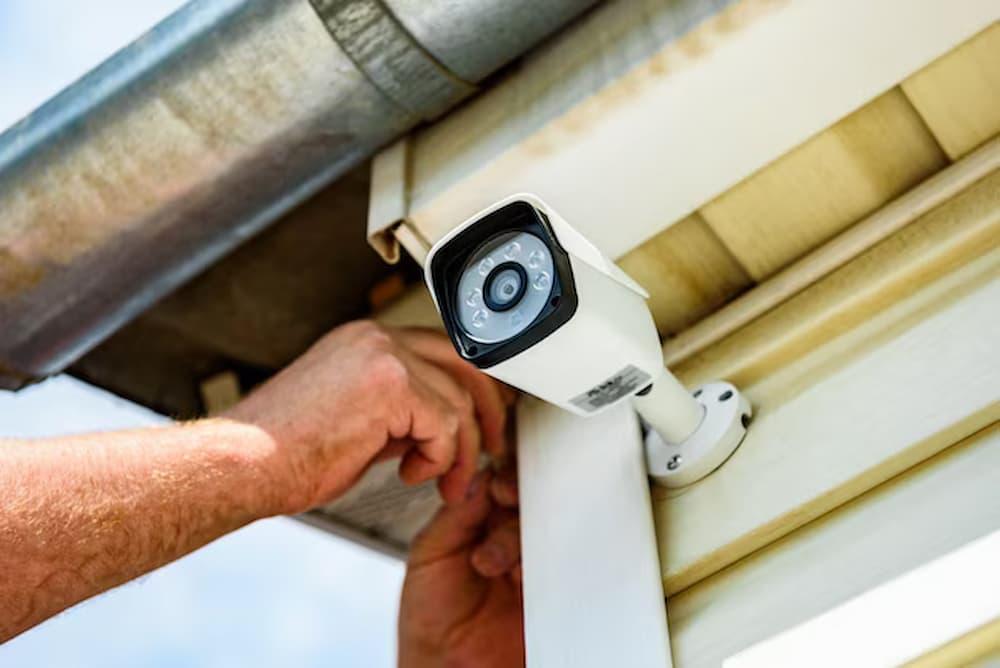
Protecting residential and commercial properties requires a structured approach that considers potential risks, vulnerable access points, and everyday security needs. Modern surveillance technology helps property owners monitor important locations, review recorded activity, and improve awareness of their surroundings. Surveillance camera installation plays an important role in creating a reliable monitoring arrangement when the equipment is selected and positioned according to the property's layout. Effective planning can reduce blind spots, improve image quality, and support faster incident reviews. A carefully designed system also helps property owners make sensible equipment choices without unnecessary expenditure.
Identifying the Main Security Objectives
Every property has different security requirements, so planning should begin by identifying the problems the system needs to address. A homeowner may want to monitor entrances, driveways, gardens, and garages, while a business may need coverage across reception areas, stockrooms, loading bays, and employee entrances. Understanding these priorities helps determine the number of cameras, their viewing angles, and the features required. Property owners should also consider whether they need live monitoring, recorded footage, motion alerts, or remote access. Clear objectives provide a practical foundation for selecting equipment that supports genuine security needs.
Assessing Potential Security Risks
A property assessment can reveal locations where theft, vandalism, trespassing, or unauthorised access may occur. Areas with limited lighting, hidden entrances, expensive equipment, or restricted visibility may require additional attention. The assessment should consider how people and vehicles move through the premises and whether existing locks, alarms, and lighting provide adequate protection. Seasonal changes and future building modifications can also affect coverage. By understanding these risks before installation, property owners can prioritise important locations and develop a monitoring arrangement that complements existing security measures instead of relying on cameras alone.
Evaluating the Property Layout
Mapping Entrances and Access Points
Entrances and exits are often among the most important locations for surveillance coverage. Main doors, rear entrances, gates, delivery points, and emergency exits can provide useful information about movement around a property. Cameras should be positioned to capture relevant activity without being obstructed by doors, signs, or nearby structures. The required viewing angle depends on whether the objective is to observe general movement or capture clearer details of individuals entering the premises. Careful placement can improve visibility and help reduce gaps that might otherwise make recorded footage less useful during an incident review.
Identifying Blind Spots and Obstructions
Blind spots can reduce the effectiveness of an otherwise well designed surveillance system. Walls, pillars, trees, parked vehicles, shelving, and other structures may block a camera's view or create areas where activity cannot be recorded clearly. A property layout assessment should identify these obstacles and determine whether cameras need repositioning or additional coverage. Overlapping viewing areas can sometimes improve monitoring around important entrances and corridors. However, simply adding more cameras does not automatically produce better results. The goal is to achieve purposeful coverage with suitable viewing angles, appropriate image quality, and minimal unnecessary duplication.
Selecting Suitable Surveillance Cameras
Choosing Cameras According to Their Purpose
Different camera types serve different monitoring requirements. Fixed cameras are useful when a particular entrance, corridor, or storage area needs consistent coverage. Models with wider viewing angles can monitor larger spaces, while adjustable cameras may be suitable for locations requiring flexible observation. Some systems include features designed to improve low light performance or provide clearer images at greater distances. Property owners should evaluate the area being monitored, expected lighting conditions, and the level of detail required before choosing equipment. Matching camera capabilities to specific tasks can improve performance and help avoid spending money on features that provide little practical benefit.
Understanding Image Resolution and Night Vision
Image resolution affects the amount of detail a camera can capture, but it is not the only factor determining recording quality. Lens performance, lighting, viewing distance, camera angle, and recording settings also influence the final image. Night vision can be particularly important for entrances, driveways, warehouses, and outdoor areas that receive limited illumination. Infrared features may help record activity in darkness, while additional lighting can sometimes improve image clarity. Property owners should test camera views under both daytime and nighttime conditions. This approach helps confirm whether the chosen equipment can provide useful footage when security concerns are most likely to arise.
Planning Indoor and Outdoor Coverage
Monitoring Internal Areas Effectively
Indoor surveillance may be useful in reception areas, hallways, stockrooms, shared entrances, and selected operational spaces. Camera placement should provide a clear view of relevant activity while avoiding unnecessary monitoring of private areas. Businesses should consider the movement of employees, customers, and visitors when deciding where equipment belongs. Residential installations may focus on entryways or shared access spaces rather than private rooms. The intended purpose should guide every placement decision. A carefully planned indoor arrangement can improve visibility across important locations while maintaining reasonable privacy expectations and meeting applicable legal responsibilities.
Protecting Outdoor Spaces and Boundaries
Outdoor surveillance requires equipment that can withstand local weather conditions and changing environmental factors. Rain, dust, sunlight, temperature fluctuations, and wind may affect performance if cameras are not suitable for their surroundings. Property owners should consider coverage around gates, driveways, gardens, car parks, delivery areas, and perimeter boundaries. Camera mounts must remain stable, and lenses should be positioned to minimise glare and obstruction. Lighting conditions should also be assessed because darkness can reduce image detail. Regular outdoor inspections help identify problems caused by dirt, vegetation growth, damaged fittings, or changes in the surrounding property layout.
Deciding Between Wired and Wireless Systems
Considering Wired Camera Installations
Wired surveillance systems may suit properties where stable connections, permanent equipment locations, and centralised recording are priorities. Depending on the design, cameras may use separate power and video cables or network cables that carry both data and power. Cable routes need careful planning to protect connections and maintain a tidy installation. Large buildings may require additional networking equipment or structured cabling to support the planned camera arrangement. Although wired systems can involve more installation work, they may offer a suitable long term solution for properties with established infrastructure and consistent monitoring requirements.
Understanding Wireless Installation Requirements
Wireless cameras can provide greater flexibility when running cables is difficult or when a property requires a less intrusive installation. Their performance depends on network coverage, signal strength, power availability, and the distance between equipment and access points. Some models rely on batteries, which introduces additional maintenance requirements, while others need a continuous power source. Wireless equipment should be tested in its intended location because walls, metal structures, and interference may affect connectivity. Property owners should also confirm how footage will be recorded if the internet connection becomes unavailable, as remote access and local recording are separate system functions.
Planning Recording and Storage Requirements
Selecting an Appropriate Recording Method
A surveillance system needs a suitable method for storing footage so that recordings remain available when required. Some installations use a network video recorder, while others rely on digital recording equipment, supported memory cards, or secure cloud storage. The appropriate method depends on camera compatibility, the number of recording devices, image quality, recording schedules, and retention requirements. Property owners should consider whether continuous recording or event based recording is more suitable for each location. They should also confirm that the chosen system makes it straightforward for authorised users to retrieve relevant footage without disrupting normal monitoring.
Estimating Storage Capacity
Storage requirements depend on the number of cameras, video resolution, frame rate, compression settings, recording duration, and retention period. Continuous recording generally requires more storage than recording triggered by selected events. A system that appears adequate during initial installation may become insufficient if additional cameras are added or recording settings change. Planning for future needs can help prevent premature storage limitations. Property owners should also test recording playback and verify that important footage can be retrieved successfully. Regular checks of available capacity and recording status help maintain confidence that the system is capturing and retaining the information it is intended to collect.
Considering Remote Monitoring and Smart Features
Using Remote Viewing Tools
Remote viewing allows authorised users to check supported camera feeds through compatible smartphones, tablets, or computers. This can be useful for homeowners away from their properties and managers responsible for multiple commercial sites. Depending on the system, users may view live footage, review stored recordings, or receive alerts when motion is detected. Reliable network connectivity and secure account settings are important for these functions. Strong passwords, updated software, and carefully managed user permissions help reduce the risk of unauthorised access. Property owners should also understand the system's local recording capabilities so that monitoring remains useful during internet interruptions.
Configuring Motion Detection and Alerts
Motion detection can help identify activity in areas that require additional attention. Detection zones may allow users to focus on entrances, restricted areas, or vehicle spaces while reducing notifications from less important parts of the scene. However, changing shadows, passing animals, weather conditions, and moving vegetation can generate unwanted alerts. Sensitivity settings should therefore be adjusted and tested under different conditions. Property owners should establish a sensible process for reviewing notifications and responding when necessary. Motion alerts are most useful when they support a broader security plan rather than being treated as automatic proof that an incident has occurred.
Protecting Privacy and Meeting Legal Responsibilities
Positioning Cameras Responsibly
Surveillance should be designed to monitor legitimate security areas without unnecessarily intruding on other people's privacy. Cameras should avoid recording neighbouring windows, private gardens, or spaces where monitoring is not justified. In commercial environments, property managers should consider employees, customers, contractors, and visitors when deciding where equipment should be installed. Appropriate signage and clear communication may be required depending on the location and circumstances. Property owners should understand relevant data protection and privacy obligations before recording begins. Responsible positioning can support security objectives while reducing the likelihood of complaints or inappropriate collection of personal information.
Managing Recorded Footage Securely
Recorded video may contain identifiable information, so access and retention need careful management. Strong account credentials, secure network configurations, software updates, and restricted user permissions can help protect recordings. Property owners should establish how long footage will be retained and who may review or share it, subject to applicable legal requirements. Unnecessary recordings should not be kept indefinitely. Businesses should also have a clear process for preserving relevant footage when an incident requires investigation. These practices help ensure that surveillance equipment serves its intended purpose while protecting the information collected about residents, employees, visitors, and other individuals.
Maintaining the System After Installation
Testing Equipment and Recording Functions
Once installation is complete, each camera should be tested to confirm that it covers the intended area and produces usable footage. Checks should include daytime and nighttime image quality, recording playback, timestamp accuracy, network connectivity, and remote viewing where applicable. Installers should verify that the recording system operates correctly and that authorised users understand how to access important features. Testing should also identify any obstructions, glare, or areas with insufficient illumination. A proper handover gives property owners a clearer understanding of the system and helps ensure that technical issues are identified before they create significant monitoring gaps.
Scheduling Regular Maintenance
Surveillance systems require ongoing maintenance to remain dependable. Dust, moisture, loose fittings, damaged cables, outdated software, and changes in surrounding vegetation can gradually affect performance. Periodic inspections should confirm that cameras remain secure, lenses are clean, recordings are accessible, and storage capacity remains adequate. Outdoor equipment may need more frequent attention because it is exposed to weather and environmental debris. Any faults should be addressed promptly to minimise interruptions. A documented maintenance schedule can help property owners track inspections, repairs, and upgrades while keeping the surveillance arrangement aligned with changing security requirements.
Conclusion
Effective surveillance planning involves understanding security risks, assessing the property layout, selecting appropriate equipment, and ensuring that every camera serves a clear purpose. Recording capacity, network reliability, privacy responsibilities, and regular maintenance are equally important for achieving dependable long term performance. Property owners who evaluate these factors before installation can reduce coverage gaps and make more informed equipment decisions. Professional planning and testing can further improve the system's reliability and usability. With a suitable design and ongoing support, CCTV can help homeowners and businesses create a more organised approach to protecting people, premises, and valuable assets.

 Arabic
 French
 Spanish
 Portuguese
 Deutsch
 Turkish
 Dutch
 Italiano
 Russian
 Romaian
 Portuguese (Brazil)
 Greek