


Enough Protein for Hair
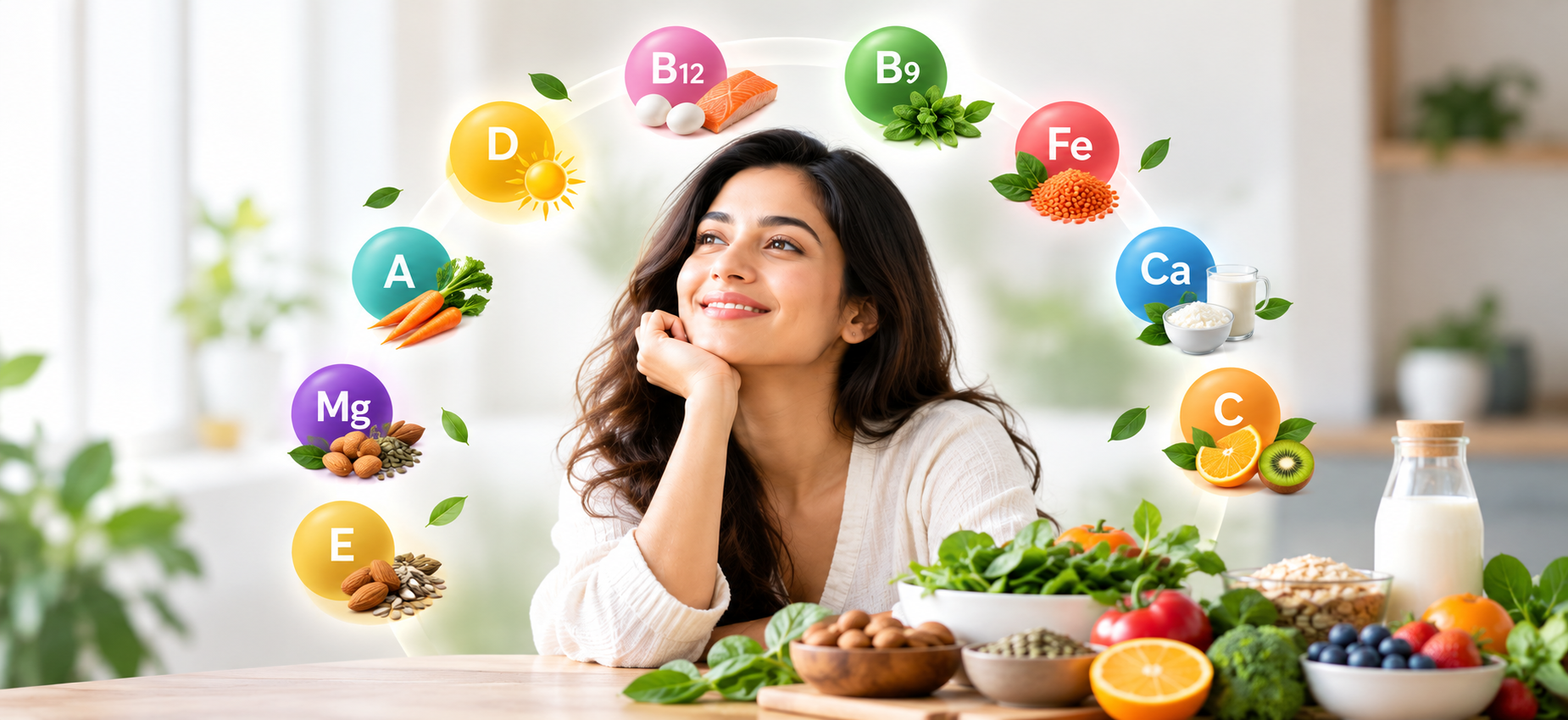
Healthy-looking hair is often associated with shampoos, oils, and conditioning treatments. However, what happens inside your body is just as important as the products you apply externally. Hair follicles need adequate nutrition to maintain their normal growth cycle, and protein is one of the essential nutrients involved in this process.
If you notice increased shedding, fragile strands, or changes in hair thickness, your diet may be worth reviewing. But does eating more protein actually improve hair health? Understanding the connection between protein intake and hair growth can help you make better nutritional decisions.
Why is Protein Important for Healthy Hair?
Hair is primarily made of keratin, a structural protein that provides strength and contributes to the structure of individual hair strands.
Your body breaks down dietary protein into amino acids, which are used to produce and maintain proteins throughout the body, including those involved in hair formation.
Hair follicles are metabolically active structures that require a consistent supply of nutrients. When overall food intake or protein consumption becomes severely inadequate, normal hair growth may be affected.
However, eating additional protein beyond your nutritional requirements does not necessarily make hair grow faster or thicker.
Can Protein Deficiency Cause Hair Loss?
Yes, inadequate protein intake can contribute to hair shedding, particularly when it occurs alongside insufficient calorie intake or other nutritional deficiencies.
The American Academy of Dermatology identifies inadequate protein intake as one possible nutritional cause of noticeable hair loss.
When the body experiences significant nutritional stress, more hair follicles may enter the resting phase, potentially resulting in increased shedding several months later.
Nevertheless, hair loss has many possible causes, including genetics, thyroid disorders, hormonal changes, illness, medications, and scalp conditions.
Protein deficiency should therefore be considered as one possibility rather than assumed to be the cause.
5 Possible Signs You May Not Be Getting Enough Protein
1. Increased Hair Shedding
Persistent inadequate protein intake may affect the normal hair growth cycle. However, shedding alone cannot confirm a protein deficiency.
2. Fragile or Easily Broken Hair
Hair breakage may occur alongside poor nutrition, but heat styling, chemical treatments, and physical damage are also common causes.
3. Reduced Muscle Mass
Protein is essential for maintaining muscle tissue. Inadequate intake over time, particularly with insufficient calories, may contribute to muscle loss.
4. Slow Recovery From Physical Activity
Protein supports tissue repair and adaptation after exercise. Poor overall nutrition may interfere with normal recovery.
5. Persistent Weakness
Severe protein-energy malnutrition can cause weakness and other systemic symptoms. Mild tiredness, however, is not a reliable indicator of protein deficiency.
If several symptoms occur together, professional nutritional assessment may be appropriate.
How Much Protein Do You Need Every Day?
Protein requirements depend on body weight, age, activity level, pregnancy status, and health conditions.
For generally healthy adults, the commonly used Recommended Dietary Allowance is approximately 0.8 grams of protein per kilogram of body weight daily.
For example, an adult weighing 60 kg would have a baseline requirement of approximately 48 grams per day.
Some physically active individuals, older adults, and people with particular medical or nutritional needs may require different amounts.
There is no established additional daily protein requirement specifically for faster hair growth. The goal is to meet overall nutritional needs consistently.
Best Protein-Rich Foods for Healthy Hair
A balanced diet can provide protein alongside vitamins, minerals, and other nutrients important for normal hair function.
Eggs and Dairy Products
Eggs provide complete protein containing all essential amino acids. Milk, yoghurt, and paneer can also contribute meaningful amounts of dietary protein.
Lentils and Legumes
Dal, chickpeas, kidney beans, and other pulses are useful plant-based protein sources. They also supply fibre and various micronutrients.
Soy Foods
Tofu, soybeans, and other soy products provide high-quality plant protein and can be particularly useful in vegetarian diets.
Nuts and Seeds
Almonds, peanuts, pumpkin seeds, and sunflower seeds contribute protein, healthy fats, and minerals.
Fish and Lean Meat
Fish, chicken, and other lean animal protein sources provide essential amino acids. Fatty fish also supplies omega-3 fatty acids.
Combining different protein sources throughout the day can help support dietary adequacy.
Other Essential Nutrients That Support Hair Health
Protein is important, but normal hair growth also depends on sufficient overall nutrition.
Iron contributes to oxygen transport, zinc participates in cell growth, and vitamin B12 supports normal red blood cell formation.
Deficiencies involving certain nutrients may contribute to hair problems, although taking additional amounts when levels are already adequate does not guarantee improved hair growth.
For women reviewing their nutritional requirements, choosing a multivitamin for women may be worth discussing with a healthcare professional when dietary gaps are identified.
A multivitamin may help address particular nutritional gaps, but it cannot replace adequate protein intake.
Do You Need Supplements for Hair Growth?
Not everyone experiencing hair loss needs supplements.
If your diet already provides sufficient protein and essential micronutrients, adding extra vitamins or protein may offer little benefit for hair growth.
The American Academy of Dermatology also cautions that excessive intake of certain nutrients can contribute to hair loss.
Before selecting a multivitamin, it is useful to understand whether supplementation is necessary and what benefits the available evidence actually supports.
Persistent or unexplained hair loss should be evaluated by a dermatologist, who can assess possible nutritional and non-nutritional causes.
Simple Daily Habits for Healthier Hair
Supporting hair health involves consistent nutrition and appropriate hair care.
-
Include a protein source in your main meals.
-
Eat a varied diet containing vegetables, fruits, and whole grains.
-
Avoid extreme dieting and prolonged calorie restriction.
-
Handle fragile hair gently and minimise excessive heat styling.
-
Seek professional advice for sudden or persistent hair loss.
At Vaidya, we encourage balanced nutritional choices rather than relying on unnecessary supplements or unrealistic hair-growth promises.
Final Thoughts
Protein is essential for normal hair structure and growth, but more protein does not automatically mean thicker or faster-growing hair.
Meeting your nutritional requirements, maintaining a varied diet, and identifying the actual cause of hair loss are more useful than following supplement trends.
Healthy hair begins with adequate nutrition, consistent care, and informed choices.
 Greek
 English
 Arabic
 French
 Spanish
 Portuguese
 Deutsch
 Turkish
 Dutch
 Italiano
 Russian
 Romaian
 Portuguese (Brazil)