


Oral Cancer Screening for Detecting Early Signs and Protecting Your Health
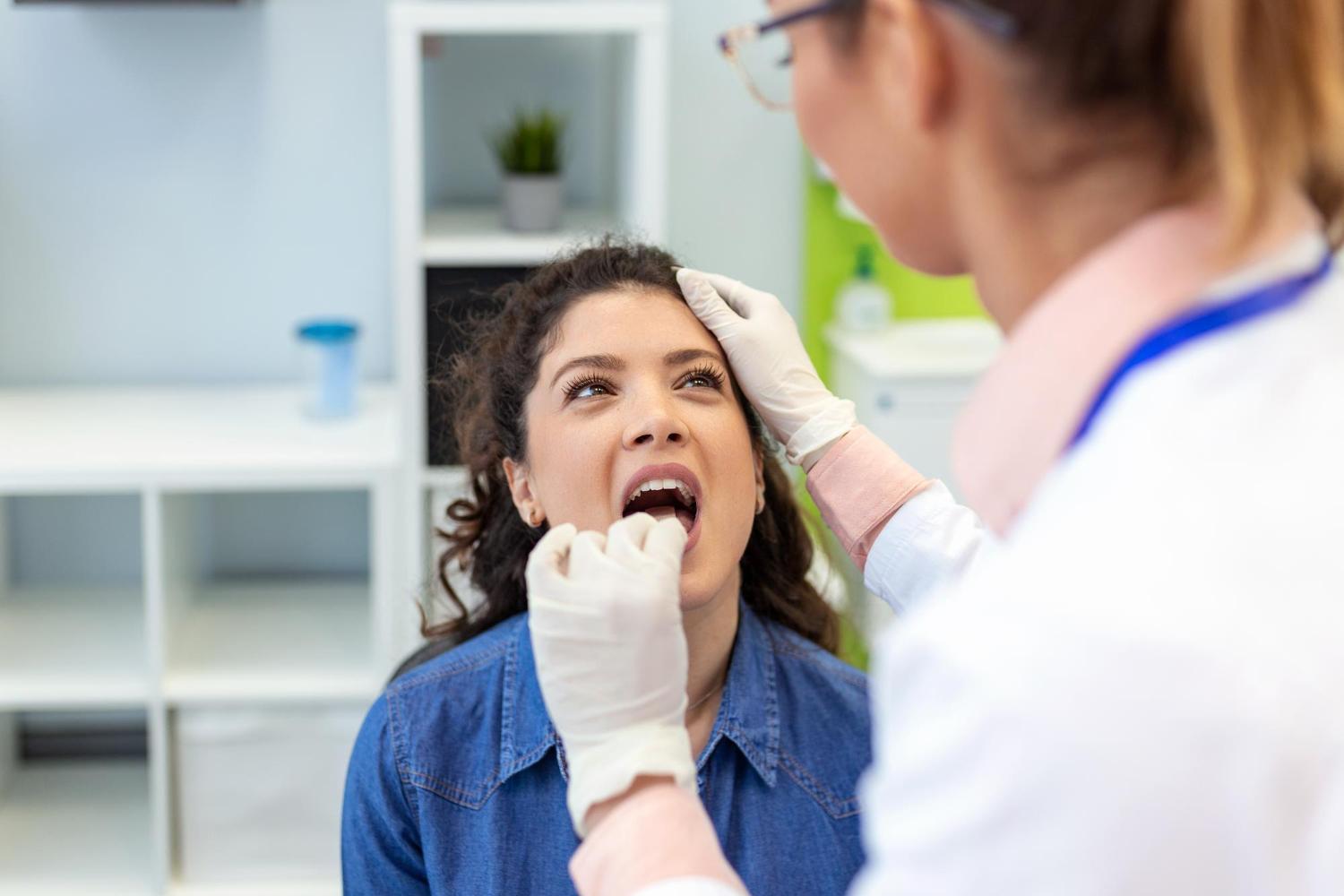
Maintaining good oral health involves more than brushing, flossing, and attending routine dental cleanings. Regular examinations can also help identify unusual changes in the mouth that may require further medical attention. Oral cancer can affect the lips, tongue, cheeks, gums, floor of the mouth, and other areas of the oral cavity. Because early symptoms may be subtle or painless, understanding the importance of oral cancer screening can help individuals recognize potential warning signs and seek professional evaluation promptly. Awareness, timely assessment, and appropriate follow up care are valuable steps toward protecting long term oral health.
Understanding Oral Cancer Screening
What Is Oral Cancer Screening?
Oral cancer screening is an examination performed to look for unusual changes in the mouth and surrounding tissues that could indicate cancer or a precancerous condition. During a routine dental visit, a dental professional may inspect the lips, gums, tongue, inner cheeks, roof of the mouth, and floor of the mouth. The examination may also include gently feeling the tissues of the mouth and neck for unusual lumps or swelling. Screening can identify areas that require closer assessment, but it cannot confirm cancer by itself. Any suspicious finding may need additional diagnostic tests or referral to an appropriate specialist.
Why Early Detection Matters
Identifying a potentially serious oral condition early can allow further investigation and treatment to begin sooner. Some oral cancers initially appear as small patches, sores, lumps, or changes in tissue that may not cause noticeable discomfort. Because these changes can resemble common mouth problems, individuals may overlook them or assume they will disappear naturally. Professional assessment helps determine whether an unusual area requires monitoring, testing, or specialist evaluation. Although screening cannot prevent every case or guarantee an early diagnosis, it provides an opportunity to identify concerning changes and establish the next appropriate steps in care.
Common Areas Examined During Screening
Lips and Inner Cheeks
The lips and inner cheeks are examined for unusual patches, persistent sores, thickened areas, or changes in color and texture. These tissues can be affected by irritation, infection, injury, and other conditions, so not every abnormality indicates cancer. However, changes that persist, enlarge, bleed unexpectedly, or fail to heal should be assessed by a dental or medical professional. Individuals should also pay attention to sores that repeatedly develop in the same area without an obvious cause. A careful examination helps determine whether the tissue appears normal or whether additional investigation is appropriate.
Tongue and Floor of the Mouth
The tongue and floor of the mouth are important areas during an oral examination because abnormal tissue changes may develop in locations that are difficult to inspect independently. A dental professional may ask the patient to move the tongue so that its sides, underside, and surrounding tissues can be examined. Persistent red or white patches, unexplained lumps, restricted tongue movement, or sores that do not heal deserve attention. These symptoms can have several causes, and visual appearance alone cannot establish a diagnosis. A professional evaluation helps identify changes that require further testing and reduces the risk of overlooking a potentially significant problem.
Gums, Roof of the Mouth, and Throat Area
The gums and roof of the mouth are also checked for unusual growths, persistent sores, discoloration, or changes in tissue structure. Depending on the examination, the dental professional may look toward the back of the mouth and assess accessible areas near the throat. The neck may also be checked for enlarged or firm lymph nodes. These findings do not automatically mean that cancer is present, because infections and other conditions can produce similar changes. However, unexplained abnormalities should be evaluated carefully. Patients should mention any persistent discomfort, difficulty swallowing, or unusual swelling noticed between dental appointments.
Warning Signs That Should Not Be Ignored
Persistent Mouth Sores
A mouth sore that does not heal within approximately two weeks should be evaluated by a qualified professional, particularly when there is no clear explanation for its persistence. Ordinary ulcers often improve within a relatively short period, while a lasting sore may require closer examination. Warning signs include repeated bleeding, increasing size, a firm edge, or a change in the surrounding tissue. Pain is not always present, so the absence of discomfort should not be used to dismiss an unusual area. Seeking advice early helps determine whether the problem is a routine condition or requires additional investigation.
Red or White Patches
Red or white patches inside the mouth may develop because of irritation, inflammation, infection, or other conditions. Some persistent patches can be associated with precancerous changes, making professional evaluation important when they cannot be explained or do not resolve. Individuals should avoid trying to diagnose these patches based on appearance alone. A dental professional can examine the area, review possible causes, and decide whether monitoring, treatment, or a biopsy is necessary. Any patch that persists, changes in size, becomes thicker, or develops alongside other symptoms should receive timely attention to ensure that significant conditions are not overlooked.
Lumps, Numbness, and Difficulty Swallowing
An unexplained lump in the mouth or neck, persistent numbness, or difficulty swallowing may require prompt medical or dental assessment. Other concerning symptoms include ongoing hoarseness, unexplained bleeding, persistent ear pain, or a feeling that something remains stuck in the throat. These symptoms can result from several medical conditions, and they do not necessarily indicate oral cancer. Nevertheless, symptoms that persist or worsen should not be ignored. A healthcare professional can assess the findings and determine whether further testing or specialist referral is appropriate. Difficulty breathing or rapidly increasing swelling requires emergency medical attention rather than waiting for a routine appointment.
Risk Factors Associated With Oral Cancer
Tobacco Use
Tobacco use is an important risk factor for oral cancer. Smoking cigarettes, using smokeless tobacco, and exposing oral tissues to other tobacco products can increase the likelihood of developing harmful tissue changes. Risk generally increases with greater exposure, although oral cancer can also occur in people who have never used tobacco. Avoiding tobacco and seeking support to stop using it can improve overall health and reduce several serious disease risks. Dental appointments also provide opportunities to discuss tobacco cessation and examine the oral tissues for concerning changes. Patients should share their tobacco history honestly so that professionals can provide appropriate preventive guidance.
Alcohol Consumption
Alcohol consumption is another recognized risk factor for cancers of the mouth and related areas, particularly when combined with tobacco use. The level of risk varies according to exposure and individual circumstances. Reducing alcohol consumption or avoiding it can help lower certain health risks, although no single lifestyle change eliminates every possibility of developing cancer. During dental consultations, patients can ask about factors that influence their personal risk and discuss practical steps to support better health. Understanding the relationship between alcohol, tobacco, and oral disease can encourage more informed choices and reinforce the importance of reporting unusual changes promptly.
Human Papillomavirus and Other Factors
Certain types of human papillomavirus are associated with cancers in the oropharynx, which includes parts of the throat and the back of the tongue. Other factors, including increasing age, previous exposure to oral cancer risk factors, and some medical or environmental circumstances, may also influence risk. However, oral cancer can occur in individuals without obvious risk factors. This is one reason that persistent symptoms deserve attention regardless of a person's background. Healthcare professionals can discuss relevant risk factors, recommended preventive measures, and whether vaccination against human papillomavirus is appropriate according to age and local medical guidance.
What Happens During an Oral Cancer Screening?
Reviewing Medical History and Symptoms
A screening appointment may begin with questions about medical history, tobacco and alcohol use, previous oral conditions, and any symptoms the patient has noticed. The dental professional may ask how long a sore or patch has been present and whether it has changed over time. Patients should mention unexplained pain, bleeding, numbness, swallowing difficulties, or lumps in the neck. Providing accurate information helps the professional understand the context of the examination and identify areas that need closer attention. This conversation also offers an opportunity to discuss risk reduction, preventive care, and the importance of monitoring changes between routine visits.
Visual and Physical Examination
During the examination, the professional inspects the visible tissues of the mouth and may use a gloved hand to feel areas such as the tongue, floor of the mouth, and neck. The purpose is to identify unusual patches, sores, thickening, swelling, or lumps that may require further assessment. The examination is generally straightforward and does not usually cause significant discomfort. Additional devices or special lights may be used in some settings, but these methods do not replace appropriate diagnostic evaluation. A normal screening result does not rule out every abnormality, so patients should continue reporting persistent symptoms even after a recent examination.
Additional Tests and Specialist Referral
If an unusual area is identified, the dental professional may recommend a follow up examination, additional diagnostic assessment, or referral to a specialist. A biopsy, which involves taking a small tissue sample for laboratory examination, may be required to determine whether abnormal cells or cancer are present. Imaging or other investigations may be considered depending on the clinical findings. Not every suspicious area requires the same tests, and the next steps depend on the location, appearance, and persistence of the abnormality. Patients should follow the recommended plan and ask questions if they are uncertain about the purpose of a test or referral.
How Often Should Screening Be Considered?
Routine Dental Visits
Oral cancer checks may be included as part of routine dental examinations, depending on the provider's approach and the patient's needs. The appropriate frequency of visits varies according to oral health, medical history, and individual risk factors. Patients should ask their dentist whether an oral cancer examination is included and whether additional assessment is advisable. Regular appointments can help identify changes that develop gradually and provide opportunities to discuss symptoms that might otherwise be overlooked. However, individuals should not wait for their next scheduled cleaning if they notice a persistent sore, unusual patch, lump, or other concerning change in the mouth.
Screening for Individuals With Higher Risk
People with a history of tobacco use, substantial alcohol exposure, previous suspicious oral lesions, or other relevant risk factors may benefit from discussing an individualized examination schedule with their healthcare professional. The recommendations depend on the person's history and current symptoms. It is important to understand that routine screening of every asymptomatic person has limitations, and there is no single schedule that suits everyone. A professional can explain the benefits and limitations of examination and whether additional follow up is appropriate. Regardless of risk level, persistent or unexplained symptoms should be assessed promptly rather than managed through observation alone.
Practical Ways to Support Oral Health
Maintain Daily Oral Hygiene
Brushing twice daily with fluoride toothpaste and cleaning between teeth help maintain healthy teeth and gums. Regular oral hygiene can reduce plaque accumulation, prevent many common dental problems, and make it easier to notice unusual changes in the mouth. Individuals should inspect their lips, tongue, gums, and inner cheeks occasionally while brushing, without assuming that self examination can replace professional care. Persistent sores, patches, lumps, or changes in sensation should be reported to a healthcare professional. Keeping routine dental appointments and following personalized advice provides a practical foundation for protecting oral health and identifying concerns that require further attention.
Reduce Avoidable Health Risks
Avoiding tobacco, limiting alcohol exposure, following a balanced diet, and discussing human papillomavirus vaccination with an appropriate healthcare professional can support broader preventive health goals. People who currently use tobacco may benefit from structured cessation support, counseling, or other evidence based resources. Patients should also report relevant symptoms rather than waiting for discomfort to become severe. These steps cannot guarantee that oral cancer will never develop, but they can help reduce certain risk factors and encourage timely assessment. Combining healthier daily choices with professional dental care supports a more informed approach to oral health and general well being.
Choosing a Dental Provider in Riverpark
Look for Thorough Examinations and Clear Communication
When selecting a dental provider, patients should consider professional qualifications, examination practices, communication, and the availability of appropriate follow up care. A suitable professional explains what an examination involves and discusses any unusual findings without creating unnecessary alarm. If a suspicious area requires further investigation, the patient should receive clear information about the recommended next steps and any referral that may be necessary. Patients should feel comfortable describing symptoms and asking questions about risk factors. A careful, respectful approach helps individuals understand their oral health and encourages them to seek assessment whenever a concerning change develops.
Prioritize Follow Up and Preventive Guidance
A reliable dental care experience includes more than identifying a possible problem during an examination. Patients also need understandable guidance about monitoring symptoms, attending follow up appointments, and obtaining additional tests when required. If a referral is recommended, the dental professional should explain its purpose and the importance of completing the assessment. Preventive discussions can also address tobacco cessation, oral hygiene, and other relevant risk factors. Choosing a provider who communicates clearly and emphasizes appropriate follow up helps patients navigate concerns more confidently. These qualities are valuable for routine dental care and for addressing unusual oral changes that deserve further investigation.
Conclusion
Oral cancer screening is a valuable part of oral health awareness because it can help identify unusual tissue changes that require professional assessment. Persistent mouth sores, unexplained red or white patches, lumps, numbness, and difficulty swallowing should never be ignored. Although screening cannot confirm a diagnosis or guarantee that cancer will be detected early, timely evaluation and appropriate follow up can help patients obtain necessary care. Maintaining oral hygiene, reducing avoidable risk factors, and attending regular dental examinations are important preventive steps. Individuals seeking dental care in the area can consider Clove Dental Riverpark as a starting point for discussing oral examinations, understanding screening options, and learning when unusual symptoms may require further evaluation.
 Greek
 English
 Arabic
 French
 Spanish
 Portuguese
 Deutsch
 Turkish
 Dutch
 Italiano
 Russian
 Romaian
 Portuguese (Brazil)