


Large Solar Inverters Bring Thermal Planning Into Focus
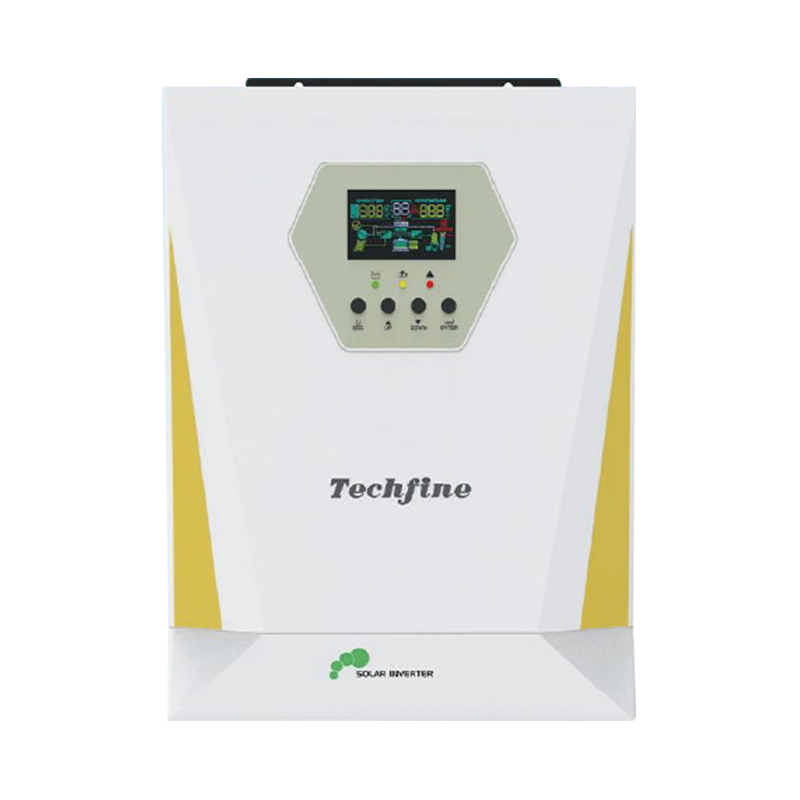
As photovoltaic systems grow in scale, the inverter becomes an important part of the overall electrical layout. Commercial buildings, industrial facilities, and large solar installations may require equipment with substantial conversion capacity, but the surrounding installation conditions can vary widely. Large Solar Inverters must therefore be considered in relation to the PV array, power distribution arrangement, and physical environment in which they will operate.
One of the first considerations is the relationship between DC input and AC output. The PV array's voltage and current characteristics need to fall within the inverter's specified operating range, while the AC side must match the project's voltage, frequency, and connection requirements. When several units are installed together, their cabinet dimensions, cable routes, and terminal positions can also influence the layout of the electrical room or outdoor equipment area.
Heat dissipation is another practical concern. Power conversion produces heat, making cooling components, ventilation paths, internal spacing, and temperature monitoring relevant to equipment design. Installation conditions can change the demands placed on the cooling arrangement. High ambient temperatures, dust exposure, restricted airflow, and limited clearance may all need to be considered when planning the site. Buyers should confirm the environmental limits and installation instructions for the specific model rather than assume that every inverter can operate under identical conditions.
Mechanical access is closely connected to maintenance. Large cabinets need adequate space for cable connections, inspection, and replacement of serviceable components. Before shipment, project teams should check cabinet dimensions against doorways, transport routes, equipment foundations, and the available working area. These details can prevent avoidable difficulties when the equipment reaches the site.
For manufacturers, consistent assembly helps ensure that each unit follows its approved configuration. Component placement, wiring routes, terminal identification, fasteners, labels, and enclosure condition can be checked during production. Depending on the model, electrical and functional tests may also verify selected operating parameters and protection functions. When a batch contains multiple ratings or cabinet versions, clear model labels and production records help distinguish the different configurations.
An order for Large Solar Inverters should also define the required communication interfaces, monitoring functions, accessories, and documentation. Approved specifications and drawings provide a common reference for purchasing, engineering, assembly, and inspection. This is especially useful for international projects where equipment may be transported over long distances before installation.
The most useful specification is one that connects electrical performance with the real installation environment. Considering cooling, cabinet access, connections, and inspection requirements alongside rated capacity gives project teams a more complete basis for equipment planni
 Portuguese (Brazil)
 English
 Arabic
 French
 Spanish
 Portuguese
 Deutsch
 Turkish
 Dutch
 Italiano
 Russian
 Romaian
 Greek