


Custom Mouth Guard for Personalized Protection During Sports Activities
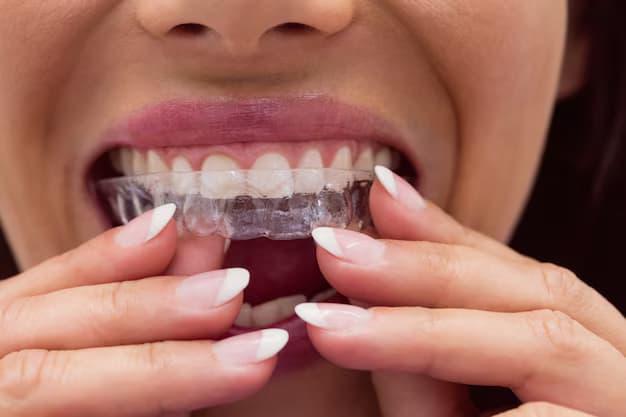
Participating in sports offers numerous benefits, including improved fitness, coordination, confidence, and overall well-being. However, physical activities such as football, basketball, hockey, boxing, and martial arts can expose teeth and soft tissues to accidental impacts. Even recreational sports may involve collisions, falls, or unexpected contact that can damage a smile. Taking preventive measures before stepping onto the field or into the gym helps reduce the risk of avoidable injuries. A custom mouth guard provides personalized protection by fitting the shape of an individual's teeth and gums. Understanding its benefits, available options, and proper maintenance helps athletes make informed decisions about protecting their oral health.
Understanding the Purpose of a Custom Mouth Guard
What Is a Custom Mouth Guard?
A custom mouth guard is a protective dental appliance created to fit an individual's mouth using dental impressions or digital scans. Unlike generic options available in stores, it is designed around the person's unique tooth arrangement, bite, and oral structures. This personalized fit can help the appliance remain securely in place during sports activities while allowing comfortable breathing and communication. Custom mouth guards are commonly recommended for contact and collision sports where facial impacts are possible. The dentist considers the athlete's age, dental condition, and sporting requirements when developing an appropriate appliance, ensuring that protection and comfort are addressed together.
How Mouth Guards Protect Teeth
During sports, an accidental blow to the face can cause chipped teeth, fractures, displaced teeth, or injuries to the lips and cheeks. A mouth guard creates a cushioning layer between the teeth and surrounding soft tissues, helping absorb and distribute some impact forces. It can also reduce direct contact between the upper and lower teeth during certain impacts. Although a mouth guard cannot eliminate every dental injury, it provides an important layer of protection when used correctly. Athletes should wear the appliance during practices and competitions whenever their sport or risk level makes dental protection advisable.
Why Personalized Fit Matters
A mouth guard must remain stable in the mouth to provide reliable protection. Poorly fitting appliances may feel bulky, loosen during activity, or make breathing and speaking more difficult. Athletes may become less likely to wear uncomfortable guards consistently, reducing their practical value. A custom-fitted appliance is shaped to the individual's teeth, helping it remain in place without constant biting to hold it securely. The dentist can also adjust the fit when necessary and assess whether the appliance is suitable for the athlete's dental condition. This personalized approach can improve comfort and encourage regular use during sports activities.
Sports That Benefit From Mouth Guard Protection
Contact and Collision Sports
Sports such as boxing, rugby, hockey, martial arts, and American football involve a higher possibility of direct contact with other participants or equipment. An accidental impact may affect the teeth, jaw area, lips, or inner cheeks. A suitable mouth guard can help cushion some of these forces and reduce the likelihood of certain dental injuries. Athletes participating in these activities should follow their sport's safety requirements and seek advice about appropriate protective equipment. A dentist can help determine which mouth guard design best suits the activity, especially when the athlete has braces, dental restorations, or other individual considerations.
Basketball, Soccer, and Recreational Sports
Even sports that are not traditionally classified as full-contact activities can lead to dental injuries. Basketball players may collide while competing for the ball, while soccer players can experience accidental contact with another player's head, elbow, or foot. Skateboarding, cycling, gymnastics, and recreational activities may also involve falls that affect the face. Athletes and parents should consider the actual injury risks associated with each activity rather than assuming a mouth guard is necessary only for high-contact sports. When impacts are possible, appropriate oral protection can become a valuable part of a broader sports safety plan.
Youth Sports and Growing Athletes
Children and teenagers may benefit from mouth guards because their teeth, jaws, and facial structures continue to develop. Sports participation can expose young athletes to accidental impacts, particularly during team games and organized competitions. A custom appliance can be designed to fit the current dental structure, but growth and tooth eruption may change its fit over time. Parents should arrange periodic dental assessments to determine whether adjustments or a replacement are needed. Encouraging children to wear their mouth guards during both practice and competition helps establish protective habits early and reinforces the importance of taking dental safety seriously.
Key Benefits of a Custom Mouth Guard
Personalized Comfort and Stability
One of the main benefits of a custom mouth guard is its individualized fit. Because the appliance is created from a dental impression or digital scan, it can be shaped to follow the contours of the athlete's teeth. A suitable fit may reduce unnecessary bulk and help the guard remain in position during movement. This can make it easier to focus on the sport without repeatedly adjusting the appliance. Comfort remains important because even a protective device provides limited practical benefit if an athlete refuses to wear it. Professional fitting and follow-up checks help maintain a comfortable, stable fit.
Protection for Teeth and Soft Tissues
A mouth guard helps place a protective barrier between the teeth and the inside of the lips and cheeks. During an impact, this separation may reduce the risk of cuts caused by teeth contacting soft tissues. The appliance also cushions the teeth against some direct forces, helping reduce the likelihood of certain chips and fractures. However, the amount of protection depends on the appliance design, fit, material, and type of impact. Athletes should understand that mouth guards are one part of sports safety rather than a guarantee against injury. Helmets, face shields, and other recommended equipment remain important when appropriate.
Supporting Confidence During Physical Activity
Athletes often perform better when they can concentrate on the game rather than worrying about preventable injuries. Wearing a comfortable mouth guard may provide reassurance that an additional protective measure is in place. This can be particularly helpful for athletes who have previously experienced dental injuries or have invested in extensive dental treatment. Confidence should still be supported by proper technique, appropriate coaching, and compliance with safety rules. A mouth guard does not remove the risk of impact, but it can contribute to a more responsible approach to sports participation. Consistent use helps make oral protection a normal part of athletic preparation.
Compatibility With Certain Dental Needs
Athletes with braces, crowns, bridges, or other dental restorations may have specific requirements when choosing a mouth guard. Orthodontic appliances can create additional concerns because an impact may cause brackets or wires to injure the soft tissues. A dentist can recommend an appropriate design that accommodates the individual's dental condition and sporting needs. Athletes with braces should avoid assuming that a standard mouth guard will fit correctly over their orthodontic appliances. As treatment progresses and the teeth move, the appliance may need adjustment or replacement. Professional guidance helps ensure that oral protection remains suitable as dental needs change.
Types of Mouth Guards Available
Custom-Made Dental Mouth Guards
Custom-made mouth guards are produced by a dental professional using an impression or scan of the athlete's teeth. The appliance is fabricated from suitable materials to match the mouth's shape and the intended activity. Because the fit is individualized, it may provide greater comfort and stability than generic alternatives. The dentist can assess thickness, retention, and the need for specific modifications according to the sport and dental condition. Custom guards generally involve a higher initial cost than over-the-counter products, but athletes may value the fit and professional oversight. The best option depends on individual needs, injury risk, and available resources.
Boil-and-Bite Mouth Guards
Boil-and-bite mouth guards are commonly sold in sporting goods stores and are softened in hot water before being molded around the teeth. They can offer a more individualized fit than basic stock guards when shaped correctly. However, the final fit depends on the product, the molding process, and the user's ability to follow the instructions. Some models may feel bulky or loosen during activity. Athletes should check the manufacturer's guidance and seek dental advice if the appliance causes discomfort or does not remain securely in place. For high-risk sports or complex dental needs, a dentist may recommend a professionally made alternative.
Stock Mouth Guards
Stock mouth guards come in preformed sizes and generally require little or no adjustment. They are often inexpensive and readily available, but their fit may be less precise because they are not molded to an individual's teeth. Some athletes may need to keep their teeth together to hold the appliance in place, which can make speaking or breathing less comfortable. A loose or bulky guard may also be difficult to wear consistently. Although stock products may be accessible, athletes should consider whether the design offers an appropriate fit for their activity. Professional guidance can help identify a more suitable protective option.
The Process of Getting a Custom Mouth Guard
Initial Dental Consultation
The process usually begins with an appointment to discuss the athlete's sport, training schedule, dental history, and concerns about protection. The dentist examines the teeth, gums, bite, and existing restorations to identify factors that may affect the appliance's design. Athletes with braces, missing teeth, or recent dental work may require special consideration. This consultation also provides an opportunity to discuss comfort, expected durability, cleaning, and replacement. By understanding how the mouth guard will be used, the dental professional can recommend a suitable design and explain what the athlete should expect during fitting and follow-up appointments.
Taking Dental Impressions or Digital Scans
After determining that a custom appliance is appropriate, the dentist obtains an accurate record of the teeth. This may involve taking a traditional impression or using a digital scanner to create a three-dimensional representation of the mouth. The record allows the appliance to be fabricated according to the athlete's dental anatomy. Accurate records are particularly important for achieving secure retention without unnecessary pressure on individual teeth. The dental team may provide instructions about the next appointment and expected preparation time. The fabrication process depends on the chosen material and laboratory workflow, so the overall timeline can vary between providers.
Fitting and Making Adjustments
When the mouth guard is ready, the dentist checks how it sits over the teeth and whether it remains stable during normal mouth movements. The professional may assess comfort, retention, speech, and any areas where the appliance creates pressure. Adjustments can be made if the fit is too tight, too loose, or uncomfortable. Athletes should describe any concerns honestly rather than trying to adapt to a poorly fitting guard. Before using it in competition, the athlete should become familiar with wearing and removing the appliance. A well-fitted guard should feel secure and should not cause persistent pain or interfere unnecessarily with breathing.
How to Care for a Custom Mouth Guard
Cleaning After Every Use
A mouth guard can accumulate saliva, plaque, and bacteria during sports activities, making proper cleaning essential. After use, the appliance should generally be rinsed with cool or lukewarm water and cleaned according to the dentist's instructions and the manufacturer's recommendations. A suitable soft toothbrush may be used when recommended, but abrasive cleaners and harsh chemicals should be avoided because they can damage the material. Hot water may distort some mouth guards and affect their fit. Athletes should also clean their teeth before wearing the appliance whenever possible. Consistent hygiene helps maintain the guard's condition and reduces unpleasant odors.
Storing the Appliance Properly
When not in use, a mouth guard should be kept in a clean, ventilated protective case that allows moisture to escape. Storing it loosely in a sports bag can expose it to dirt, damage, and accidental loss. Athletes should avoid leaving the appliance in direct sunlight, inside a hot vehicle, or near heat sources that may alter its shape. The case should also be cleaned regularly to prevent residue from accumulating. Keeping the mouth guard away from pets is important because chewing can damage the material. Proper storage helps preserve the appliance and makes it easier to keep track of between training sessions.
Checking for Wear and Damage
A mouth guard should be inspected regularly for cracks, tears, sharp edges, thinning material, or changes in fit. Damage may reduce the appliance's protective function or make it uncomfortable to wear. Children and teenagers may need replacements more frequently because their teeth and jaws continue to develop. Adults may also require a new guard if dental treatment changes the tooth arrangement or if the existing appliance no longer fits securely. Athletes should not attempt major repairs with household adhesives or heat. A dentist can evaluate whether the appliance remains suitable or whether adjustment or replacement is necessary.
When Should a Mouth Guard Be Replaced?
Changes in Dental Structure
Tooth eruption, orthodontic treatment, and other dental changes can affect how a mouth guard fits. A guard that once felt comfortable may become tight, loose, or uneven as the teeth move. Children and teenagers should have the appliance assessed periodically because their mouths can change significantly during growth. Athletes receiving braces or other dental treatment should ask the dentist when a replacement may be required. Continuing to wear an ill-fitting appliance may reduce comfort and compromise its intended protective function. Regular assessments help ensure that the mouth guard remains appropriate for the athlete's current dental structure and sporting demands.
Damage From Regular Use
Repeated impacts, biting pressure, and ordinary wear can gradually affect the material of a mouth guard. Visible cracks, holes, rough edges, or permanent deformation are reasons to have the appliance assessed. A guard that no longer stays in place or causes persistent discomfort should also be checked. The replacement schedule varies depending on the material, frequency of use, sport, and individual habits. Rather than relying on a fixed timeline for every athlete, a dental professional can determine whether the existing appliance remains functional. Prompt replacement when needed helps maintain reliable protection throughout training and competition.
Choosing the Right Dental Provider
Considering Professional Experience and Communication
Athletes should choose a dental provider who can explain mouth guard options clearly and recommend a design suited to their sporting activity. The dentist should discuss the fitting process, expected costs, maintenance requirements, and signs that indicate a replacement is needed. Athletes with braces, dental restorations, or a history of oral injuries may benefit from an individualized assessment. Clear communication helps patients understand how to use the appliance properly and what its limitations are. A provider who encourages follow-up and preventive care can help athletes maintain a suitable fit as their dental condition or sporting requirements change.
Evaluating Convenience and Ongoing Support
Appointment availability and office accessibility can influence how easily athletes complete the fitting process and arrange future adjustments. Families may compare consultation options, treatment timelines, communication methods, and the availability of follow-up care. It is useful to ask whether the provider can assess damaged guards, accommodate changes in dental structure, and provide advice about sports-related dental injuries. Convenience should be balanced with appropriate clinical care and transparent pricing. Choosing a provider who understands the athlete's needs can make mouth guard maintenance easier and encourage consistent use during both practice and competition.
Conclusion
A custom mouth guard is a valuable protective appliance for athletes who want to reduce the risk of sports-related dental injuries. Its personalized fit can improve comfort, stability, and the likelihood of consistent use during physical activity. Selecting the right design, keeping it clean, storing it properly, and checking for wear are all important steps in maintaining its usefulness. Athletes should also remember that mouth guards complement rather than replace other recommended safety equipment. Individuals interested in personalized oral protection can consult Clove Dental Riverpark to discuss suitable mouth guard options, professional fitting, and ongoing care for protecting their teeth during sports activities.

 English
 Arabic
 French
 Spanish
 Portuguese
 Deutsch
 Dutch
 Italiano
 Russian
 Romaian
 Portuguese (Brazil)
 Greek