


Custom Mezzanine Footing Design for Stronger Structures and Lasting Stability
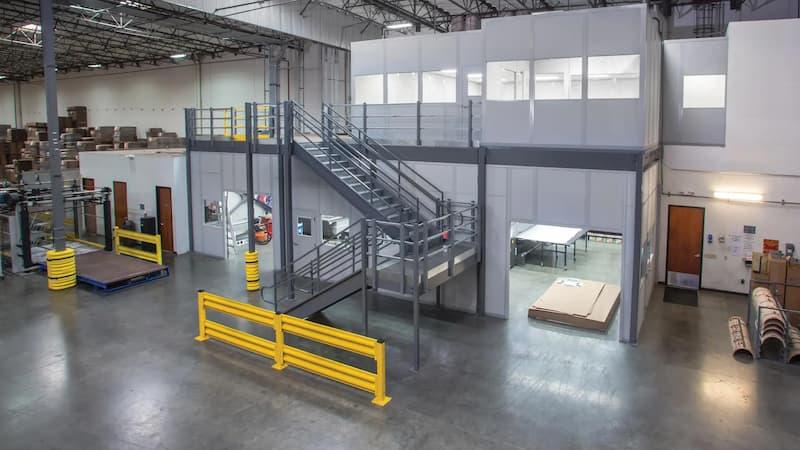
Industrial warehouses, manufacturing facilities, and commercial buildings often require additional usable space as operations grow. Mezzanine floors provide an effective solution by utilizing vertical space without requiring a complete building extension. However, the strength and reliability of these structures depend significantly on their foundations. Custom mezzanine footing design helps ensure that structural loads are transferred safely to the ground while accounting for soil conditions, building layouts, and operational requirements. A properly engineered foundation promotes long-term stability, minimizes structural risks, and enables businesses to maximize their available floor space.
Understanding the Importance of Mezzanine Footing Design
Mezzanine footings provide the foundation for elevated platforms by distributing loads from columns and transferring structural forces into the underlying soil. Their dimensions, depth, reinforcement, and configuration directly influence overall platform performance. Since facilities have different loading requirements and ground conditions, a standardized footing solution may not provide adequate support for every project. A carefully engineered design considers the relationship between the mezzanine structure, existing building foundations, and surrounding ground conditions. This approach helps establish a dependable system that accommodates operational demands while maintaining structural safety and reliability.
Distributing Structural Loads Effectively
Every mezzanine generates loads through its own weight, stored materials, equipment, personnel, and daily operational activities. These forces travel through beams and columns before reaching the supporting footings. The foundation must distribute these loads without exceeding the soil's allowable bearing capacity. Engineers evaluate permanent and variable loads when determining appropriate footing dimensions and reinforcement requirements. They also consider concentrated forces from machinery, storage systems, and other heavy installations. Effective load distribution minimizes excessive settlement, reduces foundation movement risks, and supports consistent structural performance throughout the mezzanine's intended service life.
Key Factors Influencing Custom Mezzanine Footing Design
Foundation planning involves more than determining the dimensions of concrete supports. Engineers must assess site-specific conditions, building characteristics, and the intended use of the elevated platform. These factors influence the required footing type, reinforcement quantity, and overall construction approach. Thorough evaluation during the design stage helps identify potential limitations before installation begins. Addressing these considerations early allows project teams to develop foundations that satisfy structural requirements, facilitate efficient construction, and minimize the possibility of expensive modifications after work has commenced.
Soil Conditions and Ground Bearing Capacity
Soil characteristics significantly influence the suitability of a proposed foundation. Dense, stable soil may accommodate different footing dimensions than loose, compressible, or poorly compacted ground. Engineers examine geotechnical information, bearing capacity, groundwater conditions, and potential settlement concerns before finalizing the design. Where necessary, additional investigations help determine whether the existing ground can safely support anticipated loads. Understanding these conditions allows the foundation system to reflect actual site requirements rather than assumptions, improving reliability while helping prevent uneven settlement and long-term structural instability.
Mezzanine Loads and Intended Applications
The intended application of a mezzanine directly influences its foundation requirements. A lightweight platform designed for occasional access may experience substantially different loads from a storage level supporting dense inventory or industrial equipment. Engineers evaluate occupancy, material handling activities, equipment placement, and anticipated future changes when calculating design loads. They also consider relevant dynamic forces and applicable structural requirements. This comprehensive assessment helps establish appropriate footing dimensions, reinforcement arrangements, and column support locations, ensuring that the foundation remains suitable for the platform's intended operating conditions throughout its expected service life.
Existing Building Conditions and Available Space
Installing a mezzanine inside an existing facility introduces additional design considerations because the new structure must integrate with established building systems. Existing foundations, underground utilities, drainage routes, floor slabs, and nearby columns can restrict footing placement or excavation depth. Engineers investigate these conditions before recommending a foundation arrangement. Where space is limited, alternative footing configurations may be evaluated, provided they satisfy engineering requirements. Coordinating the proposed design with existing infrastructure helps prevent interference, protect surrounding structural elements, and support smoother installation with fewer unexpected site complications. Businesses planning structural modifications can also explore mezzanine modification and relocation services when evaluating changes to existing facilities.
Common Types of Mezzanine Footings
Different foundation configurations offer distinct advantages depending on soil conditions, column loads, available space, and construction constraints. Selecting an appropriate system requires evaluating how forces travel through the structure and how the supporting ground responds. No single footing arrangement suits every mezzanine project. Engineers compare practical alternatives before selecting a solution that meets safety requirements and construction objectives. The chosen foundation must also comply with applicable building regulations and project-specific restrictions affecting excavation, reinforcement, concrete placement, and connections with supporting columns.
Isolated Pad Footings
Isolated pad footings are commonly used when individual columns can transfer their loads to sufficiently strong soil without requiring extensive foundation connections. These foundations generally consist of reinforced concrete pads positioned beneath structural columns. Their dimensions depend on column loads, soil bearing capacity, settlement considerations, and applicable design requirements. Pad footings can provide a straightforward construction approach when column spacing and site conditions are suitable. However, engineers must verify that adjacent footings will not experience harmful interaction and that the proposed arrangement provides sufficient stability against relevant structural forces.
Combined and Connected Footings
Combined footings support two or more columns through a shared foundation, making them useful when property boundaries, nearby foundations, or restricted spacing limit individual footing placement. Connected footing arrangements may also address structural conditions requiring coordinated support between columns. Their design considers load distribution, foundation geometry, reinforcement requirements, and soil response. Depending on project conditions, other engineered foundation solutions may be appropriate when conventional arrangements are unsuitable. The final selection should reflect verified site conditions and structural calculations rather than relying exclusively on construction convenience or initial material costs.
The Role of Engineering and Construction Quality
A dependable foundation requires accurate calculations, appropriate materials, and careful execution. Even a well-developed design can underperform when site preparation or installation fails to follow approved specifications. Engineers, designers, and construction teams must coordinate their activities to ensure that foundation dimensions, reinforcement placement, concrete quality, and column connections meet project requirements. Regular inspections and documented quality checks help identify discrepancies before they affect structural performance. Businesses undertaking a mezzanine project can benefit from coordinated engineering and permit processing to address essential design documentation and approval requirements. This integrated approach supports construction consistency and helps ensure that the completed mezzanine performs as intended under anticipated loading conditions.
Reinforcement, Concrete, and Installation Standards
Reinforced concrete footings must be designed to withstand relevant bending, shear, and bearing forces. Reinforcement size, spacing, concrete cover, and anchorage details should follow approved structural drawings and applicable codes. Before concrete placement, construction personnel should verify excavation dimensions, foundation levels, reinforcement positioning, and embedded components. Concrete quality and curing practices also influence long-term durability. Proper drainage and suitable protection against environmental exposure may be necessary when site conditions warrant additional measures. Following established installation procedures helps minimize defects, supports reliable column connections, and contributes to the foundation's overall service life.
Benefits of a Customized Foundation Approach
A tailored foundation solution offers several practical advantages for businesses planning mezzanine installations. Instead of applying identical specifications to every facility, engineers can align the foundation with actual soil characteristics, structural loads, spatial limitations, and operational objectives. This approach can help avoid unnecessary excavation, excessive material consumption, and unsuitable footing arrangements. It also supports better coordination between structural design and installation activities. Although customization requires careful planning and professional assessment, the resulting foundation can provide a more appropriate balance between structural reliability, efficient construction, long-term performance, and project-specific requirements.
Supporting Safety and Long Term Performance
A properly engineered foundation helps limit excessive settlement, maintain column alignment, and provide dependable support for an elevated platform. These characteristics are particularly important in facilities where storage systems, equipment, and daily material handling activities create demanding operating conditions. Appropriate footing design also helps accommodate foreseeable changes when future loading requirements have been assessed in advance. Routine inspections and responsible maintenance remain important throughout the structure's service life. By combining sound engineering with suitable construction practices, businesses can improve mezzanine reliability and reduce the likelihood of avoidable structural problems. Companies can also review custom footing design and engineering services to explore foundation solutions tailored to their facility's specific requirements.
Conclusion
A strong mezzanine begins with a foundation designed around the conditions of its installation site. Soil bearing capacity, structural loads, existing building conditions, footing configuration, and construction quality all contribute to long-term stability. Through custom mezzanine footing design, businesses can establish a foundation strategy that supports safe operation, efficient space utilization, and dependable structural performance. Professional assessment and compliance with applicable engineering standards remain essential at every stage. For organizations planning warehouse or industrial mezzanine projects, Aztec Corporation - Mezzanines & More offers relevant solutions to consider when exploring industrial mezzanine systems suited to their facility requirements and expansion objectives.
 Portuguese
 English
 Arabic
 French
 Spanish
 Deutsch
 Turkish
 Dutch
 Italiano
 Russian
 Romaian
 Portuguese (Brazil)
 Greek