


A Step-by-Step Guide to the Home Renovation Process for Homeowners
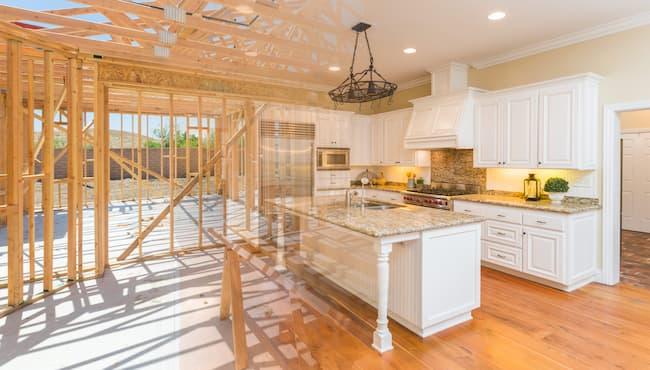
Renovating a home can improve comfort, functionality, and long-term property value while helping homeowners adapt their living spaces to changing needs. However, successful improvements require careful planning, realistic budgeting, and a clear understanding of each stage. The home renovation process involves several important steps, from identifying priorities and selecting materials to completing construction and final inspections. Understanding how these stages connect helps homeowners make informed decisions, avoid unnecessary delays, and achieve results that support their lifestyle and long-term goals.
Understanding the Home Renovation Process
Every renovation project begins with a clear understanding of what needs improvement and why. Some homeowners want to modernize outdated interiors, while others need more functional kitchens, comfortable bathrooms, or better-organized living areas. Establishing the purpose of a renovation helps determine its scope, estimated cost, and expected timeline. A well-defined plan also makes it easier to communicate requirements to contractors and designers, ensuring that the finished space reflects the household's practical needs and personal preferences. Homeowners considering major improvements can explore renovation ideas for transforming their homes for additional inspiration.
Step 1 Identifying Renovation Goals
Before beginning construction, homeowners should evaluate their existing property and identify areas that require attention. Creating a priority list helps separate essential repairs from optional upgrades. For example, addressing water damage, outdated electrical systems, or structural concerns may be more important than changing decorative finishes. Homeowners should also consider future requirements, such as additional storage, accessibility, or space for a growing family. These priorities establish a practical foundation for making decisions throughout the renovation project.
Step 2 Establishing a Realistic Budget
A renovation budget should account for labor, materials, permits, design services, and other project-related expenses. Homeowners can begin by researching typical costs for their intended improvements and requesting detailed estimates from qualified professionals. It is also sensible to reserve approximately 10 to 20 percent of the planned budget for unexpected expenses, although the appropriate amount depends on the property's condition and project complexity. Careful financial planning helps homeowners balance their expectations with available resources and reduces the likelihood of costly interruptions. Reviewing projects that can add to resale value can also help homeowners evaluate potential improvements from a long-term investment perspective.
Planning and Preparing for Construction
Thorough preparation helps create a smoother transition from initial ideas to actual construction. During this stage, homeowners finalize design preferences, determine the project scope, and establish practical arrangements for the work ahead. Depending on the renovation, preparation may involve architectural drawings, engineering assessments, permit applications, and discussions about material availability. Resolving these details before construction begins allows everyone involved to understand the project requirements and responsibilities. It also reduces confusion when important decisions need to be made during the building phase.
Step 3 Creating a Detailed Renovation Plan
A detailed renovation plan explains which areas will be changed, which materials will be used, and how the completed spaces should function. Homeowners should consider lighting, ventilation, storage, flooring, fixtures, and the relationship between adjoining rooms. For larger projects, professional design assistance can help identify structural limitations and practical layout improvements. Clear documentation also supports more accurate cost estimates and scheduling. When expectations are established early, homeowners can compare proposed solutions and choose options that suit their budget and household needs.
Step 4 Selecting Qualified Contractors
Choosing experienced professionals is an important part of achieving reliable renovation results. Homeowners should review relevant project experience, references, insurance coverage, licenses where required, and written estimates before making a decision. Comparing several proposals can reveal differences in materials, labor charges, project schedules, and included services. A comprehensive contract should explain payment arrangements, responsibilities, warranties, and procedures for approving changes. Reviewing these important questions to ask a remodeler can help homeowners evaluate contractors and better understand their approach before signing an agreement. Open communication is equally important because homeowners need to feel comfortable discussing concerns, asking questions, and reviewing progress throughout construction.
Step 5 Obtaining Necessary Permits
Some renovations require building permits or approvals before work can begin. Requirements vary according to the property's location, the type of improvement, and applicable building regulations. Projects involving structural modifications, electrical systems, plumbing, or major additions may require additional documentation and inspections. Homeowners should confirm the applicable requirements with their local building department or qualified contractor. Obtaining the correct approvals helps ensure that work follows relevant safety standards and reduces the risk of penalties, delays, or complications when the property is sold.
Completing the Construction Stage
Construction turns the approved renovation plan into a functional living space. Depending on the project, work may include demolition, structural repairs, framing, electrical installation, plumbing, insulation, drywall, flooring, and finishing details. The order of these activities matters because certain tasks must be completed before others can begin. Homeowners should understand the anticipated schedule and establish how updates will be communicated. Although some disruptions are unavoidable, an organized construction plan helps maintain progress and makes it easier to identify issues before they affect later stages.
Step 6 Managing Construction and Progress
Regular communication helps homeowners stay informed about project developments, material deliveries, and schedule changes. Contractors should provide updates about completed tasks, upcoming activities, and any unexpected conditions discovered during construction. Homeowners should avoid making frequent changes without considering their impact on cost and timing. When adjustments are necessary, they should be documented and approved before additional work proceeds. This approach creates a clear record of decisions and helps prevent misunderstandings. It also encourages cooperation between homeowners and the professionals responsible for completing the renovation.
Step 7 Choosing Materials and Finishes
Materials influence a renovated home's appearance, durability, maintenance requirements, and overall cost. Homeowners should compare options according to their intended use rather than selecting products based solely on appearance or initial price. For example, moisture-resistant materials may be appropriate for bathrooms, while durable flooring can benefit busy family areas. Energy-efficient lighting, well-insulated windows, and suitable fixtures may also improve everyday comfort. Exploring interior customization options can help homeowners understand how paint, trim, and finish selections contribute to a cohesive design. Coordinating colors, textures, and finishes creates a consistent appearance while helping ensure that individual selections contribute to the property's overall functionality.
Final Inspections and Project Completion
The final stage focuses on checking the quality of completed work and confirming that the renovated space is ready for use. Homeowners should review the project against the agreed plans and contract, paying attention to workmanship, fixtures, finishes, and outstanding tasks. Required inspections should be completed before the project is considered finished. This stage also provides an opportunity to discuss maintenance requirements, warranty information, and any necessary corrections. A thorough review helps ensure that the final result meets expectations and supports long-term satisfaction.
Step 8 Conducting a Final Walkthrough
During the final walkthrough, homeowners should inspect each renovated area carefully and prepare a written list of incomplete items or visible defects. Doors, windows, plumbing fixtures, electrical outlets, cabinets, flooring, and installed appliances should be checked where applicable. Any concerns should be discussed with the contractor and addressed according to the contract. Homeowners should also collect relevant permits, inspection records, warranties, product information, and maintenance instructions.
Conclusion
A successful renovation depends on thoughtful planning, realistic budgeting, professional guidance, and careful attention to detail at every stage. By understanding the home renovation process, homeowners can prepare for challenges, make informed choices, and manage improvements with greater confidence. Setting clear priorities, obtaining necessary approvals, communicating with contractors, and conducting thorough final inspections all contribute to better outcomes. For homeowners seeking professional guidance and quality craftsmanship for their residential projects, Metzler Home Builders Inc is a business to consider when exploring home building and renovation needs. With a well-organized approach, a renovation can create a more comfortable, practical, and welcoming home that serves its occupants for years to come.
 French
 English
 Arabic
 Spanish
 Portuguese
 Deutsch
 Turkish
 Dutch
 Italiano
 Russian
 Romaian
 Portuguese (Brazil)
 Greek