


How Custom Wood Pallets Help Businesses Handle Specialized Shipping Needs
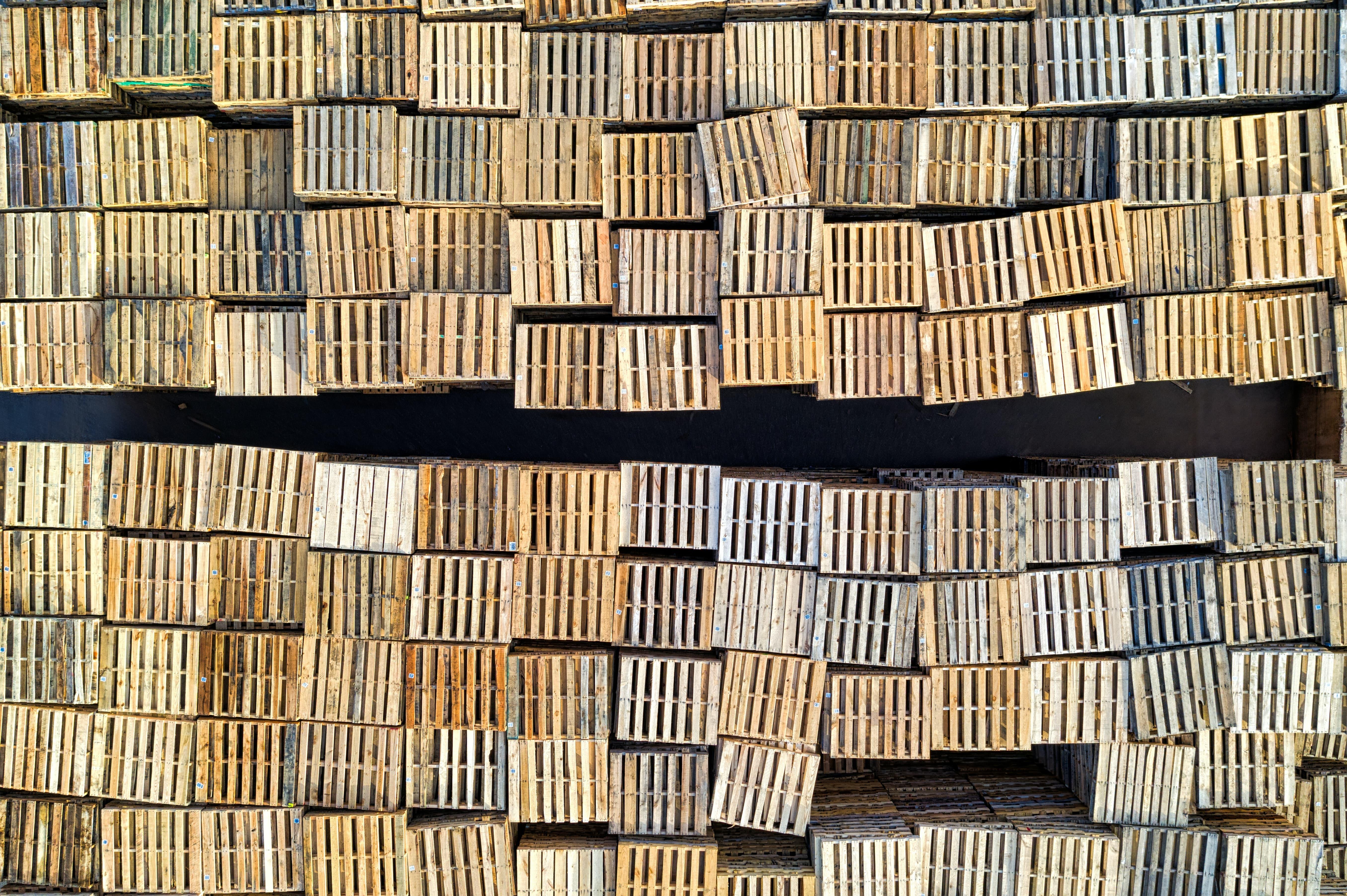
Businesses that transport specialized products often face challenges related to load dimensions, product weight, handling requirements, and shipping conditions. Standard pallets may not provide the support or flexibility required for every shipment, making tailored solutions increasingly valuable. Custom wood pallets help businesses address these challenges by providing designs suited to specific products and transportation needs. From manufacturing equipment to fragile components, appropriately designed pallets can improve stability, simplify handling, and support more efficient shipping operations across warehouses, distribution centers, and long-distance transportation networks.
Understanding the Importance of Specialized Shipping Solutions
Specialized shipping involves transporting products that require particular dimensions, load capacities, protective measures, or handling procedures. Industrial machinery, oversized components, and irregularly shaped goods may not fit securely on standard pallets. Poorly matched support can increase the risk of shifting, product damage, and handling difficulties during transportation. Businesses can address these concerns by selecting pallet structures that accommodate the characteristics of their shipments. A carefully planned pallet design helps create a more dependable foundation for moving products between production facilities, storage locations, and final destinations.
Addressing Unique Product Dimensions
Products with unusual shapes or oversized dimensions often require a different approach to pallet construction. Standard pallet sizes may leave parts of a shipment unsupported or create unnecessary overhang that complicates storage and transportation. Customized dimensions allow businesses to position products more securely while making better use of available shipping space. Properly measured pallets can also help improve compatibility with forklifts, pallet jacks, and warehouse racking systems. This attention to dimensions supports smoother handling and helps businesses establish consistent procedures for packaging and transporting specialized products.
Supporting Different Load Requirements
Every shipment has specific weight distribution and load-bearing requirements. Heavy industrial equipment may need reinforced support, while lighter products might benefit from a simpler structure that reduces unnecessary material use. Customized construction allows pallet designers to consider load weight, product dimensions, support placement, and expected handling conditions. These factors help determine the appropriate deck boards, stringers, blocks, and overall structure. Businesses can also explore heavy-duty block pallets when shipments require a suitable heavy-duty design. Matching pallet construction to the intended application can contribute to safer handling and more dependable transportation.
Improving Product Protection During Transportation
Protecting products throughout the shipping process is an important priority for businesses managing valuable, delicate, or irregularly shaped goods. Packages may experience vibration, sudden movement, repeated handling, and changes in transportation conditions. A pallet designed around the shipment can provide a stable base and help distribute weight more evenly. Appropriate dimensions and support points can reduce unnecessary movement when products are secured correctly. Although pallets alone cannot prevent every type of shipping damage, a well-planned design can strengthen an overall packaging strategy and help businesses maintain better control over product movement.
Reducing Movement and Handling Risks
Products that shift during transportation may become damaged or create safety concerns for workers handling the shipment. Customized pallets can accommodate the placement of restraints, blocking materials, and protective packaging suited to the shape of particular goods. These features can help keep products in position when combined with appropriate wrapping, strapping, and loading procedures. Businesses should also evaluate the shipment's center of gravity and ensure that the weight is distributed appropriately across the pallet. Careful preparation can reduce avoidable movement and improve confidence when products pass through multiple handling stages.
Accommodating Fragile and Valuable Goods
Fragile equipment, precision components, and expensive industrial products often require additional consideration before shipment. Their packaging must account for vulnerable surfaces, sensitive components, and the possibility of impact during loading or unloading. Custom pallet dimensions can provide room for protective materials and help maintain suitable clearance around delicate items. Depending on the application, businesses may combine wooden supports with foam inserts, barriers, or custom crating. Solutions such as custom crating and dunnage can complement pallet selection by providing additional support for products that need more than a standard shipping platform.
Enhancing Warehouse Handling and Transportation Efficiency
Efficient shipping depends on more than moving products from one destination to another. Businesses must also consider how shipments are stored, loaded, unloaded, and transferred between different transportation stages. Pallets that fit the products and equipment used in these processes can help simplify everyday warehouse activities. Consistent pallet dimensions may improve stacking arrangements, while suitable entry points can support forklift access. These advantages can reduce unnecessary repositioning and help workers handle shipments more systematically. When pallet design reflects actual operational requirements, businesses can improve coordination between packaging, warehousing, and transportation activities.
Improving Compatibility With Material Handling Equipment
Forklifts, pallet jacks, conveyors, and storage racks all have particular operating requirements. A pallet that does not match these requirements may create difficulties during movement or storage. Customization allows businesses to consider fork-entry directions, pallet height, base construction, and overall dimensions before production. For example, a shipment handled from multiple directions may require a different configuration from one that follows a single loading path. Businesses can review 40x48 four-way pallets when this established size and entry configuration suits their operational needs. Selecting the correct format helps support efficient material handling.
Making Better Use of Shipping Space
Transportation costs can be influenced by shipment dimensions, vehicle capacity, loading arrangements, and product protection requirements. Poorly sized pallets may leave unused gaps or prevent goods from being positioned efficiently. Custom dimensions can help businesses organize shipments according to product measurements and available vehicle space. However, pallet size should never be optimized at the expense of load stability, weight limits, or safe handling access. Careful planning considers the complete shipment rather than the pallet alone. This balanced approach can support better space utilization while maintaining practical requirements for loading, storage, and transportation.
Selecting Suitable Materials and Construction Features
Wood remains a practical pallet material for many commercial and industrial shipping applications because it can be shaped into different configurations and constructed to meet varied load requirements. The appropriate wood species, board dimensions, fasteners, and structural arrangement depend on the intended shipment. Businesses should consider expected loads, handling frequency, environmental exposure, and reuse plans before selecting a design. Moisture conditions and the possibility of rough handling may also influence material choices. Working with an experienced pallet provider helps businesses identify construction features that align with their products, operational requirements, and transportation expectations.
Choosing Strength and Durability for the Application
A pallet must support its intended load under the conditions in which it will be used. Factors such as static load, moving load, load distribution, and storage arrangements affect the structural requirements. Businesses transporting heavy machinery may need stronger components and additional support points, while other shipments may require a lighter construction. Appropriate fastening and quality control are equally important because weak connections can reduce overall reliability. A suitable design should reflect realistic operating conditions instead of relying only on the shipment's total weight. Regular inspections can help identify damage before pallets are reused.
Considering Reuse and Long-Term Value
Shipping pallets can represent a recurring operating expense, particularly for businesses that move products regularly between facilities. Durable construction and appropriate maintenance may allow suitable pallets to be reused, depending on their condition and intended application. Businesses should establish inspection procedures to identify cracked boards, loose fasteners, contamination, or other damage that could compromise performance. Reuse decisions should always account for the product, load requirements, and applicable safety practices. When pallets reach the end of their useful life, responsible recovery or recycling may help reduce waste. Evaluating the complete service life provides a clearer understanding of long-term pallet value.
Meeting International Shipping and Compliance Requirements
Businesses shipping goods internationally may need to meet specific packaging, treatment, documentation, and destination requirements. Wooden packaging materials used in international trade can be subject to the International Standards for Phytosanitary Measures No. 15, commonly known as ISPM 15. Where the standard applies, regulated wood packaging generally requires approved treatment and the appropriate marking. Businesses should verify current requirements with relevant authorities and logistics partners before dispatching shipments. Reviewing heat treatment services can help identify a relevant service option when treated wooden packaging is required for an export shipment.
Preparing Wooden Pallets for Export
Export shipments can pass through multiple inspections and handling stages, making packaging preparation especially important. Businesses should confirm whether their wooden pallets fall within the scope of applicable international requirements and whether the destination imposes additional conditions. Treatment requirements, markings, packaging condition, and supporting shipment documentation should be checked before goods leave the facility. Pallets intended for export must also be suitable for the shipment's weight and handling needs. Planning these details early can help reduce avoidable delays and improve coordination between suppliers, freight providers, and receiving facilities.
Maintaining Consistent Quality Standards
Reliable pallet quality supports safer handling and more predictable shipping operations. Businesses can establish purchasing specifications covering dimensions, load capacity, construction materials, acceptable defects, and any required treatment or markings. Clear specifications help suppliers understand expectations and make it easier for receiving teams to inspect incoming pallets. Quality checks should consider both the pallet's physical condition and its suitability for the intended product. Consistent standards can also improve communication between purchasing, warehouse, and logistics teams. Establishing these procedures helps businesses manage variation and maintain a dependable packaging process as shipping requirements change.
Working With the Right Custom Pallet Supplier
Choosing a suitable supplier is an important step in developing a reliable specialized shipping process. Businesses should evaluate a provider's ability to understand product dimensions, load requirements, handling equipment, delivery schedules, and relevant treatment needs. Clear communication during the design stage can help identify potential problems before pallets are manufactured. Companies should also discuss production capacity, quality checks, repeat-order consistency, and options for adjusting specifications when products change. Reviewing custom pallet solutions can help businesses explore options designed around specific operational requirements rather than relying exclusively on standard pallet configurations.
Communicating Product and Shipping Requirements
A productive supplier discussion begins with accurate information about the shipment. Businesses should provide product dimensions, approximate weight, center of gravity, packaging details, loading methods, and transportation conditions whenever possible. Photographs, drawings, or product specifications may help clarify unusual shapes and support requirements. It is also useful to explain whether pallets will be used once or repeatedly and whether they must fit existing storage systems. This information allows the supplier to evaluate design options more effectively. Thorough planning can reduce misunderstandings, minimize unnecessary adjustments, and help produce pallets that meet practical shipping expectations.
Evaluating Cost, Availability, and Service
Price is an important consideration, but the lowest initial cost does not always represent the best overall value. Businesses should consider pallet durability, product protection, handling efficiency, availability, and the potential cost of shipping damage. Supplier reliability also matters when operations depend on regular deliveries or consistent specifications. Before placing an order, companies can confirm lead times, minimum quantities, delivery arrangements, and procedures for addressing quality concerns. Comparing these factors helps businesses make informed purchasing decisions. A supplier that understands specialized shipping requirements can support more consistent packaging operations as demand and product specifications evolve.
Conclusion
For businesses managing complex transportation requirements, Pallets 2 Go offers a relevant starting point for exploring pallet options suited to different shipping applications. Custom wooden pallets can help accommodate unusual dimensions, support demanding loads, improve handling compatibility, and complement protective packaging strategies. Their effectiveness depends on appropriate design, sound construction, correct treatment where required, and consistent inspection practices. By evaluating product needs and transportation conditions carefully, businesses can develop practical pallet solutions that support safer shipments, smoother warehouse operations, and better long-term packaging decisions across their supply chains.
 Spanish
 English
 Arabic
 French
 Portuguese
 Deutsch
 Turkish
 Dutch
 Italiano
 Russian
 Romaian
 Portuguese (Brazil)
 Greek