


Streamlining Mill Performance Reliable Pulp Mill Defoamer Applications Today
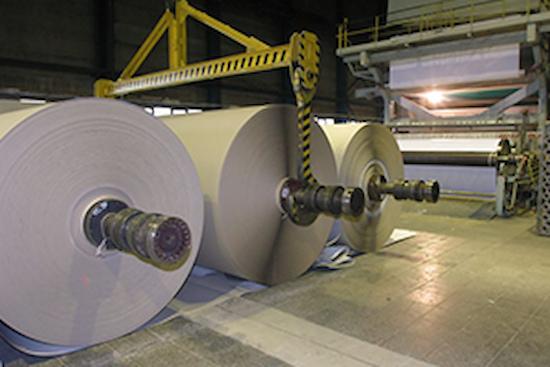
Pulp mills process wood fibres and other raw materials through pulping, washing, screening, bleaching, and water recovery operations. These processes involve substantial liquid movement, mechanical agitation, and chemical interactions that can generate unwanted foam. Persistent bubbles may interfere with tank capacity, liquid transfer, equipment monitoring, and wastewater handling. Selecting a suitable pulp mill defoamer helps manage excessive foam while supporting stable processing conditions. The most effective approach begins with identifying where foam develops, understanding the chemicals involved, and assessing how treatment may affect fibre quality, equipment performance, water reuse, and downstream manufacturing operations.
Identifying Common Sources of Pulp Mill Foam
Foam formation in pulp mills can result from mechanical agitation, air entrainment, dissolved organic substances, residual pulping chemicals, and surfactant-containing process additives. Different production stages may experience different foaming conditions because temperature, pH, solids concentration, and chemical composition change throughout the process. Recycled process water can also accumulate substances that influence bubble stability. Operators should observe where foam originates and whether it increases during specific production activities. Identifying the primary cause helps determine whether equipment adjustments, improved process control, or chemical treatment is required. A targeted response can improve consistency while reducing unnecessary defoamer consumption.
Why Foam Control Matters for Mill Efficiency
Excessive foam can reduce usable tank capacity, cause overflow, interfere with level measurements, and complicate the movement of pulp suspensions through processing equipment. Foam accumulation may also increase cleaning requirements around vessels, pipelines, pumps, and drainage systems. In some cases, unstable foam conditions make it harder for operators to monitor liquid movement and maintain consistent production settings. These disruptions can contribute to downtime and additional operating expenses. An effective foam management strategy helps reduce such difficulties and supports more predictable operations. However, treatment should be selected carefully to ensure that essential pulping, washing, and fibre-handling functions remain unaffected.
Selecting a Compatible Defoamer Formulation
The performance of a defoamer depends on its compatibility with the pulp slurry, process water, chemicals, and operating conditions. Important considerations include pH, temperature, fibre concentration, dissolved solids, and the presence of residual surfactants. A product that performs well in one process stream may deliver different results in another because pulp mill operations use varied chemical environments. Selection should also consider potential effects on deposits, downstream water treatment, and paper manufacturing. Laboratory testing helps compare candidate products before implementation. This process supports a more informed decision and reduces the risk of controlling foam at one stage while creating problems elsewhere.
Managing Foam During Pulping Operations
Pulping separates fibres from wood or other fibrous raw materials through mechanical, chemical, or combined processes. Agitation, circulation, and the presence of dissolved organic compounds can contribute to foam formation during these activities. Excessive bubbling may complicate vessel operation, affect visual monitoring, and increase the risk of overflow. A suitable defoamer can help where foam is confirmed to disrupt processing, but chemical treatment should be considered alongside process conditions. Operators should review mixing intensity, liquid return arrangements, and the characteristics of the raw material. Understanding these variables helps establish whether a chemical solution or operational adjustment offers the most appropriate response.
Improving Pulp Washing and Screening Performance
Pulp washing removes residual chemicals, dissolved organic materials, and other substances from processed fibres, while screening separates unwanted particles from the pulp stream. Foam can complicate liquid handling around washers, screens, and associated collection tanks. Persistent bubbles may interfere with level monitoring, contribute to overflow, and make equipment cleaning more demanding. Treatment should be compatible with the washing chemistry and should not negatively affect fibre recovery or downstream processing. Mills can monitor foam behaviour, filtrate quality, and equipment performance before and after treatment. This broader assessment helps determine whether the selected defoamer improves operational stability without compromising pulp cleanliness or screening efficiency.
Controlling Foam During Bleaching Processes
Bleaching operations use chemicals to improve pulp brightness and meet product specifications. Changes in pH, temperature, chemical concentration, and dissolved material levels can influence foam formation during these stages. Excessive foam may complicate tank management, liquid transfer, and process observation. Any defoamer considered for bleaching applications must be compatible with the bleaching chemistry and the required pulp properties. Product selection should account for the possibility of chemical interactions and downstream effects. Controlled trials can assess foam reduction alongside brightness, residual chemical levels, and other relevant process indicators. This approach supports reliable foam management while maintaining the quality requirements of the finished pulp.
Understanding the Role of Process Water
Water is used throughout pulp production for fibre transport, washing, dilution, cleaning, and chemical preparation. As water circulates through the mill, it may collect dissolved organic substances, residual additives, and fine particles that influence foam behaviour. Reusing process water can improve resource efficiency, but changing water chemistry may make foam less predictable. Monitoring water quality helps operators identify conditions associated with recurring bubbling. Foam-control products should be assessed for their compatibility with water recovery systems and downstream treatment. Coordinating defoamer use with water management practices helps maintain stable operations while supporting responsible use of water resources.
Choosing the Correct Dosage and Addition Point
Defoamer dosage depends on the severity of foam, liquid composition, process temperature, circulation rate, and product concentration. Insufficient addition may leave persistent bubbles, while excessive treatment can increase costs or introduce compatibility concerns. The location of application also influences performance because the product needs to disperse effectively where foam develops. Mills should follow supplier recommendations and establish dosage ranges through controlled testing. Monitoring foam height, recurrence, chemical consumption, and relevant process conditions helps operators make informed adjustments. A documented dosing procedure supports consistency across shifts and reduces the likelihood of unnecessary chemical additions during routine production.
Evaluating Foam Knockdown and Long-Term Control
Rapid foam collapse is useful, but it does not necessarily indicate that a product will provide reliable control throughout a production cycle. Some formulations reduce visible foam quickly but allow new bubbles to develop when agitation continues. Others may provide longer-lasting control under suitable conditions. Mills should evaluate both immediate knockdown and the likelihood of foam returning during circulation, pumping, or mixing. Measurements can include foam height, collapse time, recurrence, and the effect on liquid handling. These observations provide a more complete understanding of performance. Comparing products under similar conditions helps identify a solution that supports sustained process stability.
Protecting Fibre Quality and Process Chemistry
Foam-control measures must not compromise fibre characteristics or the chemical balance required for efficient pulp production. Depending on the application, important considerations include fibre strength, brightness, cleanliness, drainage, and compatibility with retention or sizing chemicals used downstream. An unsuitable formulation may interact with other additives or contribute to deposits that affect equipment operation. Product evaluation should therefore extend beyond visual foam reduction. Laboratory screening and controlled production trials can help reveal changes in pulp properties and process behaviour. By assessing compatibility alongside foam-control performance, mills can select treatment options that support operational reliability without creating avoidable quality concerns.
Preventing Deposits and Equipment Problems
Foam-related problems may occur alongside deposits, contamination, or uneven liquid flow in pulp mill equipment. While a defoamer can reduce unwanted bubbles, it should not be treated as a substitute for equipment inspection and preventive maintenance. Leaking seals, poorly designed return lines, and excessive turbulence can introduce air into process streams. Operators should also monitor surfaces where chemical residues or fibre deposits accumulate. Correcting mechanical causes can reduce the need for repeated chemical treatment. A combined approach that includes maintenance, process review, and appropriate defoamer use helps improve equipment reliability and supports cleaner, more consistent mill operation.
Testing Defoamers Before Full Implementation
Laboratory testing allows mills to compare candidate products before introducing them into production. Representative samples should reflect the relevant process stream, including its pH, temperature, fibre concentration, and chemical composition. Tests can evaluate foam collapse, persistence, dispersion, and possible changes to pulp or water properties. However, small-scale experiments cannot reproduce every condition encountered in continuous industrial processing. Pilot evaluations or carefully monitored production trials may therefore be necessary to confirm performance. Testing should use clear acceptance criteria and consistent procedures so that results can be compared objectively. This structured process reduces uncertainty and supports evidence-based product selection.
Monitoring Performance During Production
Ongoing monitoring helps determine whether a defoamer continues to perform effectively as mill conditions change. Operators can track foam accumulation, overflow incidents, tank levels, chemical dosage, equipment cleanliness, and production interruptions. Where appropriate, measurements of pulp quality, drainage, and water characteristics should also be included. Changes in raw materials, production speed, or chemical formulations may influence treatment requirements. Recording these factors helps identify relationships between process changes and foam behaviour. Regular performance reviews allow teams to adjust the treatment program when needed. Consistent monitoring supports better operational decisions and helps prevent recurring foam problems from becoming routine disruptions.
Improving Water Recovery and Wastewater Handling
Pulp mills generate wastewater and process streams that may contain suspended fibres, dissolved organic materials, residual chemicals, and other substances. Foam can complicate pumping, clarification, filtration, and biological treatment, particularly when water chemistry varies during production. A suitable defoamer may help manage excessive foam in compatible applications, but it must be evaluated for its effects on downstream treatment. Mills should review the relevant wastewater treatment solutions when assessing foam-control requirements beyond the pulp production line. Testing should consider foam reduction alongside settling, filtration, biological performance, and water quality to ensure that treatment supports the wider water management system.
Reducing Chemical Consumption and Operating Costs
Effective foam control can reduce overflow, cleanup, repeated treatment, and interruptions associated with persistent bubbles. However, cost efficiency depends on the total performance of the treatment program rather than the purchase price of the product alone. A low-cost formulation that requires frequent addition may deliver less value than a product that provides consistent control at a lower overall consumption rate. Mills should record dosage, foam incidents, maintenance requirements, and production outcomes to evaluate the results. Reviewing these measurements can reveal opportunities to improve dosing accuracy or address underlying process problems. This approach helps control expenses while maintaining production stability and pulp quality.
Considering Environmental and Handling Requirements
Pulp mill chemical programs should account for worker safety, storage requirements, spill prevention, and applicable environmental regulations. Defoamers may enter process water or wastewater streams, so their compatibility with treatment systems and discharge requirements should be reviewed before use. Product documentation should explain appropriate handling, storage conditions, and relevant safety precautions. Personnel should follow site procedures and applicable safety data sheet guidance when preparing or applying treatment chemicals. Environmental suitability should be evaluated in the context of the specific application rather than assumed from general product descriptions. Responsible selection helps balance operational performance with environmental and workplace requirements.
Working With Technical Specialists
Persistent foam can be difficult to resolve when multiple chemicals, changing raw materials, and recirculated water interact within the same production system. Technical specialists can help examine process conditions, identify likely causes, and develop a structured testing plan. A useful assessment considers the location of foam formation, chemical compatibility, dosing arrangements, and downstream requirements. Mills can also explore the pulp industry application area for relevant process context. Sharing accurate production data and clearly defined performance targets helps technical teams evaluate potential solutions more effectively and reduces reliance on trial-and-error dosing.
Exploring Formulation Development for Specific Needs
Some pulp mills require tailored foam-control approaches because their process chemistry, fibre furnish, or water recycling conditions differ from standard applications. Formulation development can investigate ingredient compatibility, dispersion, dosage efficiency, and performance under representative operating conditions. Mills considering specialized options can review the available research and development services to understand how technical evaluation can support application-specific requirements. Development should include laboratory screening and, where practical, confirmation under actual mill conditions. The objective is to achieve reliable foam reduction while preserving pulp quality, water recovery, and downstream process performance. A structured approach provides a stronger technical basis for long-term treatment decisions.
Establishing a Reliable Foam Control Program
A consistent foam-control program combines appropriate product selection, accurate dosing, equipment maintenance, and regular performance reviews. Operators should have clear procedures for identifying foam, investigating potential causes, applying treatment, and confirming the outcome. Records should include process conditions, water characteristics, product dosage, and any observed changes in production performance. These details help teams identify recurring patterns and recognize when operating conditions require a revised approach. Coordination between production, maintenance, and technical personnel supports faster troubleshooting and more consistent implementation. Regular evaluation ensures that the treatment strategy remains appropriate as production requirements, raw materials, and water chemistry change.
Conclusion
Reliable pulp mill foam control supports stable liquid handling, effective washing, consistent pulp processing, and efficient water management. Selecting a suitable defoamer requires attention to process chemistry, dosage, equipment conditions, fibre quality, and downstream treatment requirements. Laboratory screening, controlled trials, and ongoing monitoring help mills confirm performance while avoiding unnecessary chemical consumption. Combining chemical treatment with preventive maintenance and water-quality management provides a more sustainable approach to recurring foam challenges. PMC Ouvrie offers industrial foam-control expertise and formulation development support to help manufacturers evaluate solutions aligned with their specific processing needs and operational objectives.

 Arabic
 French
 Spanish
 Portuguese
 Deutsch
 Turkish
 Dutch
 Italiano
 Russian
 Romaian
 Portuguese (Brazil)
 Greek