


Building Reliable Production Workflows With Modern Coil Processing Equipment
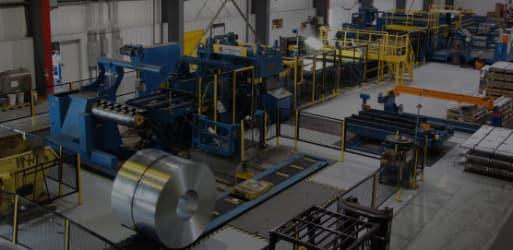
Modern manufacturing operations require dependable machinery that can process metal materials accurately, efficiently, and consistently. As production demands increase, businesses need equipment that supports smooth material movement, minimizes waste, and maintains quality across different manufacturing stages. Coil processing equipment plays an important role in transforming metal coils into usable sheets, strips, and blanks for industries such as automotive manufacturing, construction, appliance production, and general fabrication. By selecting suitable machinery and coordinating processing operations effectively, manufacturers can improve productivity, maintain dimensional accuracy, and build reliable workflows that support both current requirements and future business growth.
Understanding the Importance of Coil Processing Equipment
Coil processing equipment includes specialized machinery designed to handle, flatten, cut, slit, and prepare metal coils for downstream manufacturing operations. These systems help convert large coils into material formats that meet specific production requirements. Depending on the application, a processing line may include coil loading equipment, uncoilers, levelers, feeding mechanisms, cutting systems, and material stacking arrangements.
Each component contributes to the overall production process. Uncoilers supply material to the line, levelers improve flatness, and feeding systems control material movement before cutting or slitting operations. When these functions operate together, manufacturers can reduce unnecessary handling and improve the consistency of processed material.
Selecting appropriate machinery begins with understanding the materials being processed, the required dimensions, and the expected production volume. A system designed around actual operating needs can help manufacturers maintain reliable performance while avoiding unnecessary equipment complexity.
Improving Productivity Through Integrated Processing Lines
Production efficiency depends on how well individual processing stages work together. When material must move between separate machines or undergo repeated manual handling, operations can become slower and more difficult to coordinate. Integrated coil processing lines help organize these activities into a more continuous workflow.
Modern equipment can combine feeding, leveling, cutting, and stacking functions within a coordinated system. This arrangement can reduce transfer time, support consistent material movement, and help operators manage production more effectively. The level of integration depends on the required output, material specifications, and available facility space.
Manufacturers evaluating automated metal processing and sheet metal automation can explore how connected machinery and control systems may improve production coordination. Careful integration planning helps ensure that equipment capacity, material handling arrangements, and downstream processes remain compatible.
Maintaining Material Accuracy and Flatness
Material accuracy is essential in manufacturing because processed sheets and strips often move directly into stamping, forming, welding, or assembly operations. Variations in flatness, width, or length can affect finished components and create additional work during downstream processing. Coil processing equipment helps control these factors through suitable leveling, feeding, slitting, and cutting functions.
Leveling equipment can reduce coil set and improve sheet flatness when configured for the material and application. Feeding systems advance material according to the required production sequence, while cutting mechanisms produce the desired dimensions. Each function must be selected and adjusted to match the material's thickness, strength, and mechanical characteristics.
Manufacturers working with demanding flatness requirements may consider stretch leveling steel technology when evaluating suitable processing options. The correct solution depends on incoming material conditions and the flatness specifications required by the final application.
Supporting Different Metal Types and Thicknesses
Manufacturing facilities may process carbon steel, stainless steel, aluminum, and other materials with different mechanical properties. These differences influence equipment selection because metals can respond differently to feeding pressure, leveling forces, cutting methods, and material handling conditions.
Thickness also affects processing requirements. Thin materials may need careful tension control and suitable contact surfaces to avoid damage, while thicker materials can require greater machine capacity and stronger cutting components. Equipment selection should therefore reflect the full range of materials and dimensions expected during normal production.
Reviewing sheet metal coil processing material types can help manufacturers understand how material characteristics affect processing decisions. Matching equipment to the intended material range supports reliable feeding, consistent cutting, and improved finished product quality.
Enhancing Slitting and Cut to Length Capabilities
Slitting and cut to length operations are two important functions within coil processing. Slitting divides a wider coil into narrower strips, while cut to length equipment produces flat sheets or blanks from continuous material. Both processes require accurate material guidance and controlled cutting to meet production specifications.
A suitable slitting line must account for the material width, thickness, desired strip widths, and expected output. Cut to length systems require attention to sheet dimensions, leveling performance, cutting accuracy, and stacking arrangements. Manufacturers may use separate specialized lines or integrated processing configurations depending on their product mix and production requirements.
Modern metal slitting machine technology can support accurate coil separation and consistent strip production. Selecting the right configuration helps businesses maintain quality while accommodating different orders and processing requirements.
Reducing Material Waste and Operating Costs
Material waste can affect profitability, particularly when production involves expensive metals or large processing volumes. Poor cutting layouts, inconsistent feeding, inaccurate measurements, and damaged material can all contribute to unnecessary scrap. Properly configured coil processing equipment helps manufacturers control these factors by improving material positioning and maintaining repeatable operating conditions.
Reducing waste requires more than purchasing advanced machinery. Operators must use suitable production settings, inspect material quality, and monitor equipment performance. Preventive maintenance can also help maintain accuracy by identifying worn components and alignment problems before they cause larger production issues.
Manufacturers should track useful performance measures such as scrap rates, setup time, downtime, and output consistency. These measurements help identify where improvements are needed and whether equipment changes are delivering the expected benefits. Better coordination between production planning and machine operation can further improve material utilization.
Improving Safety and Material Handling
Coil processing operations involve heavy material, moving machinery, and cutting mechanisms that require careful handling. Safe equipment design and appropriate operating procedures are essential for protecting employees and maintaining consistent production. Manufacturers should consider loading methods, guarding, emergency controls, operator access, and maintenance requirements when planning a processing line.
Automated handling systems may reduce the need for workers to move material manually between certain stages. However, automation must be implemented with suitable safeguards and clear operating procedures. Employees also need training in loading, setup, inspection, and safe responses to interruptions.
Reviewing established metal processing safety practices can help manufacturers assess important safety considerations. Routine inspections and preventive maintenance further support reliable equipment operation while helping facilities reduce avoidable risks and production interruptions.
Selecting Equipment for Long Term Manufacturing Needs
Choosing coil processing equipment requires a careful evaluation of both current production requirements and future demand. Manufacturers should identify the materials they process, the range of coil dimensions, required output, finished product tolerances, and expected changes in customer specifications.
Other important considerations include equipment footprint, operator requirements, control systems, maintenance access, and compatibility with existing production machinery. A line with suitable flexibility may help a manufacturer accommodate new products or changing order volumes without making major modifications to the entire facility.
Technical support and access to replacement components should also be considered. Reliable service can help reduce downtime and maintain equipment performance throughout its working life. Reviewing these factors before purchasing machinery supports more informed investment decisions and helps ensure that the selected system matches the facility's operational priorities.
Preparing for Future Production Demands
Manufacturing technology continues to evolve as businesses seek higher productivity, improved quality, and more efficient use of materials. Coil processing systems can support these goals through better automation, coordinated controls, and equipment configurations tailored to specific applications.
Future planning should include potential changes in material types, production volumes, product dimensions, and automation requirements. Manufacturers should also assess whether existing storage, handling, and downstream operations can accommodate increased processing capacity. Without this planning, a faster machine may simply move bottlenecks to another stage of production.
A coordinated improvement strategy considers equipment performance, employee training, maintenance schedules, and workflow design together. This approach helps manufacturers build production systems that remain dependable as operational requirements change.
Conclusion
Modern coil processing equipment helps manufacturers transform raw metal coils into accurate sheets, strips, and blanks while supporting efficient production workflows. Integrated processing, suitable leveling, reliable feeding, and precise cutting can improve material utilization and reduce unnecessary handling. Careful equipment selection, preventive maintenance, and attention to workplace safety further strengthen long term performance. By aligning machinery with material specifications and future production goals, businesses can create more flexible and dependable manufacturing operations. Red Bud Industries offers coil processing expertise to help manufacturers explore equipment solutions suited to their production needs.
Additional Resources
 Dutch
 English
 Arabic
 French
 Spanish
 Portuguese
 Deutsch
 Turkish
 Italiano
 Russian
 Romaian
 Portuguese (Brazil)
 Greek