


Meeting Demanding Output Targets With High Speed Slitting Lines
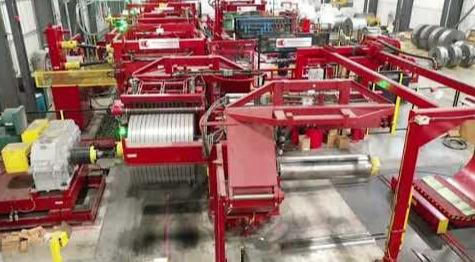
Metal manufacturers face increasing pressure to improve production output while maintaining consistent dimensions, reliable edge quality, and efficient material utilization. Processing wide metal coils into narrower strips requires precise cutting, controlled material movement, and dependable recoiling performance. high speed slitting lines help manufacturers process metal coils efficiently by coordinating uncoiling, slitting, tension control, and recoiling within an integrated production system. When properly selected and configured, these lines can increase processing capacity, reduce production bottlenecks, and support consistent results across demanding manufacturing applications.
Production speed alone does not determine the effectiveness of a slitting operation. The equipment must maintain stable material tracking, accurate knife positioning, and appropriate tension throughout the process. Excessive speed without adequate control can lead to strip defects, unstable winding, and increased scrap. Manufacturers therefore need to evaluate the complete production system rather than focus only on maximum operating speed. A well planned slitting line balances throughput with product quality, operational safety, and long term equipment reliability.
How High Speed Slitting Lines Improve Production
Coordinating Uncoiling and Material Feeding
The uncoiling stage supplies material to the slitting section and influences the stability of the entire production process. The uncoiler must accommodate the coil's weight, diameter, width, and material characteristics while releasing the strip at a controlled rate. Poor alignment or inconsistent feeding can affect downstream cutting accuracy and cause unnecessary interruptions.
High speed operations require the incoming material to remain stable as production accelerates. Suitable loading equipment, alignment mechanisms, and control systems help maintain a consistent supply of material. Manufacturers should also consider how quickly coils can be changed, since lengthy changeovers can reduce the productivity benefits of faster processing.
The material preparation stage should reflect the full range of coil specifications expected during normal operation. Steel grade, thickness, surface condition, and coil dimensions can all affect feeding behavior. Reviewing these factors before selecting equipment helps manufacturers establish a configuration that supports dependable performance at the intended production rate.
Maintaining Precise Slitting Performance
The slitting section divides a wide metal strip into narrower strips using circular knives arranged according to the required widths. Knife spacing, tooling condition, material properties, and cutting alignment influence the dimensions and edge quality of the finished strips.
At higher operating speeds, even small setup problems can become more significant. Incorrect knife positioning or worn tooling may produce inconsistent widths, burrs, or damaged edges. Proper setup procedures and scheduled tooling inspections help reduce these risks and support repeatable production.
Manufacturers should identify the range of strip widths and material thicknesses they expect to process. This information helps determine the required tooling arrangements and the flexibility needed for product changeovers. A system that supports accurate setup and consistent cutting can help manufacturers achieve higher output without sacrificing the quality standards required by customers.
Controlling Recoiling and Strip Tension
After slitting, the narrower strips are wound into finished coils. Recoiling requires coordinated tension control to keep strips aligned and produce stable packages. If tension is too low, coils may become loose or unstable. Excessive tension can affect material condition, winding quality, or the handling of sensitive strips.
High speed production places additional demands on tension control because the system must respond reliably as operating conditions change. The uncoiler, slitting section, and recoiler must work together to maintain consistent material movement. Suitable controls and correct setup help reduce telescoping, uneven winding, and other problems that can affect finished coil quality.
The recoiling system should also accommodate the expected range of strip widths, thicknesses, and coil weights. Matching these capabilities to production requirements helps manufacturers maintain reliable output and simplifies the handling of finished products.
Balancing Production Speed With Product Quality
Maintaining Consistent Strip Widths
Dimensional accuracy remains essential even when production targets require higher operating speeds. Strips that fall outside specified width tolerances may create problems during stamping, forming, assembly, or other downstream processes. Inconsistent dimensions can also increase inspection requirements and material waste.
Manufacturers should establish clear tolerances and inspection procedures before determining the required production rate. Knife positioning, material tracking, tooling condition, and incoming material consistency should all be evaluated. Regular checks can help operators identify deviations before they affect a large quantity of material.
Accurate slit width control depends on the combined performance of the equipment and the production team. Standardized setup procedures, appropriate measuring tools, and documented operating parameters help reduce variation between shifts. This approach supports reliable output while keeping quality requirements central to production planning.
Preserving Edge Quality
Slitting creates new edges that may affect how the finished strips perform in later manufacturing operations. Excessive burrs, rough edges, or uneven cuts can interfere with material handling and downstream processing. These defects may also increase safety risks for personnel handling the finished strips.
Knife sharpness, alignment, clearance, and material characteristics influence edge formation. Manufacturers should select suitable tooling and establish maintenance intervals based on actual operating conditions. Inspecting the finished edges helps identify emerging problems before they result in substantial scrap or customer complaints.
Higher production speed should be introduced only when the equipment can maintain acceptable edge quality under the intended operating conditions. A balanced approach helps manufacturers improve output while protecting product consistency and reducing the costs associated with rework.
Protecting Surface Condition
Metal strips may require a clean surface for coating, painting, forming, or other downstream applications. Scratches, dents, and contamination can reduce material value even when the strip dimensions are correct.
Manufacturers should examine the contact points throughout the line, including rollers, guides, separators, and recoiling components. Appropriate handling practices and equipment adjustments can help reduce unnecessary friction and prevent damage during processing.
Surface protection is particularly important when processing sensitive finishes or materials intended for visible applications. Evaluating these requirements during equipment selection helps ensure that increased throughput does not come at the expense of finished product quality.
Selecting the Right High Speed Slitting Line
Evaluating Material Specifications
The material range determines many of the technical requirements for a slitting line. Thickness, width, yield strength, coil weight, and surface characteristics influence the machine structure, cutting components, drive systems, and tension controls needed for dependable operation.
Manufacturers should document the minimum and maximum material specifications they expect to process. This information helps determine whether the proposed equipment can accommodate current production needs and provide reasonable flexibility for future orders. Selecting equipment based on only one common material may restrict its usefulness when the product mix changes.
The equipment supplier should also understand the quality requirements of the finished strips. Applications requiring narrow width tolerances or sensitive surface protection may need different capabilities from operations producing general purpose industrial material. Matching equipment to the actual application helps balance performance, flexibility, and investment cost.
Matching Speed to Production Demand
Maximum line speed is only one factor in determining production capacity. Actual output also depends on coil changes, setup time, material handling, inspection procedures, and downstream processing requirements. A high speed line may deliver limited practical benefit if frequent interruptions prevent it from operating consistently.
Manufacturers should estimate the output required per shift and assess the time spent on nonproductive activities. This information can reveal whether the primary need is greater running speed, faster changeovers, improved material handling, or better coordination between processing stages.
The line should be configured around realistic production targets rather than an isolated speed specification. A balanced system can maintain a steady workflow and reduce the risk of creating bottlenecks elsewhere in the facility.
Considering Different Gauge Requirements
Light gauge and heavy gauge materials place different demands on slitting equipment. Thin material may require careful tension control and sensitive handling to avoid distortion. Thicker material can require greater cutting force, robust machine construction, and appropriate coil handling capacity.
Manufacturers processing a broad material range should determine whether a single configuration can meet their requirements effectively. They should also consider whether different tooling arrangements or operating settings will be necessary for specific materials.
Facilities evaluating higher capacity applications can review high speed precision slitting line solutions when considering the relationship between production speed, cutting accuracy, and operational requirements. The final selection should reflect the material range and quality standards of the intended application.
Improving Workflow Through Automation
Coordinating Equipment Controls
High speed slitting depends on coordinated control of material movement, cutting, and recoiling. If these stages do not respond consistently to changing operating conditions, the line may experience tension fluctuations, tracking problems, or interruptions.
Modern control systems can coordinate the operation of major components and provide information about line status. Depending on the configuration, operators may be able to adjust settings, monitor operating conditions, and respond to faults through a centralized interface. These capabilities can improve visibility and make routine production management more predictable.
Manufacturers should assess control requirements during project planning. The system must support the required production sequence while remaining understandable for operators and maintenance personnel. Appropriate training and clear operating procedures help ensure that the controls contribute to dependable performance.
Reducing Material Handling Delays
Material handling can limit production even when the slitting equipment itself is capable of high output. Coil loading, finished coil removal, staging, and transportation all influence the overall workflow. If these activities are poorly coordinated, the line may need to stop while material is moved or stored.
Manufacturers should evaluate the full movement of coils from incoming storage through slitting and into finished goods handling. Suitable cranes, transfer systems, and staging areas can help reduce unnecessary movement and improve access around the equipment.
Automation may support repetitive handling activities where production volume and coil characteristics justify the investment. The objective is to improve material flow while maintaining safe operation and avoiding unnecessary complexity. A coordinated layout helps the slitting line operate closer to its intended capacity.
Reducing Waste and Improving Material Utilization
Preventing Scrap From Setup Errors
Incorrect tooling arrangements, inaccurate setup measurements, and unsuitable operating parameters can create scrap before a production run is fully established. At high production rates, these errors can affect a large amount of material in a short period.
Manufacturers should establish a consistent setup verification process before increasing line speed. This process may include checking knife spacing, reviewing job specifications, confirming material alignment, and inspecting the first finished strips. Early verification helps identify problems while the quantity of affected material remains limited.
Clear production documentation can also reduce setup variation between operators and shifts. Recording successful settings for recurring jobs may make changeovers more repeatable and improve consistency. These practices support higher productivity by reducing waste and avoiding unnecessary rework.
Improving Coil Yield
Material costs are a significant consideration in many metal processing operations. Scrap, damaged strips, and poor recoiling can reduce the usable output obtained from each incoming coil. Improving yield therefore supports both production efficiency and cost control.
Accurate slitting layouts, appropriate knife arrangements, and consistent material tracking help reduce avoidable waste. Manufacturers should also evaluate whether their product specifications allow efficient use of the incoming coil width. Coordination between production planning and slitting operations can identify opportunities to improve material utilization.
Monitoring scrap rates and finished coil quality helps manufacturers assess the effectiveness of these improvements. Over time, the resulting information can support better setup practices, maintenance planning, and equipment adjustments.
Maintaining Safety in High Speed Operations
Protecting Personnel and Equipment
High speed slitting lines combine heavy coils, rotating machinery, sharp knives, and moving strips. These conditions require carefully designed safeguards and well defined operating procedures. Operators must understand the hazards associated with loading coils, adjusting tooling, clearing material problems, and removing finished products.
Equipment layouts should provide suitable access for routine tasks while limiting exposure to dangerous moving components. Guarding, emergency stops, interlocks, and appropriate material handling systems contribute to a safer operating environment. Manufacturers should ensure that these features are considered during equipment selection rather than added as an afterthought.
Safety procedures should also cover nonstandard situations, including jams, setup adjustments, and maintenance activities. Training and documented work instructions help personnel understand how to perform these tasks correctly.
Supporting Safe Maintenance Practices
Maintenance personnel need to inspect and service equipment without being exposed to unexpected movement or stored energy. Procedures for isolating machinery, verifying safe conditions, and accessing components are important parts of the maintenance plan.
A suitable layout should provide enough space for inspection, tooling changes, and component replacement. Manufacturers should also consider how maintenance tasks can be scheduled without creating unnecessary disruption to production.
Consistent safety checks and preventive maintenance help protect workers while supporting reliable operation. These practices are particularly important when a line is expected to run at high speeds or process material over extended production periods.
Maintaining Long Term Performance
Establishing Preventive Maintenance
High speed operation places ongoing demands on knives, bearings, drive systems, sensors, and tension control components. Wear or misalignment can gradually affect cutting accuracy and strip quality. If maintenance is delayed, small issues may develop into costly breakdowns or extended production interruptions.
A preventive maintenance plan should reflect the manufacturer's recommendations, operating hours, material types, and production conditions. Regular inspections can identify worn tooling, unusual vibration, alignment problems, and control issues before they affect output.
Maintenance records help teams identify recurring problems and plan service activities more effectively. Keeping suitable replacement parts available can also reduce the time required to restore operation after a component failure.
Monitoring Production Performance
Manufacturers can improve line performance by tracking operating speed alongside practical production indicators. These may include usable output per shift, downtime, setup duration, scrap rate, slit width variation, edge quality, and finished coil defects.
Reviewing these indicators helps determine whether the line is achieving its intended objectives. If output falls below expectations, teams can investigate whether the cause relates to equipment capability, material handling, setup procedures, maintenance, or downstream constraints.
Regular performance reviews support continuous improvement and help manufacturers make evidence based decisions about future upgrades. This approach encourages a balance between speed, product quality, safe operation, and long term reliability.
Conclusion
High speed slitting lines can help manufacturers increase coil processing capacity while maintaining consistent strip dimensions and reliable edge quality. Achieving these benefits requires careful equipment selection, coordinated material movement, effective tension control, suitable tooling, and disciplined maintenance. Manufacturers that evaluate the entire production workflow can reduce avoidable waste, limit bottlenecks, and protect finished material quality as output increases. Through application focused equipment planning and reliable coil processing expertise, Red Bud Industries can help manufacturers evaluate slitting solutions that support efficient production, consistent results, and long term manufacturing performance.
Additional Resources
 Russian
 English
 Arabic
 French
 Spanish
 Portuguese
 Deutsch
 Turkish
 Dutch
 Italiano
 Romaian
 Portuguese (Brazil)
 Greek