


How Much Does It Cost to Build a Trade Show Booth for NSC Safety Congress & Expo?
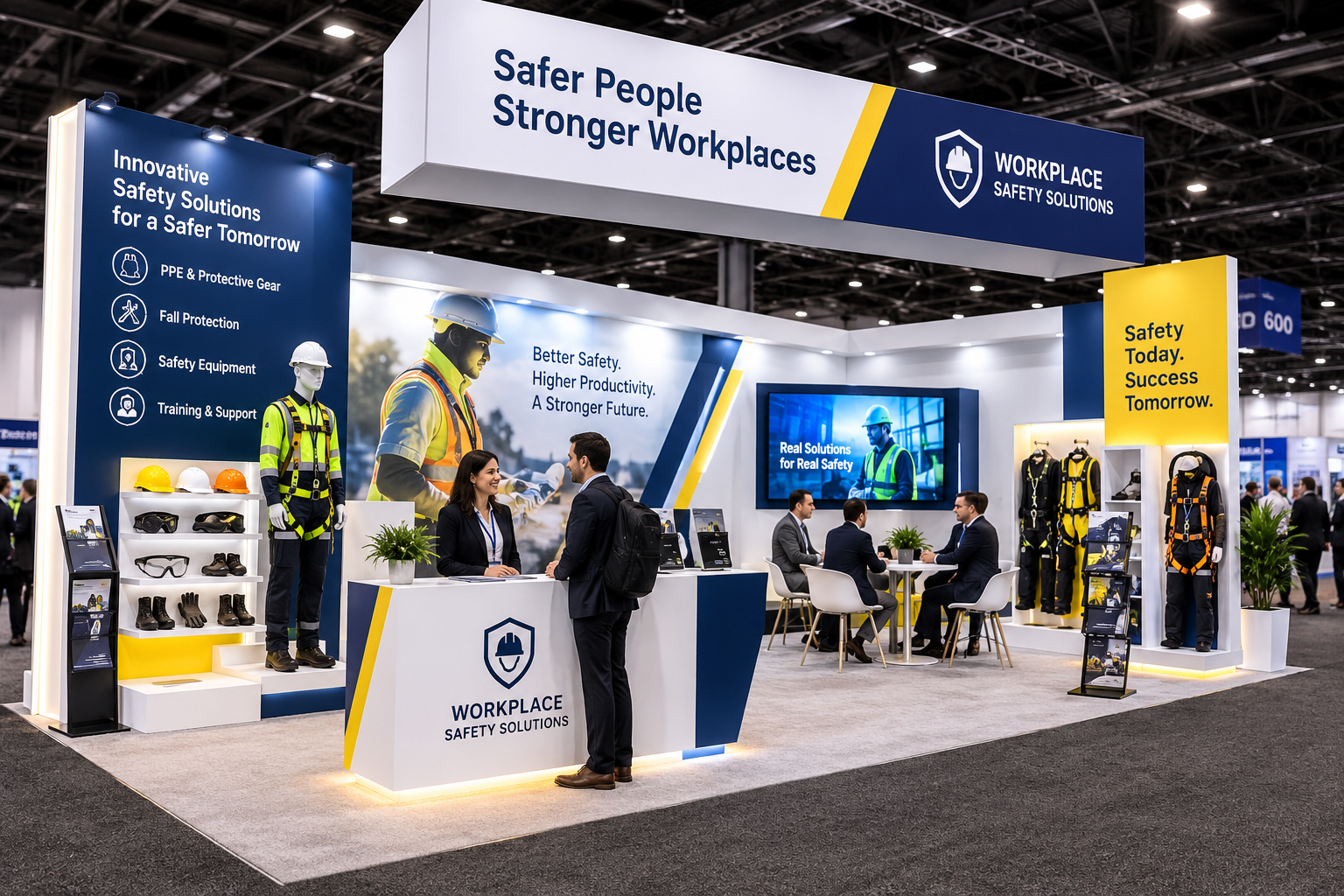
Planning an exhibition budget starts with understanding what it takes to design, build, transport, and install a booth that represents your brand effectively. For companies preparing to exhibit at the National Safety Council’s annual event, the total investment depends on booth size, design complexity, product displays, technology, and installation requirements. Working with experienced Booth builders for NSC Safety Congress & Expo can help you compare suitable providers, evaluate proposals, and create a booth that supports your marketing objectives without overspending.
The NSC Safety Congress & Expo attracts organizations involved in occupational safety, industrial hygiene, personal protective equipment, workplace training, emergency response, and risk management. Exhibitors often need to demonstrate products, communicate technical information, build relationships with safety professionals, and generate qualified leads. Because these objectives can require different booth features, there is no single price that applies to every exhibitor.
This guide explains the major cost components, the difference between rental and custom booths, the expenses that are easy to overlook, and practical ways to plan a realistic exhibition budget.
1. What Determines the Cost of an NSC Safety Congress & Expo Booth?
The total cost of a trade show booth is influenced by several connected decisions. Understanding them early helps you avoid paying for features that do not contribute to your objectives.
Booth size and floor space
The size of your exhibit is one of the first factors to consider. A compact booth may need only a branded backdrop, a counter, shelving, and a small demonstration area. A larger island exhibit may require multiple product stations, overhead signage, meeting spaces, storage, lighting, and dedicated visitor pathways.
A larger footprint generally means more materials, more graphics, additional furnishings, and greater labor requirements. However, size alone does not determine the final price. A compact booth with complex product demonstrations and custom fabrication can cost more than a larger, straightforward modular display.
Before committing to a design, confirm your assigned floor space, booth configuration, height restrictions, and the event's current exhibitor rules.
Design complexity
A simple modular booth usually requires less design and fabrication work than a fully customized structure. Custom curved walls, integrated display cabinets, architectural features, specialized lighting, and built-in demonstration areas can increase production costs.
Your design should reflect how visitors will interact with your brand. If the main objective is to demonstrate a new fall-protection system, for example, the budget may be better spent on a safe, well-planned demonstration area than on decorative structures that have little practical value.
Materials and finishes
Booths can use modular aluminum frames, fabric graphics, engineered panels, laminate finishes, wood elements, acrylic signage, or combinations of materials. Each option offers different advantages in terms of appearance, durability, portability, and reuse.
Premium finishes may create a polished impression, but they should be selected according to your brand requirements and expected return. Durable, reusable components can be particularly valuable for companies exhibiting at several industry events each year.
Technology and product demonstrations
Technology can make an exhibit more informative and engaging, but it also adds costs. Possible requirements include:
-
Large-format displays and monitors
-
Touchscreens and interactive product catalogs
-
Computers, tablets, and audiovisual equipment
-
Digital lead-capture systems
-
Demonstration equipment and safety barriers
-
Additional electrical connections and cable management
Not every booth needs all these features. Choose technology that helps visitors understand your products, compare solutions, or take a meaningful next step.
2. Understanding the Main Booth Budget Categories
A reliable budget separates booth construction from the other expenses involved in exhibiting. A builder's proposal may cover only some of the costs associated with the complete project, so ask for an itemized quotation.
Design and project management
Design costs can include concept development, layout planning, 3D visualizations, material selection, technical drawings, and coordination with event organizers. Project management may also cover supplier communication, production scheduling, and installation planning.
A detailed design process can help identify problems before fabrication begins. It is particularly important when your exhibit includes large equipment, complex product demonstrations, custom storage, or multiple visitor interaction zones.
Fabrication and structural components
Fabrication covers the physical construction of the booth. Depending on the design, it may include frames, walls, counters, cabinets, display stands, meeting areas, and branded architectural features.
Custom fabrication often requires a higher initial investment than a standardized modular system. However, a well-designed custom booth may be reused across several events, making the cost more reasonable when evaluated over its useful life.
Graphics and branding
Graphics communicate who you are, what you offer, and why visitors should stop. Costs vary according to the number of graphic panels, print quality, dimensions, finishing, and installation requirements.
For a safety-focused audience, messaging should be clear and easy to understand at a glance. A strong headline, product imagery, and a concise explanation of the benefit can be more effective than covering every surface with text.
Furniture, lighting, and electrical services
Tables, stools, counters, display cases, and meeting furniture may be purchased, rented, or supplied through a booth package. Lighting affects visibility and can help emphasize important product features.
Electrical requirements should be confirmed early. Screens, illuminated signs, computers, and demonstration equipment may require connections or power arrangements that are not included in the booth builder's basic quote.
Shipping, installation, and dismantling
Transporting booth components to the venue and returning them afterward can represent a meaningful part of the total budget. Shipping expenses depend on shipment dimensions, weight, origin, delivery timing, packaging, and handling requirements.
Installation and dismantling labor may be quoted separately. Depending on the event's rules and the type of work involved, specialized labor, material handling, or other venue services may also be required.
Ask the builder to specify which transport, labor, handling, and dismantling services are included rather than assuming the quoted construction price covers everything.
3. Rental Booth vs. Custom Booth: Which Is More Affordable?
One of the most important financial decisions is whether to rent a booth system or invest in a custom-built exhibit.
Rental booth systems
Rental booths generally use standardized components that can be configured for different exhibitors. They may include walls, graphics, counters, shelves, lighting, and basic furnishings, depending on the package.
Advantages of renting include:
-
Lower upfront investment compared with many fully custom designs
-
Reduced responsibility for long-term storage
-
Less need to transport and maintain owned structures
-
Flexibility for companies with changing booth sizes
-
Access to professional presentation without owning every component
Rental can be a practical choice for first-time exhibitors, companies testing the event's commercial potential, or businesses attending only occasionally.
However, customization options vary by provider. Confirm which elements can be branded, whether furniture and lighting are included, and what additional services cost extra.
Custom booth construction
A custom booth is designed around your brand, products, and visitor journey. It may incorporate specialized displays, unique architecture, integrated product demonstrations, or meeting spaces tailored to your sales process.
Potential advantages include:
-
Greater control over layout and visual identity
-
Better integration of specialized equipment
-
Reusable structures and components
-
More opportunities to create distinctive product experiences
-
Flexibility to support specific marketing and sales objectives
The initial investment can be higher, particularly when the structure requires extensive fabrication. Storage, maintenance, refurbishment, and transportation must also be considered.
How to compare the options financially
Do not compare a rental package with a custom-build quotation until you have confirmed that both include equivalent services.
Evaluate each option against the same requirements: booth dimensions, graphics, furniture, lighting, electrical needs, shipping, installation, dismantling, and any applicable venue services.
If you exhibit frequently, compare the total ownership cost across several events with the combined cost of renting. Include the expected lifespan of the booth and any expenses associated with adapting it to different venues.
The most economical choice is the one that meets your objectives at an acceptable total cost—not necessarily the one with the lowest initial quote.
4. How Booth Size Influences Your Budget
Your booth size should be based on business requirements rather than appearance alone.
Small booth spaces
A compact exhibit can work well for businesses with a focused product range or a specific lead-generation objective. A branded back wall, product shelving, a demonstration counter, and a small meeting area may be sufficient.
To make the most of a limited footprint, prioritize strong messaging, vertical product displays, organized storage, and an accessible visitor entrance.
Medium-sized exhibits
A medium-sized booth offers more flexibility for displaying several product categories, conducting demonstrations, and holding conversations with prospective customers.
For safety equipment manufacturers, the layout might include a PPE display, a demonstration station, a digital information screen, and a small area for sales discussions.
Additional zones should be included only when there is a clear purpose for them. Too many competing displays can make the booth feel crowded and increase construction costs.
Large and island exhibits
Larger exhibits may support multiple product demonstrations, educational activities, private meetings, and distinct brand experiences.
They can also require more complex structural engineering, greater quantities of graphics, additional lighting, and more installation coordination.
If you are considering a large booth, plan the visitor journey and staffing requirements before finalizing the design. An oversized space that lacks a clear visitor experience may cost more without generating proportionally greater results.
5. Hidden Costs Exhibitors Should Include in Their Budgets
Some expenses are easy to miss when reviewing an initial booth quotation. Identifying them early can help prevent last-minute budget pressure.
Venue and exhibitor services
Depending on the event's rules and the services you need, additional expenses may include electrical services, internet access, material handling, cleaning, rigging, and other venue-provided services.
Not every booth needs every service. Review the current exhibitor manual to determine what applies to your assigned space.
Product transportation and handling
Safety equipment, machinery, protective systems, and demonstration units may require separate shipping arrangements. Heavy or oversized items can involve special handling and additional coordination.
Ask whether the builder can coordinate product logistics and whether its proposal includes receiving, moving, positioning, and securing the equipment.
Travel and staffing
Your overall exhibition budget should account for employee travel, accommodation, meals, and staffing-related expenses. These items are separate from booth construction but contribute to the total cost of participating.
A complicated booth may also require additional staff to manage demonstrations, technical questions, and lead collection.
Storage and refurbishment
If you own a custom booth, you may need storage between events. Graphics may require replacement, components can become damaged, and layouts may need modification for future venues.
Ask the builder how the structure can be packed, stored, maintained, and adapted for subsequent shows.
Contingency planning
Set aside a contingency allowance for unforeseen expenses. The appropriate amount depends on the project's complexity, the reliability of supplier quotations, and how much uncertainty remains.
The purpose of a contingency is to manage genuine surprises—not to compensate for an incomplete budget or an unclear scope of work.
6. How to Get Accurate Quotes from Booth Builders
Comparing proposals becomes easier when every provider receives the same project requirements.
Prepare a detailed brief
Your brief should include:
-
Event name, dates, and confirmed booth dimensions
-
Booth configuration and applicable venue restrictions
-
Company branding guidelines and messaging
-
Products or equipment that must be displayed
-
Demonstration and visitor interaction requirements
-
Furniture, lighting, electrical, and technology needs
-
Shipping origin and expected delivery arrangements
-
Installation, dismantling, and storage requirements
-
Budget expectations and project milestones
A detailed brief helps builders recommend appropriate solutions instead of making assumptions that lead to revisions later.
Request itemized proposals
Ask each builder to separate design, fabrication or rental components, graphics, furniture, logistics, labor, and project management. Request clarification on taxes, venue services, and any other applicable charges.
The goal is to understand the complete cost of delivering the booth—not simply the price of constructing its physical structure.
Check experience and project capability
Look for providers with relevant trade show experience and the ability to manage your specific requirements. For a safety industry exhibit, experience with product demonstrations, technical equipment, durable displays, and visitor flow may be particularly useful.
Review portfolios, references, communication practices, production capabilities, and the process for managing changes.
Clarify revisions and payment terms
Ask how many design revisions are included, what happens if specifications change, and when payments are due. Confirm the deadlines for artwork approval and final design sign-off.
These details can help you avoid unexpected charges and reduce the likelihood of costly changes near the event.
Compare value, not just price
A low quotation may exclude services that another provider includes. A higher quotation may offer better materials, more comprehensive logistics, or stronger project coordination.
Compare the proposals line by line, identify exclusions, and ask each builder to explain any major differences.
7. Practical Ways to Reduce Booth Construction Costs
Cost control does not have to mean compromising your brand presentation. A few strategic choices can reduce expenses while maintaining a professional exhibit.
Reuse modular components
A modular structure can be adapted for different booth sizes and configurations. Reusing frames, counters, shelving, and lighting may reduce future fabrication and shipping requirements.
Choose components that can be updated with new graphics rather than rebuilding the entire booth for each event.
Keep the design focused
Every custom feature should serve a purpose. Prioritize the elements visitors need to see, understand, or interact with. Eliminate decorative features that do not support your objectives.
A clear layout with a strong message can create a better visitor experience than a more elaborate design with no obvious focal point.
Use graphics strategically
Instead of printing large amounts of text, use a strong headline, a small number of key benefits, and relevant product visuals. Keep technical details available through brochures, QR codes, or digital resources.
This approach can improve readability and may reduce the number and complexity of graphic elements required.
Rent items that do not need customization
Furniture, monitors, and certain display accessories may be more economical to rent than to purchase and transport. Ask your builder to identify which items offer the best balance of cost and convenience.
Plan early
Starting early gives you more time to compare proposals, approve designs, coordinate logistics, and resolve technical issues. Late changes can create rush charges, additional shipping costs, or expensive production adjustments.
Early planning also helps you avoid choosing a provider based solely on immediate availability.
Track spending throughout the project
Maintain a budget that separates confirmed costs, estimated costs, and optional upgrades. Record approved changes as they occur and review the remaining contingency regularly.
This simple practice makes it easier to make informed trade-offs before the project exceeds its budget.
8. Measure Booth Value Beyond Construction Cost
A booth should be evaluated according to what it helps your business accomplish. Construction cost is only one part of the investment.
Before the event, establish measurable goals such as qualified leads, product demonstrations, scheduled meetings, distributor conversations, or opportunities with target accounts.
During the event, use a consistent lead-capture process and record relevant information about visitor interests. Afterward, follow up promptly and assess how many leads progress into meaningful sales conversations.
A basic way to evaluate the cost of lead generation is:
Cost per qualified lead = Total exhibition investment ÷ Number of qualified leads
For a broader view, include booth construction, event participation, travel, staffing, and other relevant expenses in the total investment. Use a consistent definition of a qualified lead when comparing results across events.
Revenue attribution may take time, especially when industrial safety products involve technical evaluations, procurement processes, or multiple decision-makers. Track pipeline development and eventual sales rather than judging the booth entirely by immediate revenue.
A more expensive booth can be worthwhile if it supports valuable product demonstrations and generates stronger commercial opportunities. Conversely, a less expensive exhibit may be the better investment when it meets your goals with fewer resources.
9. A Sample Budget Planning Framework
Rather than relying on a generic price estimate, build a budget around your actual project scope. The following framework can help you organize quotations and identify missing expenses.
| Budget category | What to include |
|---|---|
| Design and planning | Concept, layout, renderings, technical drawings |
| Booth construction | Fabrication or rental structure and components |
| Branding | Printed graphics, signage, logos, product messaging |
| Furniture and displays | Counters, shelving, seating, display cases |
| Technology | Screens, computers, interactive displays, lead capture |
| Utilities and venue services | Power, internet, handling, cleaning, applicable services |
| Logistics | Freight, packing, storage, transportation, return shipping |
| Labor | Installation, dismantling, and any required specialist labor |
| Staffing and travel | Accommodation, travel, meals, staff-related expenses |
| Contingency | Allowance for unforeseen or approved additional costs |
Request a total project estimate and an itemized breakdown from each shortlisted provider. Mark costs as confirmed, provisional, or excluded so you can compare quotations accurately.
If you have a fixed spending limit, tell prospective builders early. They can then recommend a practical configuration, identify optional features, and suggest where reusable or rental components could reduce the overall cost.
10. Final Checklist Before Approving Your Booth Budget
Before signing a contract or authorizing fabrication, verify that you have addressed the following points:
-
Booth dimensions and event regulations have been confirmed.
-
The design supports your marketing and sales objectives.
-
Product displays and demonstration requirements are documented.
-
Graphics, furniture, lighting, and technology are clearly specified.
-
Shipping, handling, installation, and dismantling have been reviewed.
-
Applicable venue services and additional charges have been identified.
-
Storage, maintenance, and future reuse have been considered.
-
The quotation clearly identifies inclusions and exclusions.
-
Payment milestones, revision limits, and change-order terms are understood.
-
A contingency allowance has been included.
-
Success metrics and post-event follow-up plans are in place.
Completing this checklist before committing to a booth builder can help you control costs, reduce uncertainty, and keep the project aligned with your goals.
Conclusion
The cost of building a trade show booth for NSC Safety Congress & Expo depends on your booth size, design, construction method, branding, technology, logistics, and venue requirements. Rental systems can offer flexibility and lower upfront investment, while custom booths may provide greater control over product presentation and long-term reuse. The best approach is to define your objectives, prepare a detailed brief, compare itemized proposals, and evaluate the complete cost of exhibiting rather than focusing only on construction. To compare providers and identify a suitable partner for your project, explore Booth builders for NSC Safety Congress & Expo and take the next step toward planning an effective, budget-conscious exhibition presence.
 Dutch
 English
 Arabic
 French
 Spanish
 Portuguese
 Deutsch
 Turkish
 Italiano
 Russian
 Romaian
 Portuguese (Brazil)
 Greek