


Lawn Burr Remover: How to Get Rid of Sticker Burrs in Your Yard
A backyard should be a place where you can relax, let the dog run around, or spend an afternoon outside with your family. But when sharp sticker burrs start covering the grass, even a short walk across the yard can become uncomfortable.
These prickly seeds can stick to shoes, catch in pet paws, and make it difficult to enjoy your outdoor space. They can also end up inside your home after being carried in on clothing, shoes, or pet fur.
If you have been dealing with this problem, finding the right lawn burr remover can make yard maintenance much easier. The best approach depends on how widespread the problem is, whether the burrs are still attached to plants, and how much ground you need to cover.
Why Do Sticker Burrs Keep Coming Back?
Sticker burrs are produced by different types of weeds, including puncturevine, commonly known as goathead, and certain grass burrs. Their sharp seed pods can spread across lawns, garden edges, driveways, and other outdoor areas.
The frustrating part is that removing the visible weeds does not necessarily get rid of every burr. Seeds that have already fallen onto the ground can remain there even after the plants are cut or treated.
That is why a good removal routine should address two things: the plants producing the burrs and the loose seeds already scattered across the yard.
4 Ways to Remove Lawn Burrs
1. Remove the Weeds Before They Spread More Seeds
Start by identifying the plants responsible for the burrs. If they are still growing, remove them before mature seed pods have a chance to spread further.
For small patches, hand removal or a suitable garden tool may be enough. Wear sturdy gloves and protective footwear, and avoid handling prickly seed heads directly.
Be careful when moving plants that already have mature burrs. Shaking or dragging them across the lawn can spread more seeds into nearby areas.
2. Collect Loose Burrs From the Ground
Once the plants have been addressed, focus on the burrs already lying in the grass or on the soil.
Picking them up by hand can work in a small area, but it becomes tedious when burrs cover a large section of the yard. It also means repeatedly handling sharp seed pods, even when wearing gloves.
A mechanical lawn burr remover offers another option. These tools are designed to collect loose burrs from the surface, making them useful when the problem extends beyond a few isolated patches.
3. Use a Lawn Burr Remover for Larger Areas
When sticker burrs keep appearing across your yard, collecting them individually may not be practical. A dedicated roller can help speed up the process.
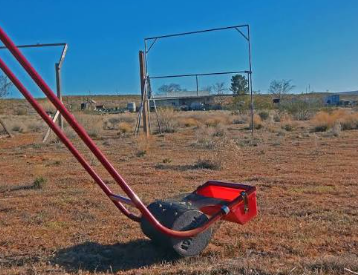
The Sticker Burr Roller is designed to collect loose goatheads, grass burrs, and other prickly seeds. As the roller moves across the ground, its foam surface catches the burrs. A conveyor screen then removes them from the roller and drops them into a collection tray.
This design lets you gather loose burrs without picking up each one by hand. Push models are intended for residential yards, while pull-behind models are available for larger properties.
For best results, mow the lawn first when appropriate, remove heavy weed growth, and roll over affected areas more than once if necessary. Lightly raking the area beforehand can also help expose burrs hidden beneath loose grass or debris.
Keep in mind that a roller collects burrs on the surface. It is not a replacement for removing the plants that continue producing new seeds.
4. Make Burr Prevention Part of Regular Lawn Care
After cleaning up the existing burrs, take steps to limit future growth.
Check the lawn regularly, particularly along fence lines, pathways, garden borders, and other spots where weeds tend to appear. Remove young weeds before they produce mature seed pods, and keep suitable areas of the lawn healthy enough to compete with unwanted growth.
If you use weed control products, choose a method appropriate for the specific plant and follow the product label carefully. Consider the presence of children, pets, and other animals when selecting and applying treatments.
Most importantly, do not assume one cleanup session will solve a heavy infestation permanently. Regular inspections and follow-up removal can help prevent the problem from building up again.
How to Choose the Right Lawn Burr Remover
Not every tool is suited to every yard. Before choosing one, consider the size of the affected area, the type of burrs you are dealing with, and the condition of the ground.
For a small patch, gloves and a hand tool may be all you need. For a residential lawn with widespread loose burrs, a push-style roller may save time and reduce direct handling. If you need to cover a larger property or pasture, a pull-behind model may be more practical.
The ground itself matters, too. Mechanical rollers generally work best on relatively flat grass or soil where the burrs are accessible on the surface. Burrs buried between rocks or beneath dense vegetation may require additional work.
Choosing a tool that fits your property will make cleanup more manageable and help you build a routine you can maintain.
Enjoy Your Yard Without Constant Burr Cleanup
Sticker burrs can turn an otherwise enjoyable lawn into a frustrating space to maintain. The good news is that you do not have to rely on hand-picking every seed or focus only on the weeds you can see.
Combining weed removal, surface cleanup, and regular lawn maintenance offers a more practical way to manage the problem. If loose burrs cover a large part of your yard, a dedicated lawn burr remover such as the Sticker Burr Roller may help make the cleanup process easier.
With consistent attention, you can reduce the number of prickly seeds around your property and make your outdoor space more comfortable for everyday use.
Frequently Asked Questions
What is the best lawn burr remover?
The best option depends on the size of your yard and the type of burrs present. Hand tools can work for small patches, while a dedicated burr roller can help collect loose seeds across larger areas.
Does a lawn burr remover kill the weeds?
No. A roller designed to collect burrs removes loose seeds from the ground but does not eliminate the plants producing them. Weed removal and ongoing lawn care are still important.
Can a burr roller pick up goatheads?
Yes. The Sticker Burr Roller is designed to collect loose goatheads and several other types of prickly burrs from suitable ground surfaces.
How can I stop sticker burrs from coming back?
Remove weeds before they produce mature seeds, collect loose burrs, and inspect problem areas regularly. Because seeds may remain in the soil, follow-up maintenance is often necessary.
Is a lawn burr remover suitable for every surface?
Not necessarily. Rollers work best on relatively flat grass and soil where burrs are exposed. Gravel, dense vegetation, and uneven ground may require additional preparation or a different removal method.

 Arabic
 French
 Spanish
 Portuguese
 Deutsch
 Turkish
 Dutch
 Italiano
 Russian
 Romaian
 Portuguese (Brazil)
 Greek