


Mounjaro Injection Before and After: What to Expect
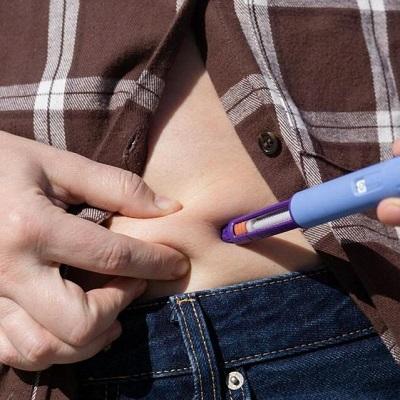
Mounjaro injection has gained considerable attention as a treatment option for adults managing type 2 diabetes, with weight loss being an important effect for many people who use it. As interest in this medication grows, people often want to understand what happens before and after starting treatment, how quickly results may appear, and what changes they can realistically expect over time.
Understanding the Mounjaro Injection before-and-after journey involves more than looking at changes on the weighing scale. The medication may influence appetite, eating habits, blood sugar levels, and overall metabolic health. However, results differ from person to person and depend on factors such as the prescribed dose, treatment duration, lifestyle habits, and individual health conditions.
This guide explains how Mounjaro injection works, what to expect during the first few weeks, how results may develop over several months, and which precautions can help support a safer treatment experience.
1. What Is Mounjaro Injection and How Does It Work?
Mounjaro is the brand name for tirzepatide, a prescription medication administered as a subcutaneous injection, meaning it is injected beneath the skin. It is primarily approved to improve blood sugar control in adults with type 2 diabetes, alongside diet and physical activity. Depending on the country and regulatory approval, tirzepatide may also be prescribed under a different brand name for chronic weight management in eligible individuals.
The medication works by activating two hormone receptors: glucose-dependent insulinotropic polypeptide (GIP) and glucagon-like peptide-1 (GLP-1). These hormones help regulate blood sugar, appetite, and the body's response to food.
Mounjaro can support blood sugar management by helping the body release insulin when glucose levels are elevated. It also reduces the release of glucagon when appropriate and slows stomach emptying, particularly during the early stages of treatment. These effects can help some people feel full sooner and remain satisfied for longer after eating.
For individuals using Mounjaro for an approved indication, these effects may contribute to improvements in blood glucose control and reductions in body weight over time.
It is important to understand that Mounjaro is not a quick-fix solution. It works best when used according to a healthcare professional's instructions and combined with sustainable lifestyle habits.
2. Mounjaro Injection Before Treatment: What Should Be Expected?
Before starting Mounjaro injection, a healthcare professional typically reviews the individual's medical history, current medications, blood sugar levels, weight-related health concerns, and treatment goals. This assessment helps determine whether the medication is appropriate and which starting dose is suitable.
The initial consultation is also an opportunity to discuss realistic expectations. Some people hope to see immediate weight loss, while others are primarily interested in improving their blood sugar levels. Understanding the intended treatment goal can help establish a more meaningful way to monitor progress.
Medical assessment and preparation
Before treatment begins, several factors may need consideration:
-
Medical history: A history of pancreatitis, gallbladder disease, diabetic eye disease, or significant digestive problems may influence treatment decisions.
-
Current medications: People taking insulin or sulfonylureas may need closer blood sugar monitoring because combining these medications with Mounjaro can increase the risk of hypoglycemia.
-
Pregnancy considerations: Tirzepatide is generally not recommended during pregnancy for weight management. Anyone who is pregnant, planning pregnancy, or breastfeeding should discuss treatment suitability with a healthcare professional.
-
Personal and family history: Mounjaro carries a boxed warning in the United States concerning thyroid C-cell tumors observed in rodents. It should not be used by people with a personal or family history of medullary thyroid carcinoma or multiple endocrine neoplasia syndrome type 2 under US prescribing guidance.
A healthcare professional may also record baseline measurements, including weight, blood pressure, and relevant laboratory results. These measurements provide a useful reference for evaluating changes during treatment.
What about eating habits before the first injection?
There is usually no need for a special pre-injection diet unless specific instructions are provided. However, establishing balanced eating habits before treatment can make the adjustment period easier.
Meals that contain protein, vegetables, fiber-rich carbohydrates, and healthy fats can support overall nutrition. Staying hydrated and avoiding unusually large meals may also help reduce digestive discomfort when treatment begins.
3. Mounjaro Injection After the First Few Weeks: Early Changes to Expect
The first few weeks after starting Mounjaro injection are often a period of adjustment. Some individuals notice a reduced appetite relatively early, while others experience more gradual changes. There is no single timeline that applies to everyone.
Treatment commonly begins at a low dose of 2.5 mg once weekly for four weeks. This initial dose is intended to help the body adjust to the medication rather than provide full blood sugar control. A healthcare professional may then increase the dose according to the prescribed schedule, treatment response, and tolerability.
Changes in appetite and food intake
One of the earliest noticeable effects may be feeling satisfied after eating smaller portions. Some people report fewer cravings or less interest in snacking between meals.
These changes can make it easier to reduce overall calorie intake without feeling as hungry as before. However, appetite suppression can vary, and not everyone experiences a dramatic difference immediately.
Eating slowly, choosing smaller meals, and stopping when comfortably full may help reduce nausea and bloating. Even when appetite decreases, adequate protein, fluids, vitamins, and minerals remain important.
Early weight changes
Some individuals notice a change in body weight during the first month, but the amount can vary substantially. Early fluctuations may reflect changes in food intake, fluid balance, and digestive patterns as well as changes in body fat.
It is also normal for weight loss to be modest or inconsistent during the initial weeks. Because the starting dose is low, more noticeable changes may develop after gradual dose increases and continued treatment.
Possible digestive side effects
Common side effects include nausea, diarrhea, constipation, vomiting, abdominal discomfort, and reduced appetite. These symptoms are often more noticeable when treatment starts or after a dose increase, although some people experience few or no side effects.
Smaller meals, eating slowly, drinking fluids regularly, and limiting foods that trigger discomfort may help. Persistent or severe symptoms should be discussed with a healthcare professional rather than managed by changing the dose independently.
4. Mounjaro Injection Before and After 1 to 6 Months: Understanding Results
The results of Mounjaro injection generally develop over time. Comparing progress at different stages can help explain why patience and regular follow-up are important.
After one month
During the first month, some people begin to notice reduced hunger, earlier fullness, and changes in portion sizes. Individuals using the medication for type 2 diabetes may also begin to see improvements in their blood glucose readings.
Weight loss may occur, but it is not guaranteed. Because the initial dose is primarily intended to improve tolerability, the first four weeks may not reflect the medication's eventual effects.
After two to three months
As treatment continues and the prescribed dose is adjusted when appropriate, appetite-related effects may become more noticeable. Some individuals experience more consistent changes in eating habits and a gradual downward trend in body weight.
Blood sugar improvements may also become clearer through home monitoring and follow-up laboratory testing. The extent of improvement depends on the person's starting glucose levels, medication regimen, and other health factors.
At this stage, tracking weight averages, waist measurements, blood sugar readings when relevant, and overall well-being can provide a broader picture of progress.
After four to six months
By this point, individuals who tolerate treatment and continue using it as prescribed may experience more substantial changes in body weight and metabolic health.
Clinical trials involving tirzepatide have demonstrated meaningful average weight reductions over longer treatment periods in adults with obesity or overweight and relevant health conditions. However, those results were measured under specific study conditions and should not be interpreted as a guarantee for an individual.
The degree of change depends on dose, treatment duration, adherence, diet, physical activity, medical history, and individual response. Some people lose weight steadily, while others experience plateaus or smaller changes.
A plateau does not automatically mean that treatment has stopped working. Weight regulation involves several biological processes, and progress may slow as body weight decreases. Treatment goals and medication suitability should be reviewed with a healthcare professional rather than changing the dose independently.
5. How to Support Better Mounjaro Injection Results Safely
Although Mounjaro can support blood sugar management and weight reduction, daily habits remain important. A balanced approach can help preserve muscle mass, maintain nutrition, and support long-term health.
Prioritize balanced nutrition
Reduced appetite can make it difficult to consume enough nutrients. Regularly choosing protein-rich foods, vegetables, fruit, whole grains, and appropriate sources of healthy fats can help maintain nutritional balance.
Protein is particularly important during weight loss because it supports muscle maintenance. Suitable options may include eggs, fish, poultry, beans, lentils, yogurt, tofu, and other protein-rich foods that fit individual dietary needs.
Large, greasy, or very rich meals may worsen digestive symptoms in some individuals. Smaller portions and slower eating can make meals more comfortable.
Stay hydrated
Vomiting and diarrhea can contribute to dehydration, particularly when appetite and fluid intake are already reduced. Drinking water regularly throughout the day can help maintain hydration.
People with kidney disease, heart failure, or prescribed fluid restrictions should follow their healthcare professional's guidance on appropriate fluid intake.
Include regular physical activity
A combination of aerobic activity and strength training can support cardiovascular health, mobility, and muscle preservation during weight loss. Walking, cycling, swimming, and resistance exercises may be suitable depending on fitness level and medical circumstances.
Individuals who are new to exercise can begin gradually and increase activity as tolerated.
Follow the prescribed injection schedule
Mounjaro is generally administered once weekly under the skin of the abdomen, thigh, or upper arm. Injection sites should be rotated, and the medication should be used according to the product instructions.
The dose should never be increased, reduced, or discontinued without appropriate medical guidance. People using other glucose-lowering medications may require adjustments to their overall treatment plan.
Regular follow-up appointments can help evaluate side effects, glucose control, weight trends, nutritional intake, and whether the treatment remains appropriate.
6. Risks, Safety Precautions, and When to Seek Medical Advice
Understanding possible risks is an essential part of evaluating the Mounjaro injection before-and-after experience. Although many people tolerate treatment, side effects and complications can occur.
Common adverse effects include nausea, diarrhea, constipation, vomiting, abdominal pain, and indigestion. These symptoms may improve as the body adjusts, but persistent problems deserve medical attention.
Several less common but potentially serious complications require particular awareness.
Severe abdominal pain: Persistent or intense abdominal pain, especially if it spreads to the back or occurs with vomiting, may indicate pancreatitis and requires urgent medical evaluation.
Gallbladder problems: Pain in the upper-right abdomen, fever, or yellowing of the skin or eyes may indicate a gallbladder or bile duct problem.
Dehydration and kidney concerns: Repeated vomiting or diarrhea can cause significant fluid loss and may worsen kidney function.
Low blood sugar: Hypoglycemia is more likely when Mounjaro is combined with insulin or certain other diabetes medications. Symptoms may include sweating, shakiness, dizziness, confusion, and a rapid heartbeat.
Allergic reactions: Swelling of the face or throat, difficulty breathing, or other signs of a severe allergic reaction require emergency medical care.
Mounjaro also delays stomach emptying, which may affect the absorption of some oral medicines. People scheduled for surgery or procedures involving anesthesia or deep sedation should inform their care team that they use tirzepatide because delayed stomach emptying can increase the risk of complications.
For people using oral hormonal contraceptives, US prescribing information advises switching to a non-oral contraceptive method or adding a barrier method for four weeks after starting Mounjaro and for four weeks after each dose increase, because contraceptive effectiveness may be reduced during these periods.
A healthcare professional should review the complete medication list, relevant medical history, and individual risks before treatment begins.
Frequently Asked Questions About Mounjaro Injection
1. How quickly does Mounjaro injection start working?
Mounjaro begins acting on the body's hormone pathways after administration, and blood sugar changes may occur before substantial weight loss becomes noticeable. Appetite changes may appear within the first few weeks, but the timing and extent vary. Meaningful weight changes often develop gradually over several months.
2. How much weight can someone lose with Mounjaro injection in one month?
There is no fixed amount of weight loss that applies to everyone. Some people notice early changes, while others experience little weight change during the first month. Starting weight, dose, appetite response, dietary habits, activity level, and individual health all influence results.
3. Does Mounjaro injection reduce belly fat?
Mounjaro may help reduce overall body fat by supporting weight loss. As total body fat decreases, abdominal fat may also decline. However, the medication does not selectively target belly fat, and the amount of change around the waist varies between individuals.
4. What happens if weight loss slows down while using Mounjaro?
Weight loss often slows after an initial period because the body adapts to changes in body weight and energy requirements. A plateau does not necessarily mean the treatment has failed. Reviewing nutrition, physical activity, adherence, side effects, and treatment goals with a healthcare professional may help determine the next steps.
5. Can Mounjaro injection be used without diet and exercise changes?
Mounjaro can improve blood sugar control and support weight loss through its effects on appetite and metabolism. However, balanced nutrition and regular physical activity remain important for overall health, muscle preservation, and sustainable results. The medication should be used as part of an appropriate treatment plan.
6. Will the weight return after stopping Mounjaro injection?
Weight regain is possible after discontinuing treatment. Research has shown that many participants regain some of the weight they lost after stopping tirzepatide, although individual outcomes vary. A healthcare professional can help plan ongoing weight management and determine whether continued treatment is appropriate.
Final Thoughts
The Mounjaro injection before-and-after journey can involve meaningful changes in appetite, blood sugar control, eating patterns, and body weight. Some individuals notice early effects within the first few weeks, while more substantial weight changes generally require continued treatment and time.
Realistic expectations are essential. Results are influenced by the prescribed dose, treatment duration, individual response, nutrition, physical activity, and overall health. Side effects and potential complications also need careful consideration.
Mounjaro should be used under appropriate medical supervision, with regular follow-up to monitor effectiveness and safety. Rather than focusing only on before-and-after photographs or numbers on the weighing scale, a more complete assessment considers metabolic health, physical function, nutritional well-being, and sustainable progress.
Read More About Mounjaro Injection: https://u-ssr.com/read-blog/18376
 Italiano
 English
 Arabic
 French
 Spanish
 Portuguese
 Deutsch
 Turkish
 Dutch
 Russian
 Romaian
 Portuguese (Brazil)
 Greek