


Armed Forces Weight Requirements: Military Standards Guide
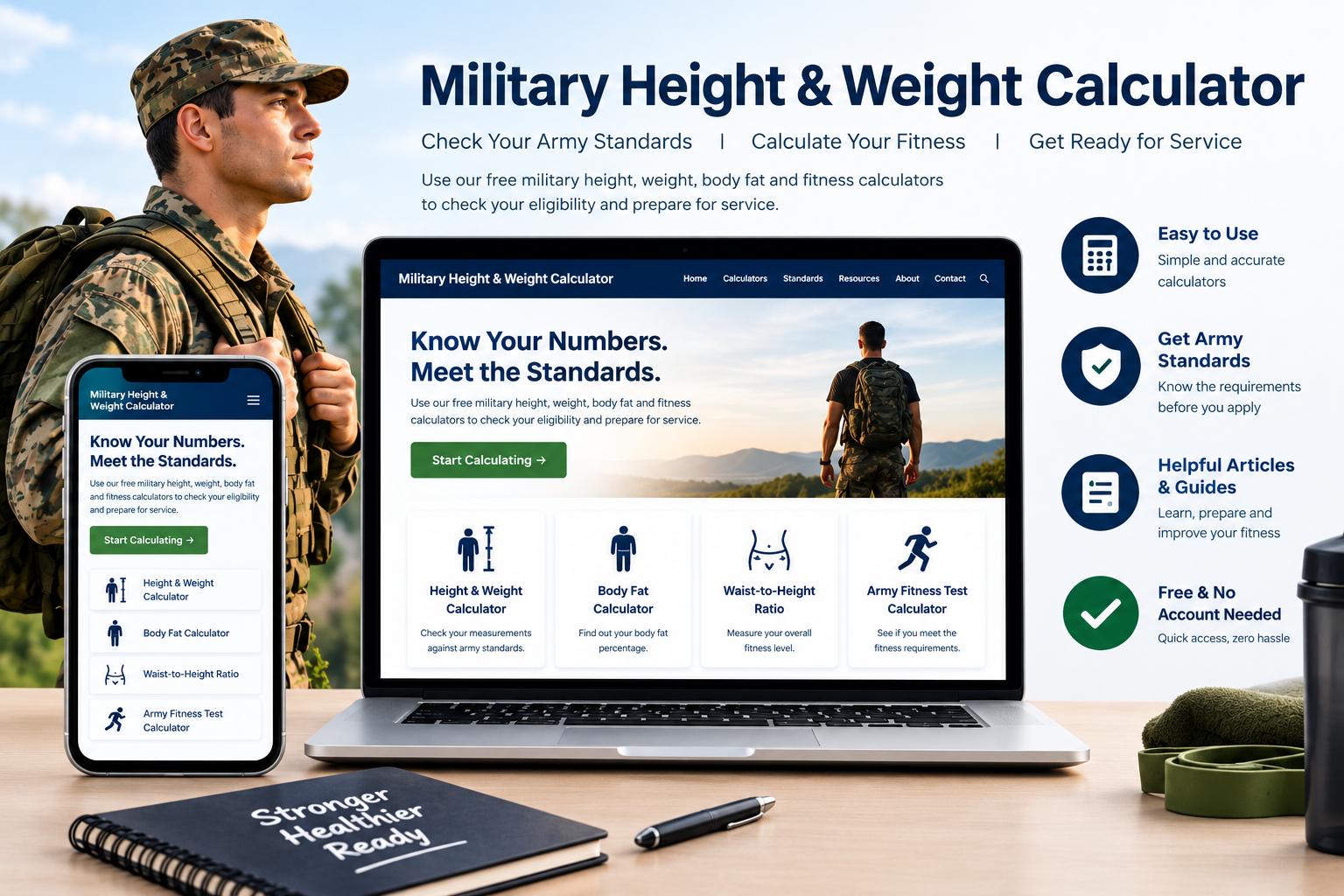
Armed Forces Weight Requirements help military applicants and active-duty personnel understand the physical standards associated with military service. Each U.S. military branch has its own policies for evaluating height, weight, and body composition. Understanding these requirements can help applicants prepare for enlistment and serving members maintain physical readiness.
What Are Armed Forces Weight Requirements?
Armed Forces Weight Requirements are guidelines used to assess whether an individual meets the applicable body composition standards for military service. Depending on the branch and service status, evaluations may include height, weight, waist circumference, or other body composition measurements.
The Army, Navy, Marine Corps, Air Force, Space Force, and Coast Guard may follow different assessment procedures. Therefore, applicants should understand the rules that apply to their selected branch rather than assuming one standard applies to everyone.
Military Height and Weight Standards
Military height and weight standards help assess physical eligibility. Some assessments use height and weight tables, while others include additional measurements to estimate body composition.
The applicable standards may vary according to age, sex, recruitment category, and whether an individual is joining or already serving. Meeting a weight requirement does not automatically guarantee enlistment, because applicants must also satisfy medical, fitness, and other eligibility criteria.
How Is Military Body Composition Measured?
Military body composition assessments may involve several measurements:
-
Height: Measures a person's standing height.
-
Weight: Records body weight using an approved scale.
-
Waist circumference: Measures the waist according to the applicable branch instructions.
-
Body composition estimate: Certain procedures use measurements to estimate body fat or assess body proportions.
Some branches use specific screening methods, while others require additional assessments if initial measurements fall outside the permitted range.
How to Prepare for a Military Weight Assessment
Preparing for an assessment starts with understanding the applicable standards and measuring your body accurately.
-
Measure your height without shoes.
-
Record your weight using a reliable scale.
-
Measure your waist according to your branch's instructions.
-
Maintain a balanced diet and consistent exercise routine.
-
Get enough sleep and stay hydrated.
-
Ask your recruiter or unit representative about the current assessment procedure.
A calculator can help estimate measurements, but it cannot provide an official eligibility decision.
Why Do Weight Requirements Matter?
Military service can involve physically demanding training and operational responsibilities. Body composition assessments are part of the broader effort to evaluate physical readiness and compliance with service policies.
Understanding Armed Forces Weight Requirements before an assessment can help applicants identify which measurements they need to prepare for. Current serving personnel should also remain aware of changes to their branch's policies.
Frequently Asked Questions
Are weight requirements the same across all military branches?
No. Each branch has its own applicable body composition policies and assessment procedures.
Can I join the military if I exceed a weight limit?
Eligibility depends on the branch, the applicable standards, and the results of any required additional assessment. Speak with a recruiter to understand your options.
Can an online calculator confirm eligibility?
No. An online calculator provides an estimate only. Official personnel determine eligibility using the relevant procedures.
Conclusion
Understanding Armed Forces Weight Requirements can help military applicants prepare for enlistment and active-duty personnel understand body composition expectations. Because requirements differ among the military branches and may change over time, always identify the standards that apply to your specific situation. Accurate measurements, healthy habits, and preparation can help you approach a military physical assessment with greater confidence.

 English
 French
 Spanish
 Portuguese
 Deutsch
 Turkish
 Dutch
 Italiano
 Russian
 Romaian
 Portuguese (Brazil)
 Greek