


Beauty Therapist Level 3 for Developing Advanced Treatment Expertise
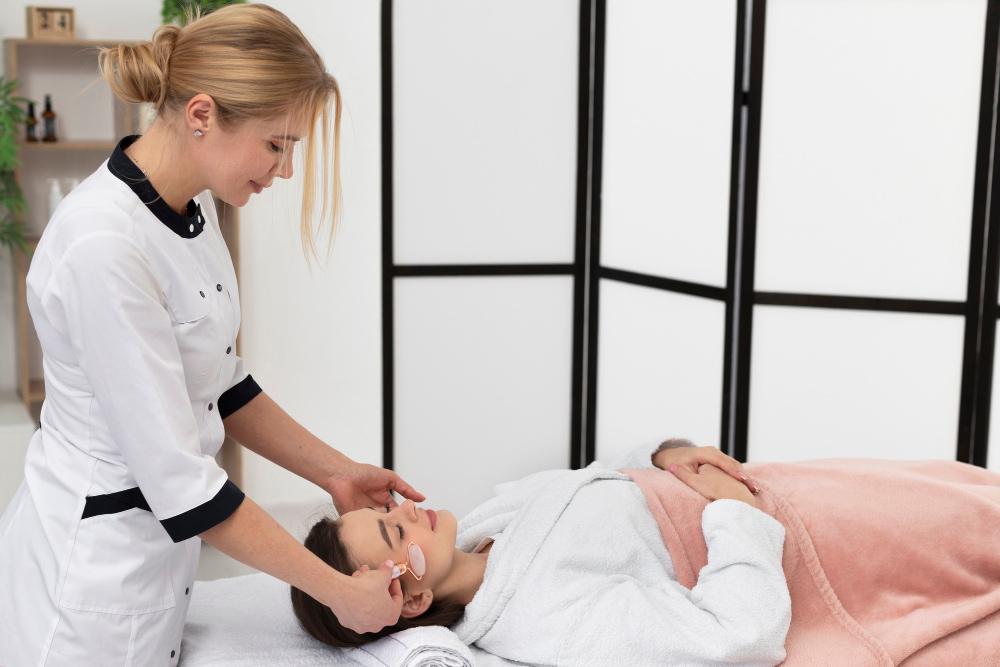
The beauty industry offers a variety of professional opportunities for individuals who want to develop advanced treatment knowledge and strengthen their practical abilities. Progressing beyond introductory education can help learners understand more detailed skincare principles, professional consultation, treatment planning, and client care. A beauty therapist level 3 qualification can provide a structured learning pathway for individuals seeking to expand their understanding of beauty therapy and prepare for suitable career opportunities. With appropriate education, supervised practice, and a commitment to professional standards, learners can build the knowledge required to progress confidently within the beauty and wellness sector.
Understanding Advanced Beauty Therapy Education
Advanced beauty therapy education builds upon foundational knowledge and introduces learners to more detailed treatment principles. Depending on the qualification, students may study facial treatments, skin analysis, electrical beauty equipment, body treatments, professional consultation, and workplace health and safety. These subjects help learners understand how different services are selected and delivered according to client needs. A structured programme also explains the importance of maintaining hygiene, following treatment procedures, and recognising professional limitations. Understanding these principles helps students prepare for the responsibilities associated with providing beauty services in a professional environment.
Developing Detailed Skincare Knowledge
Skincare knowledge is central to many beauty therapy services because clients have different skin characteristics, concerns, and treatment objectives. Advanced education may introduce learners to skin structure, common skin conditions, product ingredients, and the principles behind professional facial treatments. Students can explore how cleansing, exfoliation, moisturising, and other suitable procedures contribute to a treatment plan. They should also learn to recognise when a skin concern requires assessment by an appropriately qualified healthcare professional. A stronger understanding of skincare supports informed product selection and helps therapists communicate accurately without making unsupported claims about treatment outcomes.
Building Professional Facial Treatment Skills
Facial treatments require careful preparation, suitable product selection, and consistent application of professional procedures. Training may cover skin cleansing, facial massage, exfoliation, mask application, and finishing products, depending on the course content. Learners should understand how to adapt treatments according to client consultation findings and relevant safety considerations. Practical sessions can help students improve coordination, timing, and attention to detail under appropriate supervision. Developing these skills also involves learning when a treatment is unsuitable and how to explain alternative options. Consistent practice supports professional confidence while reinforcing the importance of client comfort and hygiene.
Improving Client Consultation Techniques
A professional consultation helps establish client expectations and identify factors that may affect treatment suitability. Learners should develop the ability to ask relevant questions, understand client preferences, review appropriate health information, and explain proposed services clearly. Consultation also involves discussing realistic results, potential reactions, aftercare, and any limitations associated with a treatment. Accurate records help maintain continuity and support responsible decision making. Students should learn to respect confidentiality and avoid recommending services outside their competence. Effective communication creates a more informed client experience and helps therapists build professional relationships based on trust and transparency.
Understanding Skin Analysis
Skin analysis helps beauty therapists identify relevant skin characteristics before recommending appropriate treatments and products. Training may introduce the appearance and characteristics of different skin types, including dry, oily, combination, and sensitive skin. Learners can also explore factors such as hydration, texture, visible congestion, and the effects of environmental exposure. Assessment should remain within the therapist's professional scope and should not be confused with medical diagnosis. Understanding the purpose and limitations of skin analysis helps practitioners select suitable beauty services and recognise when a client may need advice from a qualified healthcare professional.
Maintaining Hygiene and Workplace Safety
High hygiene standards are essential in beauty therapy because treatment environments must remain clean, organised, and suitable for client care. Training can cover hand hygiene, equipment cleaning, product storage, protective measures, and the correct handling of used materials. Learners should understand how to prepare treatment areas and maintain cleanliness throughout appointments. They must also follow workplace procedures for managing waste and preventing cross contamination. Consistent hygiene supports client wellbeing and helps reduce avoidable risks. Developing these habits during training prepares students to maintain professional standards when working in salons, spas, and other beauty service environments.
Learning About Professional Beauty Products
Product knowledge helps therapists understand which items may be appropriate for different treatments and client needs. Advanced learning may explore product categories, ingredient functions, application methods, storage requirements, and manufacturer guidance. Students should recognise that products can affect individuals differently and that recommendations must consider relevant sensitivities and contraindications. They should avoid making medical claims or promising results that cannot be supported. Understanding professional products also helps therapists explain treatment steps clearly and answer common client questions. This knowledge contributes to a more considered approach to service planning and helps maintain consistent professional standards.
Developing Knowledge of Electrical Beauty Equipment
Some beauty therapy qualifications include education about electrical equipment used in selected treatments. Learners may study the purpose of specific devices, their operating principles, safety precautions, and the importance of following manufacturer instructions. They should understand that different technologies have distinct requirements and are not suitable for every client or concern. Equipment must be used only by individuals who have received appropriate training and are competent to operate it. Students should also learn to check equipment condition and follow maintenance procedures. This understanding supports responsible treatment delivery and helps reduce risks associated with incorrect use.
Strengthening Body Treatment Knowledge
Depending on the qualification, beauty therapy education may include body treatments designed to support personal care and relaxation. Learners can explore consultation, treatment preparation, suitable product selection, and professional techniques used within the course syllabus. They should understand the importance of adapting procedures to client comfort and recognising when a treatment is unsuitable. Practical learning can help students develop a methodical approach to preparation, hygiene, and communication. Body treatment knowledge may broaden the range of services a qualified therapist can consider offering, provided the relevant training, competence, insurance, and professional requirements are met.
Understanding Contraindications and Treatment Limitations
Contraindications are factors that may make a treatment unsuitable, require modification, or indicate that further advice is needed. Training should explain why therapists must review relevant information before providing a service. These factors can vary according to the treatment, product, equipment, and individual circumstances. Learners should avoid making assumptions about client health and should recognise when a concern falls outside their professional responsibilities. Understanding treatment limitations helps practitioners make safer decisions and communicate honestly about available options. This knowledge is essential for maintaining appropriate professional boundaries and prioritising client wellbeing over commercial considerations.
Developing Practical Confidence Through Assessment
Practical assessment allows learners to demonstrate their understanding of treatment procedures and professional standards. Depending on the qualification, assessment may include demonstrations, observed practical work, written tasks, case studies, or knowledge checks. Feedback helps students identify strengths and areas that require improvement. Learners should practise following procedures consistently, preparing equipment correctly, communicating with clients, and maintaining suitable hygiene throughout each session. Confidence develops through learning and demonstrated competence rather than simply completing a set number of treatments. A structured assessment process helps ensure that students understand the responsibilities associated with the services they are preparing to provide.
Exploring Career Opportunities in Beauty Therapy
Beauty therapy qualifications can support several career pathways, depending on the learner's training, experience, and professional goals. Potential workplaces may include beauty salons, spas, wellness centres, hotels, and other establishments offering suitable treatments. Some individuals may choose to specialise in particular services after gaining the necessary additional qualifications and experience. Employment requirements vary, so learners should review job descriptions and check which qualifications employers expect. Developing practical skills, communication, organisation, and client care can help candidates prepare for suitable positions. Researching career options during training also helps learners identify further education that may support their long term ambitions.
Considering Independent Beauty Services
Some beauty therapists may eventually consider offering services independently after gaining suitable qualifications and practical experience. Working independently involves more than delivering treatments, as practitioners also need to manage appointments, maintain client records, purchase supplies, and communicate professionally. Business planning may include budgeting, pricing, customer service, and promotional activities. Therapists must also confirm that their qualifications, insurance, premises, and services meet applicable requirements. A realistic understanding of these responsibilities helps individuals prepare for self employment and avoid expanding into treatments they are not qualified to perform. Additional business education may be useful for those planning to establish their own service.
Improving Client Care and Communication
Client care is an important part of professional beauty therapy because people expect to feel respected, informed, and comfortable during appointments. Therapists should listen carefully, explain procedures clearly, and answer questions within their knowledge and competence. They should also respect personal boundaries, protect confidential information, and respond appropriately to feedback. When a client has unrealistic expectations or a treatment may be unsuitable, the therapist should communicate honestly and explain relevant limitations. Strong communication supports positive professional relationships and contributes to a welcoming treatment environment. These skills are valuable across different beauty settings and complement technical treatment knowledge.
Maintaining Professional Standards and Ethics
Professional ethics guide how beauty therapists interact with clients and make decisions about services. Important principles include honesty, confidentiality, respect, informed agreement, and responsible treatment recommendations. Learners should understand why client information must be handled appropriately and why services should never be promoted through misleading claims. They must also recognise when a client needs advice from a healthcare professional rather than a beauty treatment. Maintaining professional boundaries helps protect clients and supports a trustworthy reputation. Ethical behaviour should remain consistent across consultation, treatment, record keeping, aftercare, and communication, regardless of the working environment.
Continuing Professional Development
The beauty industry changes as new products, technologies, and treatment approaches become available. Continuing professional development helps therapists maintain existing knowledge and explore additional skills relevant to their career goals. Further learning may include advanced skincare, specialist facial treatments, client consultation, business management, or other services for which the learner meets the entry requirements. Before enrolling, individuals should verify whether the additional course is appropriate for their qualifications and intended scope of practice. Ongoing education encourages reflective learning and helps professionals recognise when further training or supervised experience is necessary to maintain safe and effective working practices.
Choosing the Right Beauty Therapy Qualification
Selecting an appropriate qualification requires consideration of course content, entry requirements, assessment methods, practical experience, and recognition within the industry. Learners should check which treatments are included and whether the programme provides sufficient instruction and supervised practice. They should also establish what the qualification permits them to do and whether further training is required for their preferred career path. Comparing programmes carefully helps students make informed decisions about their education and future opportunities. Understanding the course structure before enrolling also supports realistic expectations about the time, effort, and commitment required to develop professional competence.
Conclusion
Advanced beauty therapy education can help learners develop practical skills, strengthen skincare knowledge, and understand the professional responsibilities involved in delivering beauty treatments. A suitable qualification provides a structured opportunity to learn about consultation, hygiene, product selection, treatment safety, and client care. Combining education with appropriate practical experience and continuing development can support progression towards suitable roles in the beauty industry. Before offering any service, professionals should confirm that their qualifications, competence, and insurance meet relevant requirements. Este Training Academy can be explored by individuals researching beauty therapy education that aligns with their learning needs and professional development goals.
 French
 English
 Arabic
 Spanish
 Portuguese
 Deutsch
 Turkish
 Dutch
 Italiano
 Russian
 Romaian
 Portuguese (Brazil)
 Greek