


Protecting Vulnerable Teeth With Tooth Sealant Applications
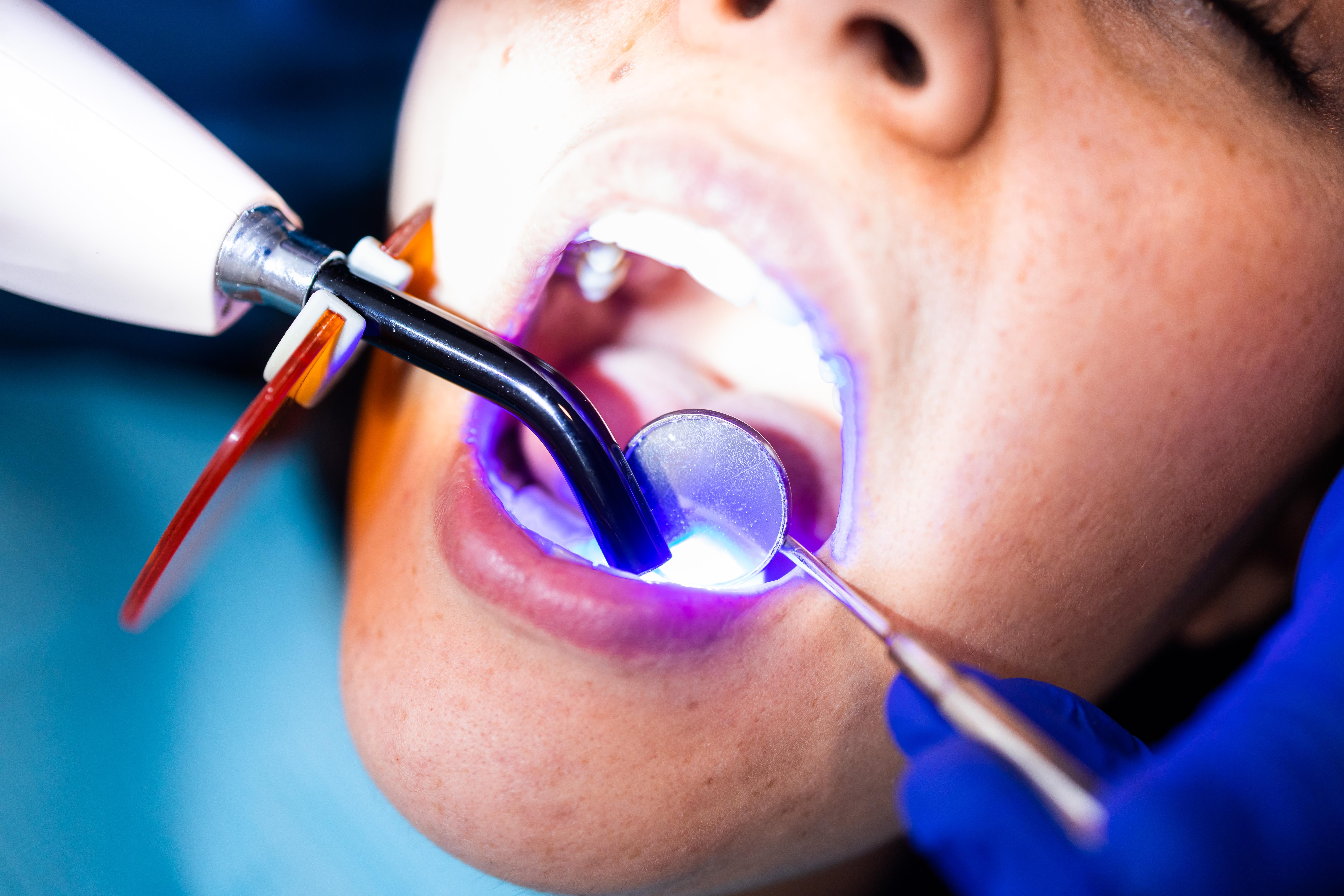
Tooth decay can develop when bacteria and food particles remain on tooth surfaces, particularly in areas that are difficult to clean thoroughly. Preventive dental treatments help reduce these risks and support long-term oral health. A tooth sealant is a thin protective coating applied to the chewing surfaces of certain teeth, especially the back teeth where deep grooves can collect debris. This coating creates a smoother barrier that helps prevent cavity-causing bacteria and food particles from settling into vulnerable areas. Understanding how sealants work allows individuals and families to consider practical preventive options as part of a consistent dental care routine.
Recognizing Areas Vulnerable to Tooth Decay
Molars and premolars have pits and grooves that help break down food during chewing. Although these natural structures are useful, their narrow spaces can be difficult to clean effectively with a toothbrush. Food particles and plaque may accumulate in these areas, increasing the likelihood of decay when oral hygiene is insufficient. Children and teenagers can be particularly vulnerable as newly erupted permanent molars may have deep grooves and developing cleaning habits. Adults with susceptible tooth surfaces may also benefit from preventive assessment. Dental professionals examine these areas during routine visits and determine whether protective treatments could help reduce individual cavity risks.
Exploring How Sealants Protect Teeth
Dental sealants act as a protective barrier over the chewing surfaces of selected teeth. The material flows into small grooves and pits, covering spaces where plaque and food particles can become trapped. Once properly applied and hardened, the coating makes these areas easier to keep clean. Sealants do not replace brushing, flossing, fluoride use, or regular examinations. Instead, they provide an additional layer of protection against one common source of tooth decay. Their effectiveness depends on suitable tooth selection, correct placement, and ongoing monitoring. Understanding their preventive role helps patients recognize why sealants may be recommended alongside other oral hygiene practices.
Identifying Suitable Candidates for Sealant Treatment
Sealants are often recommended for children and teenagers when permanent molars emerge, although the timing depends on tooth development and individual cavity risk. Newly erupted teeth may benefit because their chewing surfaces can be difficult to clean thoroughly. Some adults with deep grooves or a history of cavities may also be candidates. A dental professional examines the teeth to confirm that the surfaces are suitable and do not require restorative treatment. Teeth with existing decay need appropriate evaluation rather than simply being covered with a preventive coating. Personalized recommendations help ensure that sealants are used where they can provide meaningful protection.
Understanding the Application Process
Applying dental sealants is generally a straightforward procedure that does not usually require drilling or anesthesia. The dental professional first cleans the selected tooth to remove plaque and debris. The tooth is then dried, and a conditioning solution may be applied to help the sealant bond securely. After rinsing and drying the surface again, the protective material is carefully placed into the grooves. A special curing light may be used to harden the material, depending on the product. The dentist then checks the coating and the patient's bite. These steps help create a suitable protective layer while keeping the procedure comfortable for most patients.
Appreciating the Comfort of Preventive Treatment
Many patients appreciate that sealant application is typically quick and minimally invasive. Because the procedure generally does not involve removing tooth structure, it can be a practical option for protecting healthy chewing surfaces. Children may feel more comfortable when each step is explained in simple language before treatment begins. Dental professionals can describe the cleaning, drying, and coating stages to reduce uncertainty. Most patients can return to their usual activities shortly after the appointment, following any instructions provided. Although the treatment is generally comfortable, individual circumstances vary. A professional examination helps determine whether sealants are appropriate and whether another dental procedure is needed first.
Supporting Children's Oral Health
Children benefit from preventive care that helps protect developing permanent teeth during important growth stages. Newly erupted molars can have deep grooves where toothbrush bristles may not reach every area effectively. Sealants can cover these vulnerable surfaces and provide an additional defense against cavities. Parents can support the benefits by encouraging regular brushing with fluoride toothpaste, supervising younger children, and limiting frequent sugary snacks and drinks. Routine dental visits help monitor tooth development and identify changes that may require attention. Sealants work best as part of a broader preventive strategy that combines professional care, healthy eating habits, and consistent daily oral hygiene.
Considering Sealants for Teenagers
Teenagers may face increased cavity risks as their routines become busier and eating habits change. School schedules, sports, social activities, and frequent snacking can sometimes interfere with consistent oral hygiene. Newly erupted molars may still contain deep grooves that are susceptible to plaque accumulation. Sealants can help protect suitable chewing surfaces during these years, especially for individuals with a history of decay or difficulty cleaning back teeth. However, treatment decisions should be based on a dental examination rather than age alone. Regular brushing, flossing, and professional monitoring remain essential for maintaining healthy teeth as teenagers develop independent oral care habits.
Exploring Sealant Benefits for Adults
Although sealants are commonly associated with children, some adults may also benefit from this preventive treatment. Deep pits and grooves can remain vulnerable to plaque accumulation throughout life, particularly when certain surfaces are difficult to clean. Adults who have no existing decay in the areas being considered may be suitable candidates following a professional assessment. Sealants may also be considered for individuals with elevated cavity risk, depending on their dental history and oral condition. They are not a universal solution for every tooth, and restorations may be needed when decay is already present. Individualized recommendations help determine whether sealants are a useful addition to adult preventive care.
Distinguishing Sealants From Dental Fillings
Dental sealants and fillings serve different purposes, even though both involve placing material on a tooth. Sealants are designed primarily to protect susceptible chewing surfaces before a cavity develops. Fillings restore tooth structure that has already been damaged by decay or injury. A dental professional examines the tooth and determines which approach is appropriate based on the condition of the enamel and underlying tissues. Applying a preventive coating to a tooth with untreated decay may not address the underlying problem. Understanding this distinction helps patients appreciate the importance of regular examinations, early diagnosis, and treatment plans that match the actual needs of each tooth.
Combining Sealants With Fluoride Protection
Sealants and fluoride support cavity prevention in different ways and may complement each other. Sealants create a physical barrier over selected chewing surfaces, while fluoride helps strengthen tooth enamel and supports its ability to resist acid attacks. Fluoride toothpaste is an important part of daily oral hygiene, and professional fluoride treatments may be recommended for individuals with increased cavity risk. A dentist can assess age, dental history, diet, and existing preventive habits before suggesting a suitable combination of treatments. Neither sealants nor fluoride eliminates the need for brushing, flossing, or routine checkups. A comprehensive preventive plan addresses multiple factors that contribute to tooth decay.
Maintaining Oral Hygiene After Sealant Placement
Good oral hygiene remains important after sealants are applied because the coating protects only the surfaces it covers. Patients should continue brushing twice daily with fluoride toothpaste and cleaning between teeth as recommended. Regular removal of plaque helps protect the gums and tooth surfaces that remain exposed. Limiting frequent sugary snacks and drinks can also reduce the repeated acid attacks associated with cavity development. Children may need help from parents or caregivers to maintain consistent habits. Dental professionals can demonstrate effective brushing techniques and offer age-appropriate advice. Combining daily care with preventive treatments supports healthier teeth and reduces the likelihood of avoidable dental problems.
Understanding Sealant Durability
Dental sealants can remain effective for several years, but their lifespan varies according to the material, tooth location, chewing forces, and daily habits. Over time, a coating may wear down, chip, or partially detach from the tooth surface. This does not mean the treatment has failed immediately, but it does mean the area should be assessed. During routine examinations, the dentist checks whether the sealant remains intact and provides adequate coverage. If a section is missing, the coating may need repair or replacement. Monitoring helps maintain protection and allows concerns to be addressed before the exposed grooves develop problems.
Recognizing Signs That Sealants Need Attention
Sealants are not always noticeable to patients, so regular professional checks are important for assessing their condition. A coating may become worn or partially detach without causing pain or visible symptoms. Because tooth decay can develop without obvious early warning signs, waiting for discomfort is not a reliable way to determine whether a sealant remains effective. Patients should attend scheduled examinations and mention any concerns about changes in their teeth. If sensitivity, pain, or other symptoms develop, the affected tooth should be evaluated promptly. A dental professional can inspect the surface, check for decay, and recommend repair, replacement, or other treatment when necessary.
Addressing Common Concerns About Sealants
Some patients worry that dental sealants may be uncomfortable, unnecessary, or difficult to maintain. In most cases, placement is a simple procedure that does not require removal of healthy tooth structure. The dentist first determines whether the tooth is suitable and explains the expected benefits and limitations. Sealants are not intended to replace daily oral hygiene or other preventive measures, and their condition should be checked periodically. Patients can ask about the material being used, how long it may last, and what follow-up care is recommended. Clear information helps families make informed decisions based on individual oral health needs rather than assumptions.
Making Preventive Care More Comfortable for Children
Positive dental experiences can help children develop healthier attitudes toward oral care as they grow. Before sealant treatment, dental professionals can explain the process using age-appropriate language and describe each step in a calm, reassuring manner. Parents can help by encouraging questions and presenting the visit as a normal part of maintaining healthy teeth. Because the procedure is generally quick and minimally invasive, many children tolerate it well. Individual comfort levels differ, so additional reassurance may be helpful for anxious patients. Early preventive visits also provide opportunities to teach brushing techniques, discuss nutrition, and establish routines that support long-term oral health.
Supporting Prevention Through Healthy Eating Habits
Diet plays an important role in cavity prevention, even when sealants are present. Bacteria in dental plaque use sugars from food and drinks to produce acids that can weaken enamel over time. Frequent exposure to sugary beverages, sweets, and sticky snacks may increase the risk of tooth decay. Choosing balanced meals, drinking water regularly, and limiting frequent sugary treats can support healthier teeth. Nutrient-rich foods also contribute to general health and normal tooth development. Parents can encourage children to establish practical eating habits, while adults can review their own routines. Sealants work best when combined with dietary choices and consistent oral hygiene.
Scheduling Regular Dental Examinations
Routine dental examinations help monitor sealants and identify other oral health concerns. During these visits, the dentist checks the chewing surfaces, evaluates the gums, and looks for early signs of decay or damage. Professional cleaning may also help remove plaque and hardened deposits that daily brushing cannot eliminate. The recommended appointment schedule depends on individual risk factors, age, and dental history. Children with developing permanent teeth may require monitoring as additional molars emerge. Adults with previous cavities or other risk factors may need more frequent assessments. Regular visits support early intervention and help ensure that preventive measures continue to meet changing dental needs.
Building a Long-Term Cavity Prevention Routine
A dependable preventive routine combines professional dental care with daily habits that protect the teeth. Sealants can help guard susceptible chewing surfaces, while fluoride toothpaste supports enamel strength. Brushing twice daily, cleaning between teeth, drinking water, and limiting frequent sugar exposure all contribute to reducing cavity risk. Parents can help children develop these habits by demonstrating proper techniques and maintaining consistent routines. Adults also benefit from reviewing their hygiene practices and attending regular examinations. No single treatment can prevent every cavity, so a comprehensive approach is important. Personalized advice from a dental professional helps ensure that preventive strategies remain appropriate as oral health needs change.
Conclusion
Dental sealants provide a practical preventive option for protecting vulnerable chewing surfaces from cavity-causing plaque and food debris. They may be particularly helpful for children and teenagers with newly erupted permanent molars, although selected adults can also benefit from professional evaluation. Proper application, regular examinations, healthy eating habits, and consistent oral hygiene all contribute to effective prevention. Understanding the purpose and limitations of sealants allows patients to make informed decisions about their dental care. For individuals seeking guidance on preventive treatments and long-term oral wellness, Puri Dentistry can be considered when exploring suitable approaches to protecting teeth and maintaining healthier smiles.
Click here to discover dental solutions that match your smile aspirations in Oxnard.

 English
 Arabic
 French
 Spanish
 Portuguese
 Deutsch
 Dutch
 Italiano
 Russian
 Romaian
 Portuguese (Brazil)
 Greek