


What Happens During Invisalign Treatment From Start to Finish
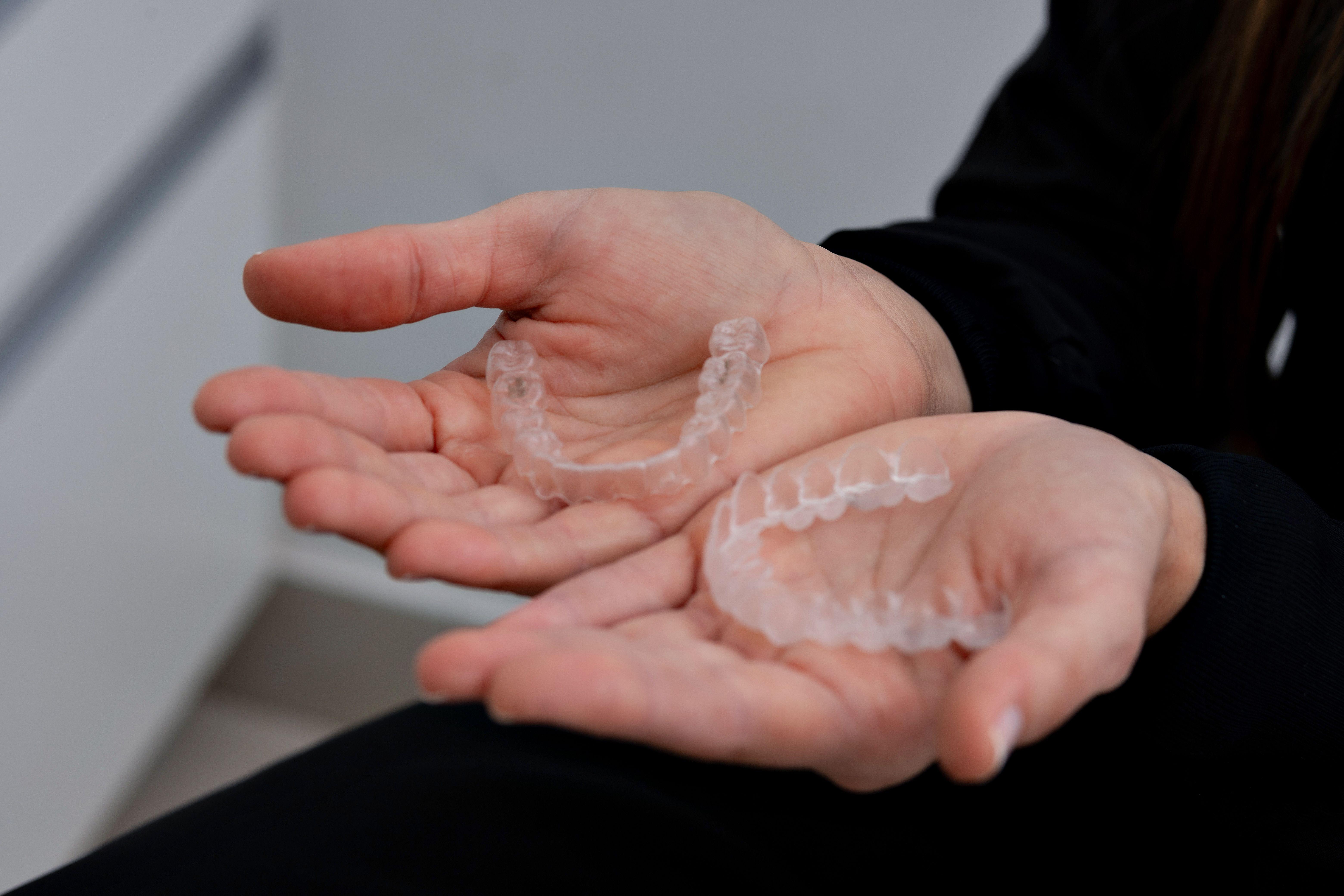
Straightening teeth can improve a person's smile, bite, and confidence, but many patients prefer an alternative to traditional metal braces. Clear aligners offer a discreet way to gradually move teeth into better positions while allowing patients to maintain their usual routines. Understanding invisalign treatment from the initial consultation to the final results helps patients know what to expect at each stage. The process involves careful planning, custom made aligners, regular monitoring, and consistent daily wear to achieve the intended tooth movements safely and effectively.
Understanding How Invisalign Treatment Works
Clear aligner treatment uses a series of transparent, removable trays designed to move teeth gradually. Each aligner applies controlled pressure to selected teeth, helping them shift according to a personalized treatment plan. Patients generally progress through several sets of trays as their teeth change position over time. Unlike fixed braces, clear aligners can be removed for meals, brushing, and flossing.
Who May Benefit From Clear Aligners?
Clear aligners may help address several common orthodontic concerns, including crowded teeth, small gaps, and certain bite irregularities. They can be suitable for teenagers and adults whose teeth and oral health meet the requirements for treatment. However, not every orthodontic problem can be managed effectively with aligners alone. More complex tooth movements or severe jaw discrepancies may require other orthodontic approaches.
Step One: The Initial Consultation
The process begins with a consultation to determine whether clear aligners are appropriate for the patient's smile goals and oral health. The dental professional asks about concerns such as crowded teeth, spacing, difficulty cleaning certain areas, or problems with the bite. A medical and dental history may also be reviewed to identify conditions that could influence treatment.
Examination and Digital Records
During the assessment, the dental professional examines the teeth, gums, and bite to identify any conditions requiring attention before orthodontic treatment. Photographs, dental X-rays, and digital scans or impressions may be collected to document the current position of the teeth.
Step Two: Creating a Personalized Treatment Plan
After collecting the necessary records, the dental professional develops a plan outlining how the teeth are expected to move. Digital planning software may be used to map the proposed stages and estimate the number of aligners needed. Patients may be shown a computer generated preview of the anticipated tooth positions, although actual results can differ from the simulation.
Attachments and Additional Preparations
Some patients need small, tooth colored attachments placed on selected teeth to help aligners apply force more effectively. These attachments are temporary and are generally removed when the active treatment phase is complete. In certain cases, a small amount of enamel may need to be reshaped between specific teeth to create space for planned movement.
Step Three: Receiving and Wearing the Aligners
Once the treatment plan is approved and the aligners are manufactured, the patient receives the first set of trays and instructions for use. The dental professional checks that the aligners fit properly and explains how to insert, remove, clean, and store them.
Adjusting During the First Few Days
New aligners may feel tight because they are designed to apply pressure to the teeth. Mild soreness, temporary sensitivity, or slight changes in speech can occur as the mouth adjusts. These effects often improve after the first few days of wearing a new set.
Step Four: Progressing Through Each Aligner Set
As treatment continues, patients change to new aligners according to the schedule provided by their dental professional. Each set is designed for a particular stage of tooth movement, so changing trays too early may interfere with the planned progression. Consistent wear is especially important because teeth need adequate time to respond to the applied forces.
Follow Up Appointments and Monitoring
Regular checkups allow the dental professional to evaluate tooth movement, assess aligner fit, and identify problems before they become more difficult to manage. Appointment frequency depends on the treatment plan and individual progress. Some patients may receive several sets of aligners at once, while others need more frequent reviews.
Step Five: Managing Daily Care and Common Challenges
Good daily habits help protect the teeth and support successful orthodontic progress. Patients should brush after meals whenever possible before reinserting aligners, since trapped food and plaque can contribute to decay or gum inflammation. Flossing remains important because aligners do not clean between the teeth.
What If an Aligner Is Lost or Damaged?
A lost or cracked aligner can interrupt the planned sequence, so patients should contact their dental professional for instructions. Depending on the circumstances, they may be advised to use a previous tray, move to the next set, or arrange a replacement.
Step Six: Completing Treatment and Maintaining Results
The active phase ends when the teeth have reached the planned positions and the dental professional confirms that the result is satisfactory. Some patients require refinement aligners to improve small details that remain unfinished. These additional trays may be based on updated scans and a revised plan.
Why Retainers Are Important
Retainers help maintain the new tooth positions after active orthodontic movement has finished. They may be removable or fixed, depending on the patient's needs and the clinician's recommendation. Patients should follow the prescribed wearing schedule because teeth can gradually move back toward their previous positions without adequate retention. Regular dental examinations also help monitor the condition of the teeth, gums, and retainers. Maintaining good oral hygiene, attending follow up visits, and wearing retainers as instructed are essential parts of preserving the results achieved through clear aligner treatment.
Conclusion
The clear aligner process includes an initial consultation, personalized planning, gradual tooth movement, progress checks, and long term retention. Each stage contributes to achieving a healthier looking smile while addressing individual orthodontic concerns. Results depend on the complexity of the case, oral health, and consistent adherence to professional instructions. Patients should discuss expectations, costs, treatment duration, and possible alternatives before beginning. For personalized guidance about clear aligners and orthodontic options, Clove Dental Ventura can help patients explore the next steps toward a more confident smile.
 Romaian
 English
 Arabic
 French
 Spanish
 Portuguese
 Deutsch
 Turkish
 Dutch
 Italiano
 Russian
 Portuguese (Brazil)
 Greek