


Why Selling a Non Running Car for Cash Could Be Better Than Repairing It?
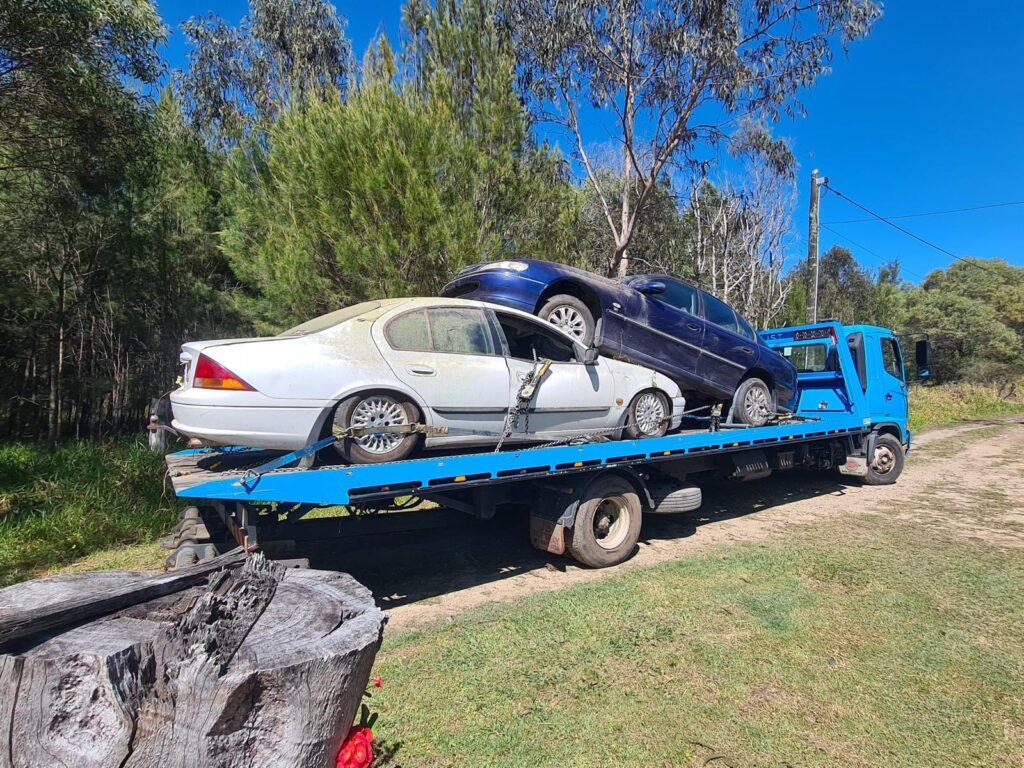
Having a car that no longer runs can be frustrating. One day, it may have been your regular way to travel to work, take the children to school or visit family. Now, it is sitting in your driveway, garage or parking space, taking up room and costing you money. You might be thinking about getting it repaired, but before spending your savings, it is worth considering whether fixing it is the right decision.
Car repairs can be expensive, especially when the vehicle has a major engine, transmission or electrical problem. Even a small fault can sometimes lead to other issues once a mechanic starts working on the vehicle. What seems like a simple repair may turn into a much bigger job than expected. For many Australian car owners, selling a non-running vehicle for cash can be a more practical option. Instead of spending money on repairs, waiting for replacement parts and worrying about future breakdowns, you may be able to receive an offer and arrange vehicle collection.
The best choice depends on your car's condition, its current market value, the cost of repairs and your personal circumstances. A vehicle that needs a minor fix may be worth repairing, while an older car with serious mechanical damage may cost more to fix than it is worth. This article explains why selling a non-running car for cash could be better than repairing it. It also covers repair costs, vehicle value, selling options, collection arrangements and important things to check before completing the sale.
1. Understand Why Your Car Has Stopped Running
Before deciding what to do with your vehicle, you need to understand why it is no longer working. Different mechanical problems have different repair costs, and some faults are much more serious than others. A car may stop running because of a flat battery, faulty starter motor, damaged alternator or fuel system problem. These issues can sometimes be repaired without spending a large amount of money.
However, more serious faults can make repairs expensive. An engine that has seized, a failed transmission or major electrical damage may require extensive work. In some cases, replacement parts and labour can cost thousands of dollars. Overheating is another common reason a car stops running. If the engine has been driven while overheating, important components may have suffered serious damage. Simply replacing a radiator or water pump might not solve the problem if the engine itself has been affected.
Flood damage can also create long-term problems. Water may affect the engine, electrical wiring, computer systems and interior components. Even if the vehicle starts again after some repairs, hidden damage could cause future issues. Ask a qualified mechanic to inspect the vehicle if you are unsure about the problem. A professional diagnosis can help you understand the likely repair costs and decide whether spending more money makes financial sense.
2. Avoid Spending More on Repairs Than Your Car Is Worth
One of the biggest reasons to consider selling a non-running car is the risk of spending more on repairs than the vehicle's actual value. Imagine you own an older sedan worth around $5,000 when it is in good working condition. However, the engine has failed, and a mechanic estimates that replacing it will cost $4,000. You may also need new tyres, a battery and other repairs before the vehicle is ready for the road.
The total expense could quickly become higher than the amount you could reasonably expect to receive when selling the repaired car. This is known as negative repair value. It happens when the money required to fix a vehicle is greater than the financial benefit you are likely to receive afterwards. Before approving any major repair, compare the estimated cost with the vehicle's current market value and its likely value after repairs.
You should also consider the age of the car, kilometres travelled and overall condition. An older vehicle with high kilometres may need additional work even after its main problem has been fixed. Spending a large amount on repairs does not guarantee that the car will remain reliable. If another major problem develops shortly afterwards, you could find yourself paying even more. Selling the vehicle in its current condition may help you avoid this financial risk.
3. Save Money by Avoiding Expensive Mechanical Repairs
Modern vehicles contain many mechanical and electronic components. When something goes wrong, identifying the fault can take time, and replacing damaged parts can be costly. Engine repairs are among the most expensive jobs a car owner may face. A replacement engine involves parts, labour and sometimes additional work involving the cooling system, belts, hoses and electrical connections. Transmission problems can also lead to significant bills. Automatic transmission repairs may require specialist equipment and skilled labour. Depending on the vehicle, replacing the transmission may cost more than the car is worth.
Electrical faults can be difficult to diagnose. A problem with the wiring, sensors or computer system may affect several vehicle functions. Mechanics may need additional testing before identifying the exact cause. There are also smaller expenses to consider. A non-running car may need a new battery, starter motor, fuel pump or alternator. Even when these repairs seem affordable individually, the total can become difficult to manage.
Selling your vehicle for cash allows you to avoid committing to these expenses. Rather than paying for parts and labour, you can put the money towards another vehicle, household costs or other priorities. For someone managing a tight budget, avoiding an uncertain repair bill can be a sensible financial decision.
4. Stop Paying for a Car You Cannot Use
A non-running car can continue creating expenses even when it is parked and not being driven. Depending on your circumstances, you may still be paying for registration, insurance, parking or storage. These costs can add up over several weeks or months.
If the vehicle is registered, check the applicable Queensland or state requirements before deciding whether to keep the registration. Depending on your circumstances, cancelling registration may be an option. You should also ask your insurer whether your policy can be changed or cancelled.
If the car is stored at a mechanic's workshop, you may also be paying storage charges. Some repair businesses charge daily fees when a vehicle remains on their premises after inspection or repair work. Keeping an unwanted car in your driveway can create another problem. It takes up valuable space that could be used for another vehicle, outdoor equipment or household storage.
Selling the car can help you stop these ongoing expenses. Once the transaction is complete, you can deal with the relevant registration and insurance matters and free up the space. The sooner you understand the cost of keeping the vehicle, the easier it becomes to decide whether holding on to it is worthwhile.
5. Selling for Cash Can Be Faster Than Waiting for Repairs
Repairing a vehicle is not always a quick process. The time required depends on the type of damage, the availability of parts and the mechanic's workload. If your car needs a replacement engine or transmission, the repair may take several days or even weeks. Delays can occur when parts need to be ordered from another supplier or when additional faults are discovered during the work.
This can be especially inconvenient if you depend on your vehicle for everyday travel. You may need to arrange public transport, borrow another car or pay for taxis while waiting for the repairs to finish. A cash sale can provide a simpler alternative. Some professional car buyers can assess your vehicle using the information you provide, make an offer and arrange collection once you accept their terms.
The exact timeframe depends on the buyer, vehicle condition and collection availability. However, you may be able to complete the sale without waiting for lengthy mechanical work. If you need to replace your vehicle quickly, selling the non-runner can also help you put money towards another car sooner. Before accepting an offer, confirm the payment arrangements and collection date so you know what to expect.
6. You Can Sell Your Non-Running Car in Its Current Condition
One of the main advantages of using a suitable car buying service is that some buyers accept vehicles without requiring repairs. Private buyers often prefer cars that can be inspected, test-driven and used immediately. If your vehicle does not start, many potential buyers may lose interest. You may receive questions about the engine, transmission, registration and repair history. Some people may ask you to fix the problem before they consider making an offer.
This can make a private sale difficult, particularly when you do not know the exact cause of the fault. Professional car buyers may have different requirements. Depending on their services, they may purchase vehicles with failed engines, damaged transmissions, electrical faults, accident damage or general mechanical problems.
If you want to sell your non runner car, start by explaining its condition honestly to potential buyers. Tell them whether the engine turns over, whether the vehicle has been involved in an accident and whether any parts are missing. Do not hide mechanical faults to try to receive a higher offer. The buyer may discover the problem during inspection and change the offer or refuse the purchase. Providing accurate details makes the process easier and helps you find a buyer who is willing to purchase the vehicle as it stands.
7. Get Money Instead of Paying for More Repairs
When your vehicle stops working, your first thought may be to get it fixed. However, it is worth looking at the situation from a financial point of view. Repairing the car means spending money before you can use or sell it. Even if the repair is successful, there is no guarantee that you will recover the full cost when selling the vehicle.
Selling it for cash changes the situation. Instead of paying a mechanic, you receive an agreed amount from the buyer, subject to the vehicle's condition and the sale terms. You can then use the money for something more useful. It might help you purchase a replacement car, pay household bills, cover transport expenses or reduce other financial commitments.
The amount you receive will depend on several factors, including the make, model, year, condition, demand for parts and current scrap or recycling value. A newer vehicle with a relatively minor fault may attract a stronger offer than an older car with severe damage. However, even a vehicle that is no longer suitable for road use may still contain valuable reusable components. The important thing is to compare the cash offer with the realistic cost of repairing the vehicle.
8. Your Car May Still Have Value Even If It Cannot Start
A car that does not run is not necessarily worthless. Even when it cannot be driven, several parts and materials may still have value. The engine, gearbox, doors, mirrors, seats, wheels, headlights and electronic components may be suitable for reuse, depending on their condition. Some buyers purchase non-running cars to repair them. Others may dismantle vehicles and sell usable components to people who need replacement parts.
Vehicles that cannot be repaired economically may be sent for recycling. Metal, including steel and aluminium, can be recovered and processed for other uses. The vehicle's make and model can influence its value. Popular models may have stronger demand for replacement parts, while rare vehicles may attract interest from specialist buyers.
The age of the car also matters. A newer non-running vehicle may have valuable components, while an older vehicle with extensive damage may mainly have recycling value. This is why you should not assume that a car has no value simply because it will not start. Contact buyers who specifically accept non-running vehicles and ask them to assess its condition.
9. Avoid the Stress of Selling Privately
Selling a working car privately can already involve plenty of effort. Selling one that does not run can be even more challenging. You need to create an advertisement, take photographs, describe the mechanical problem and respond to enquiries. Potential buyers may ask detailed questions about faults you do not fully understand.
You may also need to organise inspections. Because the vehicle cannot be driven, interested buyers might need to arrange their own transport or bring a mechanic to inspect it. Some people may make an offer and then disappear. Others may try to negotiate a much lower amount after inspecting the vehicle. There is also the question of safety. Meeting strangers, arranging inspections and handling payment require care.
A direct sale to a professional buyer can reduce some of this work. You generally deal with a business rather than several individual buyers. You can explain the vehicle's condition, receive an offer and discuss collection arrangements. If you agree to the terms, the buyer can organise the next steps. This approach may be particularly helpful if you have limited time or do not want to manage repeated enquiries.
10. Free Car Removal Can Make Selling Even Easier
Transport is another important issue when selling a non-running vehicle. If your car cannot start or move safely, you cannot simply drive it to a dealership or private buyer. You may need to hire a tow truck, which can add another expense to an already difficult situation. Some professional car buyers offer free vehicle removal as part of their service. This means they arrange suitable transport and collect the vehicle from an agreed location without charging a separate collection fee, subject to their terms.
Free pickup can be useful if your car is parked at home, at a workplace or at a mechanic's workshop. Before accepting an offer, confirm that collection is genuinely free. Ask whether there are location restrictions, additional charges or special conditions for damaged and non-running vehicles.
You should also explain any access problems. For example, a vehicle parked in an underground car park or narrow driveway may require special collection arrangements. Confirm the pickup date, arrival time and payment method before the collection team arrives. A clear agreement helps avoid delays and unexpected costs.
11. How to Get a Cash Offer for Your Non-Running Car
Getting an offer is usually straightforward if you have the necessary vehicle information ready. Start by identifying the make, model, year, variant and kilometres travelled. You should also have the registration details and VIN available where possible.
Next, describe why the vehicle is not running. Explain whether it has engine trouble, transmission damage, electrical problems or another mechanical fault. Be honest about accident damage, missing parts, flood exposure and registration status. If you have recent photographs, these may help the buyer understand the vehicle's condition.
Contact a few suitable car buying services and request their offers. Ask whether the price is an initial estimate or a confirmed amount subject to inspection. Find out whether the buyer provides free removal and whether there are any deductions from the agreed purchase price.
Do not accept an offer simply because it is the first one you receive. Compare the amount, collection conditions and payment arrangements. Once you are comfortable with the terms, arrange an inspection or collection date. The more accurate your information, the easier it will be for the buyer to provide an offer that reflects the actual condition of your vehicle.
12. Understand the Factors That Affect Your Car's Cash Value
Not every non-running vehicle receives the same offer. Buyers consider several factors when deciding how much they are willing to pay. The vehicle's make and model are important because they influence demand for replacement parts. A popular Australian family car may have components that are easier to sell than those from a less common model. The year of manufacture also matters. Newer vehicles may have more valuable components, although severe mechanical damage can still reduce their value considerably.
Kilometres travelled provide another indication of wear. A car with lower kilometres may attract more interest if its components are in reasonable condition. The type of mechanical fault can have a major effect. A vehicle with a flat battery may be worth more than a similar car with a destroyed engine or damaged transmission.
External condition also matters. Rust, accident damage, missing panels and damaged interiors can reduce the offer. Registration status, service history, spare keys and available documents may also influence the buyer's assessment. Finally, local demand and transport costs can affect the amount offered. Understanding these factors helps you set realistic expectations and compare offers more effectively.
13. When Is Repairing Your Car Still the Better Choice?
Although selling for cash can be a sensible option, it is not always the right decision. If the vehicle has a minor problem and the repair cost is affordable, fixing it may be worthwhile. For example, replacing a battery or starter motor may be much cheaper than purchasing another vehicle. A car that is otherwise reliable, well maintained and relatively valuable may also justify a larger repair.
Consider how much the car would be worth after the repair and compare that figure with the total amount you need to spend. You should also think about how long you plan to keep it. If you know the vehicle well and expect to use it for several more years, a reasonable repair may provide better value than replacing it.
However, if the vehicle has a history of repeated breakdowns, major mechanical faults or expensive ongoing maintenance, selling it may be more practical. Ask your mechanic for a written estimate and an honest opinion about the vehicle's overall condition. Do not make the decision based only on the money you have already spent. Previous repair costs are gone, and the important question is whether spending more money now makes financial sense.
14. Important Documents to Prepare Before Selling
Before completing the sale, organise the documents and information associated with your vehicle. Your registration details help identify the car and confirm its registration status. You may also need your identification and other information required for the transaction. Service records and repair invoices can help explain the vehicle's history. If you have a spare key, owner's manual or other original accessories, gather them before collection.
If the vehicle has outstanding finance, contact your lender and obtain the current payout amount. A buyer may be willing to work with the lender, but the arrangement must be clear before the sale proceeds. For registered vehicles in Queensland, check the Department of Transport and Main Roads requirements for notifying the sale and completing the relevant transfer process.
Do not assume that the buyer will complete every responsibility for you. Understand which forms or notifications you need to submit and keep evidence of completion. A written receipt or sale agreement should record the vehicle details, agreed amount, sale date and buyer information. Having these documents ready makes the handover more organised and helps protect you if questions arise later.
15. Protect Yourself During Payment and Vehicle Collection
Getting a good price is important, but you should also make sure the transaction is safe. Before the collection team arrives, confirm the business name, contact details, agreed purchase amount and collection arrangements.
Ask how payment will be made. If the buyer uses electronic bank transfer, check your own banking account to confirm that the money has arrived before handing over the vehicle. Do not rely only on a screenshot or payment message supplied by the buyer. These do not necessarily prove that the funds are available in your account.
Never share your banking password, PIN or one-time security codes with anyone involved in the sale. Before the vehicle leaves, remove personal belongings and check the glovebox, boot, door pockets and storage compartments.
Delete saved phone connections, navigation addresses and personal information from the vehicle's entertainment system where possible. Once payment is confirmed and the agreed paperwork is complete, hand over the keys and vehicle. Keep your sale agreement, payment confirmation and collection receipt in a safe place.
16. What Should You Do After Selling Your Non-Running Car?
The process does not end when the vehicle is collected. There are a few important tasks to complete afterwards. If the vehicle was registered, follow the applicable state or territory requirements for notifying the sale. In Queensland, sellers can use the Department of Transport and Main Roads process to notify the department of a vehicle disposal.
Keep proof that the notification has been completed. This is important because it helps establish when you sold the vehicle. Next, contact your insurance provider. Explain that the vehicle has been sold and ask about cancelling or changing your policy. You may be entitled to a refund for unused cover, depending on your insurance agreement.
If the car was financed, check that the lender has received the agreed settlement amount. Confirm any remaining balance and ask for evidence that the loan and associated security interest have been handled correctly. You should also update toll accounts, parking permits and connected vehicle services where necessary. These simple steps help prevent future charges and administrative problems.
17. Frequently Asked Questions About Selling a Non-Running Car for Cash
Can I sell a car that does not start?
Yes. Some professional car buyers purchase vehicles that cannot start or drive. These may include cars with engine problems, transmission faults, electrical damage or flat batteries. The amount offered depends on the vehicle's condition and the buyer's requirements.
Will I need to repair my car before selling it?
Not necessarily. Some buyers purchase vehicles in their current condition. You should explain all known faults when requesting an offer and confirm whether the buyer requires any repairs.
Can I sell a non-running car without registration?
In many circumstances, yes. However, acceptance depends on the buyer and vehicle details. Explain that the car is unregistered and arrange lawful transport rather than driving it on public roads without proper authorisation.
Do car buyers offer free removal?
Some professional buyers provide free collection for eligible vehicles. However, terms vary. Confirm that pickup is available at your address and ask whether towing, loading or other transport costs will be deducted from your offer.
How much money can I get for a non-running car?
There is no fixed price. The offer depends on the make, model, age, kilometres, condition, mechanical problems and demand for parts. Requesting quotes from different buyers is a useful way to understand its potential value.
Can I sell my car if the engine is completely damaged?
Yes, some buyers accept cars with failed or damaged engines. The vehicle may still have reusable parts or recycling value. Be clear about the extent of the damage when requesting an offer.
Is selling a non-running car better than selling it privately?
It depends on your priorities. A private sale may produce a higher price in some cases, but it can take longer and require more effort. A professional buyer may offer a simpler process with collection and payment arrangements.
How long does it take to sell a non-running vehicle?
The timeframe varies depending on the buyer, inspection requirements, vehicle condition and pickup availability. Some services can organise collection quickly, while others need additional checks or paperwork.
Can I sell a car with outstanding finance?
You may be able to sell it, but the finance must be handled correctly. Contact your lender for a payout figure and discuss the settlement process with the buyer before agreeing to the transaction.
Should I accept the first cash offer I receive?
It is usually sensible to compare more than one offer if possible. Check the actual amount you will receive, collection costs, payment arrangements and any conditions attached to the quote.
18. Final Thoughts: Make a Smart Decision About Your Non-Running Car
A non-running car can quickly become a financial burden. Repair bills, storage costs, insurance and ongoing maintenance can make keeping an unusable vehicle an expensive decision. Although repairing it may seem like the obvious choice, it is important to look at the total cost before committing to more work. If the engine, transmission or other major components have failed, the repair expense may be greater than the car's likely market value.
Selling the vehicle for cash can provide a practical alternative. You may receive money without paying for major repairs, avoid the difficulty of finding a private buyer and arrange collection without needing to drive the vehicle. The key is to understand your car's condition, compare offers and check the buyer's terms carefully. Make sure any promised free pickup is genuinely free, confirm the payment method and complete the required paperwork.
If your vehicle has stopped running and you are unsure whether to repair or sell it, start by getting a professional diagnosis and comparing the repair estimate with cash offers. You may discover that selling the car in its current condition is the more affordable and convenient choice. Rather than putting more money into a vehicle that may continue causing problems, you can use the money towards something that better suits your needs. Ultimately, the right decision is the one that protects your budget, saves unnecessary effort and gives you a clear way forward.

 Arabic
 French
 Spanish
 Portuguese
 Deutsch
 Turkish
 Dutch
 Italiano
 Russian
 Romaian
 Portuguese (Brazil)
 Greek