


Islamic Poetry in Urdu: Beauty, Faith, and Spiritual Wisdom
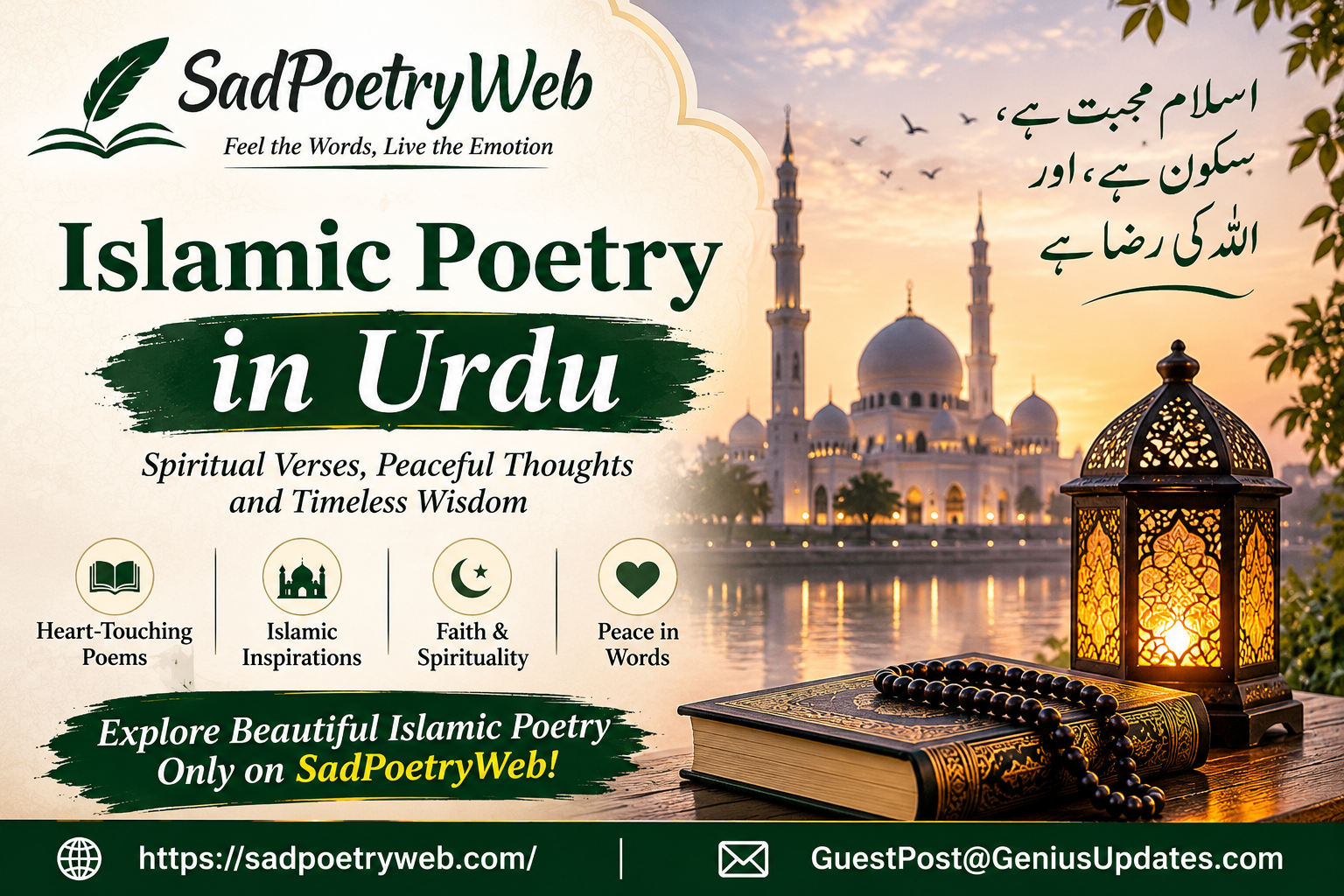
Poetry has always been a powerful way to express faith, gratitude, love, and devotion to Allah. Across generations, Urdu poetry has played an important role in sharing Islamic teachings and encouraging people to follow a righteous path. Islamic poetry in urdu combines beautiful language with meaningful spiritual messages, helping readers strengthen their connection with Allah and reflect on the values of Islam. From heartfelt prayers to verses praising the Prophet Muhammad (PBUH), these poems inspire peace, patience, and kindness.
The Importance of Islamic Poetry in Urdu
Islamic poetry holds a special place in Urdu literature because it expresses religious beliefs through rhythm, emotion, and meaningful words. Poets use their creativity to communicate lessons about honesty, compassion, humility, and forgiveness.
These poems can encourage readers to remember Allah during difficult times and remain thankful during moments of happiness. They also help younger generations understand Islamic values through simple, memorable expressions.
Poetry About Allah's Love and Mercy
Many Islamic poets write about Allah's infinite mercy, forgiveness, and guidance. Their verses remind believers that sincere repentance and regular prayer can bring spiritual comfort.
Such poetry encourages Muslims to remain hopeful even when life becomes challenging. It emphasizes that faith, patience, and trust in Allah can help people face uncertainty with courage.
Popular Themes in Islamic Poetry
Praise of Prophet Muhammad (PBUH)
One of the most beloved themes in Islamic literature is the praise of Prophet Muhammad (PBUH). This form of devotional poetry is commonly known as Naat. It expresses love, respect, and admiration for the Prophet while highlighting his exemplary character and teachings.
Islamic poetry in urdu often uses heartfelt expressions to communicate the importance of following the Prophet's Sunnah and practicing kindness, honesty, and compassion in everyday life.
Patience, Prayer, and Gratitude
Another important theme is the significance of Sabr (patience), Dua (supplication), and Shukr (gratitude). These concepts remind believers to remain steadfast during hardships and appreciate the blessings they receive.
Poetry based on these principles can offer emotional reassurance and encourage positive thinking without replacing the importance of religious knowledge and practice.
How to Enjoy and Share Islamic Poetry
Readers can explore Islamic poetry through Urdu books, literary websites, religious gatherings, and recitations. Sharing meaningful verses with family and friends can spread positive messages and encourage thoughtful discussions about faith.
Understanding the meaning of each verse is equally important because it helps readers appreciate the spiritual message rather than focusing only on beautiful words.
Conclusion
In conclusion, Islamic poetry in urdu beautifully connects literature with spirituality. Its inspiring verses encourage devotion, patience, gratitude, and compassion while reminding readers of their religious responsibilities. By reading and reflecting on these poems, people can discover meaningful expressions of faith and find encouragement to lead more thoughtful, peaceful, and morally responsible lives.
 Russian
 English
 Arabic
 French
 Spanish
 Portuguese
 Deutsch
 Turkish
 Dutch
 Italiano
 Romaian
 Portuguese (Brazil)
 Greek