


Why Selling Your Non-Running Car for Scrap Metal Protects the Local Environment
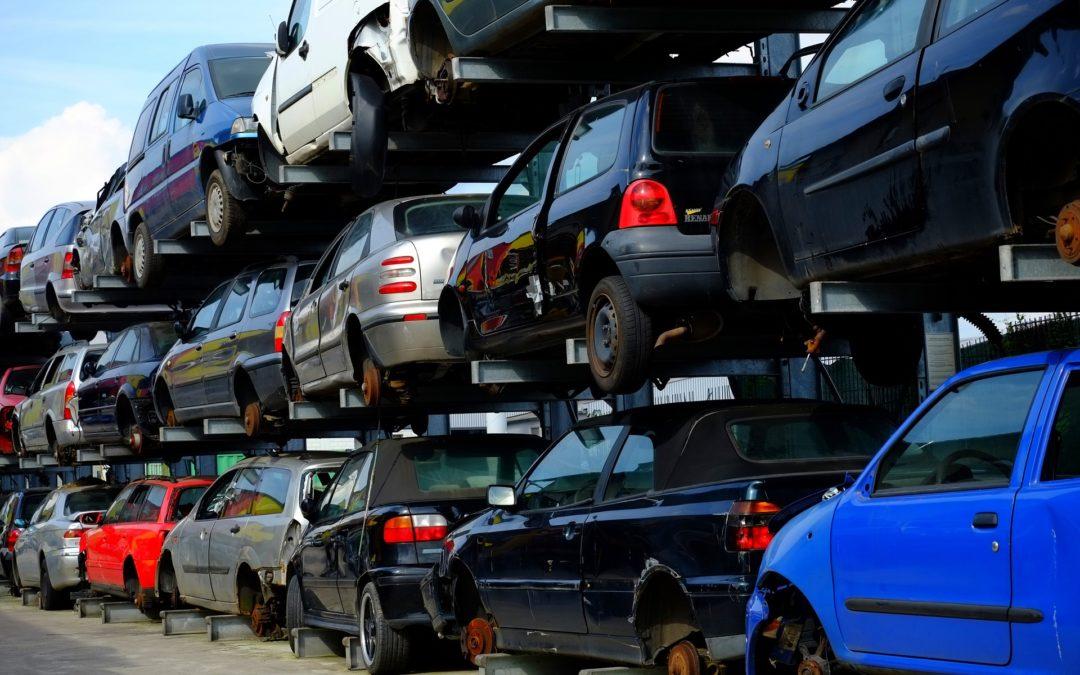
An unroadworthy car sitting parked on a suburban lawn, driveway, or paddock often feels like nothing more than an aesthetic eyesore. When a vehicle suffers catastrophic mechanical failure—such as a blown head gasket, cracked engine block, or snapped transmission—the cost of repairs frequently exceeds the car's market value. Facing steep mechanic bills, many owners put off dealing with the vehicle indefinitely.
Leaving an end-of-life vehicle (ELV) exposed to the elements creates severe ecological risks right on your property. Cars are complex assemblies containing toxic heavy metals, synthetic chemicals, and hazardous petroleum products. Handing an immobilised car over to an authorised auto wrecker or scrap metal facility does far more than clear space: it eliminates biohazards, prevents ground contamination, and feeds valuable materials back into Australia's circular economy.
1. Preventing Hazardous Chemical Leaks into Local Soil and Waterways
Every modern automobile depends on a cocktail of liquid chemical compounds to operate. When a car runs daily, these fluids circulate through sealed, pressurised lines and reservoirs. Once a car sits stationary, natural wear and tear shifts into environmental decay.
The Breakdown of Seals and Hoses
Australia’s intense UV radiation, high summer heat, and fluctuating humidity cause rubber hoses, plastic coolant overflow tanks, and neoprene seals to dry out, crack, and fail. Over time, internal fluids escape:
-
Engine Oil and Transmission Fluid: Contain polycyclic aromatic hydrocarbons (PAHs), zinc, phosphorus, and suspended heavy metal particles picked up through friction.
-
Radiator Coolant (Ethylene Glycol): A sweet-smelling, sweet-tasting chemical that is lethal to domestic pets, native birdlife, and small mammals even in minute quantities.
-
Brake and Power Steering Fluids: Glycol-ether or silicone-based liquids that strip surface finishes and chemically leach into soil.
Ground Contamination and Stormwater Runoff
When these fluids drip onto unsealed surfaces—such as unpaved driveways, grass, or gravel—they soak into the topsoil, killing essential soil microbiomes and rendering the patch barren.
During heavy rainfall, oils and residues on concrete get washed directly into urban stormwater drains. Unlike domestic sewage, stormwater systems in Australian suburbs discharge directly into local creeks, rivers, and coastal estuaries without secondary water treatment. Just one litre of spilled motor oil can contaminate up to one million litres of freshwater, forming an oily surface film that blocks dissolved oxygen and sunlight required by aquatic flora and fauna.
2. Safe Extraction and Neutralisation of Lead-Acid and Lithium Batteries
A non-running car left idle almost always houses a flat battery. Leaving a battery exposed to weather extremes inside an unused engine bay creates a persistent environmental hazard.
Sulfuric Acid and Lead Risks
Standard automotive batteries contain concentrated sulfuric acid and lead plates. Over months of neglect, corrosion builds around terminal posts, and the external polypropylene casing can crack under repeated thermal expansion. If acid breaches the casing, it burns into the vehicle chassis and seeps into the ground. Lead is a non-degradable neurotoxin that binds to organic matter in topsoil, presenting long-term contamination risks for children, pets, and urban gardens.
Professional Depollution Protocols
Certified auto recyclers perform strict depollution before any cutting, crushing, or shearing begins. Batteries are removed, tested, and directed into closed-loop recycling infrastructure. In Australia, compliant battery recycling facilities reclaim up to 98% of the components:
-
Lead is melted down and refined for new batteries.
-
Sulfuric acid is neutralised into water or converted into sodium sulfate for industrial laundry detergents.
-
Plastic cases are chipped, washed, and remoulded into brand-new consumer casings.
3. Halting Greenhouse Gas Emissions from Refrigerant Leaks
Car air conditioning systems use fluorinated greenhouse gases, historically R134a (1,1,1,2-tetrafluoroethane) and more recently R1234yf.
While R134a is non-ozone depleting, it carries a Global Warming Potential (GWP) of approximately 1,430. That means venting a single kilogram of R134a into the atmosphere has the equivalent climate impact of driving a conventional passenger car for thousands of kilometres.
When a vehicle sits derelict, compressor shaft seals dry out, and aluminium condenser tubes develop pinhole corrosion. The refrigerant slowly bleeds into the atmosphere unnoticed.
Under the Commonwealth Ozone Protection and Synthetic Greenhouse Gas Management Act, licensed salvage technicians must use certified recovery units to pump out and capture these gases safely before vehicle dismantling. Captured refrigerants are returned to specialised plants for chemical reclamation or high-temperature plasma destruction, preventing direct venting into the ozone layer.
4. Reducing the Energy Cost of Mining and Virgin Metal Refining
Cars are composed predominantly of metals: steel frames, sheet panels, aluminium engine heads, copper wiring looms, and catalytic converters containing platinum-group elements.
Extracting virgin iron ore and bauxite through open-cut mining demands immense quantities of diesel, water, and electricity, generating heavy carbon emissions.
| Metal Type | Primary Application in Vehicles | Energy Savings from Recycling vs. Raw Mining |
| Structural Steel | Chassis, body shells, door skins, suspension arms | ~74% energy reduction |
| Aluminium | Engine cylinder heads, gearboxes, alloy rims, radiators | Up to 95% energy reduction |
| Copper | Alternators, starter motors, wiring harnesses | ~85% energy reduction |
When you scrap an end-of-life vehicle, the stripped shell is fed into industrial metal shredders that separate ferrous from non-ferrous metals using magnetic drums and eddy-current separators. Remelting scrap steel consumes roughly a quarter of the energy needed to process raw iron ore into new steel. Recycling a single mid-sized vehicle conserves over 1,000 kilograms of iron ore, 600 kilograms of coal, and avoids substantial industrial greenhouse gas output.
5. Supporting the Circular Economy Through Parts Re-use
A complete auto salvage operation does not simply flatten cars into metal cubes. The initial phase prioritises parts harvesting and inventory logging:
-
Component Salvage: Panels, mirrors, headlights, alternators, starter motors, and uncompromised internal components are tested, cleaned, and catalogued for the second-hand spare parts market.
-
Extending Existing Vehicle Lifespans: Supplying workshops and DIY mechanics with genuine recycled parts keeps other older vehicles on the road without requiring the manufacture, packaging, and international shipping of newly minted replacement parts.
-
Diverting Landfill Bulk: Glass, sound-deadening rubber, interior fabrics, and composite plastics are sorted into dedicated recycling streams wherever industrial processing capacity exists, keeping massive volumes out of municipal tips.
If you are weighing your options across Queensland and need a straightforward way to clear an unroadworthy or written-off vehicle safely, established collection specialists like Cash For Cars Brisbane pick up immobilised cars directly from residential and commercial sites, transporting them to compliant dismantling yards so fluids, metals, and usable parts are processed within environmental standards.
6. Eliminating Neighbourhood Health Hazards and Pests
Beyond chemical spills and industrial resource consumption, abandoned vehicles degrade suburban environments in immediate, tangible ways:
-
Pest Harborage: Dark, damp cavities under dashboards, floor mats, and boot wells provide ideal nesting grounds for vermin, wasps, and venomous spiders.
-
Fire Hazards: Stale fuel in aging tanks combined with dry leaves accumulating beneath engine bays can ignite during intense bushfire conditions or spark from electrical shorts.
-
Shattered Safety Glass and Sharp Metal Rust: Degraded body panels produce jagged rust flakes and weak structural pillars that can cause severe puncture injuries to children and pets playing nearby.
Removing a neglected vehicle restores neighbourhood safety, cleans up local council streetscapes, and clears driveway space for daily needs.
Frequently Asked Questions
Can a car that doesn't run at all still be recycled?
Yes. Auto recycling facilities do not require an engine to turn over or a car to be roadworthy. The fundamental value lies in the metal weight (steel, iron, and aluminium), catalytic converters, and undamaged bolt-on components. Specialised tilt-tray tow trucks winch completely immobilised, seized, or wheel-less cars onto their beds safely.
Do I need to drain the fluids myself before selling a car for scrap?
No, and in most residential areas, it is strongly advised that you do not attempt this. Draining fluids at home without an industrial hoist and recovery tanks regularly results in driveway spills, eye injuries, and improper disposal into household bins or council drains. Licensed recyclers possess sealed drainage bays, vacuum extraction rigs, and bunded holding tanks to decant and store lubricants, coolants, and fuel under strict environmental guidelines.
How much of an average car can actually be recycled?
Across modern Australian vehicle recycling yards, roughly 80% to 90% of a vehicle's total weight is successfully recovered and repurposed. Ferrous and non-ferrous metals account for the largest proportion, while tires, batteries, and mechanical accessories make up the remainder of reclaimed materials. Ongoing advancements in plastic separation continue to lift resource recovery rates each year.
What legal paperwork do I need to scrap a non-running car in Australia?
You must verify legal ownership of the vehicle using photo identification (such as an Australian Driver's Licence) and vehicle ownership documents (registration papers, purchase receipt, or statutory declaration). Once the car is transferred to an auto recycler, remove the physical number plates and lodge a Notice of Disposal with your relevant state transport authority (e.g., Service NSW, VicRoads, or QLD Department of Transport and Main Roads) to cancel the registration and ensure you are not held liable for any future toll or administrative notices.
Are old car tires recycled or sent to landfill?
Under national tyre stewardship schemes (such as Tyre Stewardship Australia), responsible recyclers divert used rubber away from open dumps. End-of-life tires are shredded to extract internal steel belts, while the vulcanised rubber is granuled into crumb rubber. This rubber crumb is reused in soft-fall playground surfaces, athletic running tracks, conveyor belts, and as an additive in asphalt to produce quieter, crack-resistant road surfaces.

 Arabic
 French
 Spanish
 Portuguese
 Deutsch
 Turkish
 Dutch
 Italiano
 Russian
 Romaian
 Portuguese (Brazil)
 Greek