


What Factors Affect the Cost of Non-Surgical Hair Replacement?
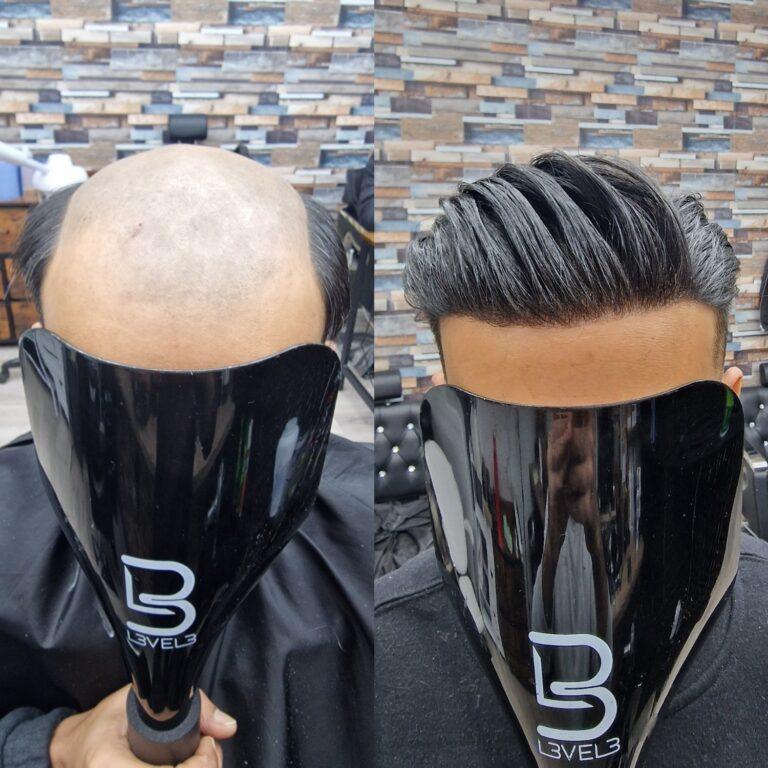
Non-surgical hair replacement can be a practical option for men who want to address hair loss without undergoing surgery. Modern hair systems can provide immediate coverage and can be customised to suit different hairstyles, hair colours and patterns of hair loss.
However, the cost of a hair replacement system is not the same for everyone. The price depends on the system itself, the area being covered, the fitting service and the maintenance required afterwards.
Understanding these factors before booking a consultation can help you compare providers and plan for the full cost of wearing a hair system.
1. The Type of Hair System
One of the main factors affecting the cost is the type of system you choose. Hair systems are available in different base materials, including lace, skin or polyurethane, monofilament and hybrid designs.
Lace systems
Lace systems use a fine mesh base that allows air to pass through. They are often chosen by men who prioritise breathability and a soft-looking hairline.
The price can depend on the quality of the lace, the system’s construction and whether it is a standard or customised design.
Skin or polyurethane systems
Skin systems use a thin membrane that sits against the scalp. Some are designed with an especially thin front edge to create a subtle hairline, while thicker versions may offer greater durability.
The material’s thickness, quality and construction can affect the price and expected lifespan.
Monofilament and hybrid systems
Monofilament bases use a mesh material that can provide a balance between strength and appearance. Hybrid systems combine different materials to offer a mix of features, such as a lace front with a different base material elsewhere.
The best option depends on your needs, and the most expensive system is not necessarily the most suitable one.
2. The Size of the Area Being Covered
The amount of coverage required can influence the cost of non-surgical hair replacement.
A man who wants to address a receding hairline may need a smaller frontal system. Someone with thinning across the crown or a larger area of hair loss may require a larger system.
The size of the base, amount of hair used and level of customisation can all affect the final price.
A consultation can help determine whether a smaller system, frontal piece or full hair system is appropriate. It is worth discussing the coverage you want rather than assuming that every person needs the same type of system.
For men mainly concerned about the front hairline, London Hair Replacement provides details about its frontal hair system service here:
https://www.londonhairreplacement.co.uk/frontal-hair-system/
3. Hair Quality, Length and Density
The hair attached to the system is another important cost factor. Systems may use human hair, synthetic hair or a blend, depending on the product.
Human hair can offer natural movement and styling flexibility, but the price may vary according to its quality, origin, length and processing.
Density also matters. A system with more hair may cost more than one with a lighter density. However, choosing the highest density is not always the best approach. The system should blend with your existing hair and suit your preferred appearance.
Hair length, wave pattern, colour and texture can also affect the level of matching and customisation required.
4. Standard or Custom-Made Design
Some hair systems are available in standard sizes and specifications. These may be suitable for men whose coverage needs and hair characteristics match the available designs.
A custom system can be made to suit more specific measurements and preferences. Customisation may include the base shape, hairline, density, colour, texture and hair direction.
Because custom systems require additional work and may take longer to produce, they can cost more than standard options.
Before choosing a custom system, ask which features are genuinely necessary for your desired result. A specialist can help you understand whether a standard system would meet your needs or whether customisation would provide a meaningful benefit.
5. Fitting, Cutting and Blending
The system itself is only one part of the total cost. Professional fitting can include scalp preparation, measuring or creating a template, attaching the system, cutting the hair and blending it with your natural hair.
The cutting and blending stage is particularly important. A system that has not been shaped properly may look disconnected from the wearer’s existing hair, even if the system itself is good quality.
Some providers include fitting and styling in the initial price, while others charge separately. Always check what the quoted amount covers.
The service page lists the consultation, fitting, haircut and blend as part of the appointment. Check the current price and inclusions directly with the salon before booking.
6. The Experience of the Specialist
The specialist’s experience can also influence the price of a fitting service.
A good fitting involves more than attaching a system to the scalp. It requires attention to the hairline, base placement, colour matching, density and how the replacement hair blends with the wearer’s own hair.
A specialist should also explain the care requirements and help you understand what is realistic for your hair loss pattern.
When comparing providers, consider the service offered rather than focusing only on the lowest advertised price. Ask whether the fitting includes cutting and blending, whether adjustments are available and what support is provided after the appointment.
7. Maintenance and Reattachment
Hair systems need regular maintenance to remain clean, secure and well blended. This can be one of the most important ongoing costs to consider.
A maintenance appointment may involve removing the system, cleaning the base and scalp, applying fresh adhesive or tape, trimming and restyling the hair.
The recommended schedule varies according to the system, attachment method, scalp condition and lifestyle. Many wearers attend maintenance appointments every few weeks, but the specialist should provide guidance based on the system being used.
When comparing prices, ask how much each maintenance appointment costs and what is included. Some salons may also offer packages for clients who book several visits together.
8. The Lifespan of the System
A hair system eventually needs to be replaced. Its lifespan can depend on the base material, hair quality, attachment method, frequency of wear and care routine.
Some systems may last longer than others, but no lifespan estimate should be treated as a guarantee. Daily wear, exposure to friction, cleaning methods and individual care habits can affect how long the system remains suitable.
When comparing options, consider both the initial price and how often you may need a replacement. A lower-priced system that needs replacing more frequently may not always be the least expensive option over time.
Ask the provider for a realistic estimate based on the system they recommend and how you intend to wear it.
9. Aftercare Products and Home Maintenance
Some men use professional maintenance services for most of their system care, while others manage certain tasks at home.
Depending on the system and attachment method, you may need suitable shampoo, conditioner, adhesive or tape, remover and other care products. Using unsuitable products or handling the system roughly may affect its appearance or lifespan.
Before buying products, ask the specialist which ones are appropriate for your system. You should also ask which maintenance tasks can safely be done at home and which are better handled professionally.
These additional costs may seem small individually, but they should still be included in your budget.
10. The Provider’s Location and Service Structure
The location of the salon and the way it structures its services can affect the total cost.
A salon may offer a complete package that includes the system, consultation, fitting, cutting and styling. Another provider may charge separately for each stage.
Travel costs can also matter if you need to visit regularly for maintenance. Choosing a provider that is convenient to reach may make ongoing appointments easier to manage.
Before booking, compare the full service rather than just the system price. A clear quote should explain what is included and identify any additional charges.
How to Compare Hair Replacement Prices
When comparing providers, ask for a complete breakdown of the cost. It should explain the system, fitting, cutting and styling, as well as the likely price of maintenance and replacement.
It can help to estimate the cost over a year. Include the initial fitting, regular maintenance appointments, care products and any expected replacement costs.
For example, London Hair Replacement lists its new system fitting and maintenance services on its website:
https://www.londonhairreplacement.co.uk/
Prices and service details can change, so check the current information directly with the provider before making a decision.
Is a More Expensive System Always Better?
Not necessarily. A higher price may reflect customisation, materials or additional services, but that does not automatically mean the system is the best choice for every wearer.
A suitable system should match your hair loss pattern, preferred style, comfort needs and maintenance routine. A less expensive option may be appropriate if it provides the coverage and features you need.
The key is to understand what you are paying for. Ask the specialist to explain the differences between the available options and why they recommend a particular system for you.
Plan for the Full Investment
The cost of non-surgical hair replacement depends on several factors, including the base material, coverage area, hair quality, customisation, fitting, maintenance and replacement frequency.
The most useful approach is to compare the complete service rather than focusing only on the initial price. Ask clear questions, understand the ongoing commitment and choose a system that fits both your expectations and your budget.
A consultation can help you receive a more accurate estimate based on your individual needs. With clear information and realistic expectations, you can make a more confident decision about whether non-surgical hair replacement is right for you.

 Arabic
 French
 Spanish
 Portuguese
 Deutsch
 Turkish
 Dutch
 Italiano
 Russian
 Romaian
 Portuguese (Brazil)
 Greek