


Painting Exterior Furniture: A Complete Guide to Protecting and Transforming Outdoor Furniture
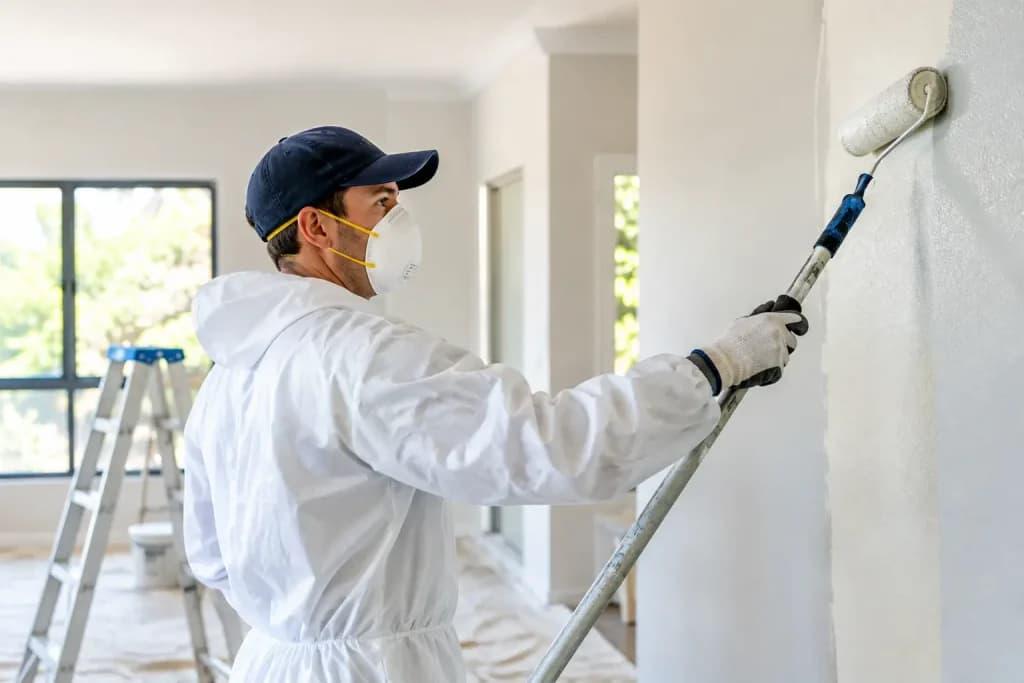
Outdoor furniture plays an important role in making gardens, patios, balconies and outdoor seating areas more attractive and comfortable. However, furniture kept outside is regularly exposed to changing weather conditions, sunlight, moisture, dust and temperature fluctuations. Over time, these factors can cause paint to peel, colours to fade and surfaces to deteriorate. Giving outdoor furniture a fresh coat of paint is an effective way to improve its appearance while providing additional protection against environmental damage.
Whether you have wooden garden chairs, metal tables, benches or decorative outdoor furniture, selecting the correct paint and following suitable preparation methods can make a significant difference to the finished result. A successful project requires more than simply applying paint to an existing surface. Cleaning, sanding, repairing damage, choosing suitable products and allowing sufficient drying time are all essential steps.
Understanding the correct techniques for painting exterior furniture helps homeowners achieve an attractive, durable finish that complements their outdoor surroundings. With proper preparation and regular maintenance, furniture can remain visually appealing and useful for many years.
This guide explains everything homeowners should consider before starting an outdoor furniture painting project, including material selection, preparation, painting techniques, colour choices and long-term care.
Why Painting Outdoor Furniture Is Important
Outdoor furniture experiences more environmental exposure than most indoor furnishings. Rain, sunlight, humidity and airborne dirt can gradually affect its condition. Applying an appropriate protective coating can help maintain its appearance and improve its resistance to everyday outdoor conditions.
Protecting Furniture from Weather Damage
Moisture is one of the main factors that can affect outdoor furniture. Wooden furniture may absorb water, resulting in swelling, cracking or deterioration. Metal furniture can also develop rust when its protective coating becomes damaged.
Suitable exterior paints and protective finishes create a barrier between the furniture surface and environmental exposure. However, the level of protection depends on the material, product quality and application method.
Improving the Appearance of Outdoor Spaces
Old or faded furniture can make an otherwise attractive garden or patio look neglected. A fresh finish can transform existing pieces without requiring homeowners to purchase completely new furniture.
For example, neutral shades can create a sophisticated outdoor setting, while brighter colours can introduce personality and visual interest.
Extending Furniture Usability
Replacing outdoor furniture can be expensive, particularly when several pieces need upgrading. Restoring existing items through careful preparation and repainting may provide a more economical alternative.
Furthermore, addressing small surface imperfections before they become serious problems can help maintain the furniture's condition.
Understanding Different Types of Exterior Furniture
Before selecting paint, it is important to identify the material being painted. Different surfaces require different preparation methods, primers and coatings.
Painting Wooden Outdoor Furniture
Wood is a popular material for garden benches, tables, chairs and decorative furniture. Although it provides a natural appearance, untreated wood can be vulnerable to moisture and sunlight.
Before painting wooden furniture, inspect it for cracks, splinters, loose joints and signs of deterioration.
Important preparation steps include:
·
Removing dirt, dust and loose paint.
·
·
Sanding rough areas to create a smooth surface.
·
·
Repairing minor cracks using a suitable exterior wood filler.
·
·
Allowing damp wood to dry completely.
·
·
Applying an appropriate wood primer before painting.
·
An exterior paint designed for wood can provide a protective finish while allowing homeowners to choose from a wide range of colours.
Painting Metal Garden Furniture
Metal furniture is commonly used for outdoor dining sets, benches and decorative garden features. Materials may include steel, aluminium and wrought iron.
Steel and iron furniture require particular attention because exposed metal can develop rust.
Before applying paint, remove loose rust, dirt and flaking coatings. A suitable metal primer should then be applied to improve adhesion and support corrosion protection.
Aluminium generally requires a compatible preparation system and primer because ordinary paint may not adhere properly to an untreated surface.
Painting Plastic Outdoor Furniture
Plastic garden furniture is lightweight, affordable and relatively easy to maintain. However, its smooth surface can make painting more challenging.
Not every paint is suitable for plastic. Homeowners should choose a coating specifically designed for the particular plastic surface.
Cleaning, light surface preparation where recommended and applying a compatible bonding primer can improve the finished result.
Preparing Furniture Before Applying Paint
Preparation is one of the most important stages of any outdoor furniture restoration project. Even high-quality paint may fail if it is applied over dirt, loose coatings or poorly prepared surfaces.
Cleaning the Furniture Thoroughly
Begin by removing cushions, accessories and detachable components.
Use an appropriate cleaning solution to remove:
·
Dust and loose dirt.
·
·
Grease and oily marks.
·
·
Bird droppings.
·
·
Mould and surface deposits.
·
·
Old cleaning product residue.
·
After cleaning, rinse where necessary and allow the furniture to dry completely.
Avoid using excessive water on damaged wooden furniture because moisture can penetrate exposed areas and affect the material.
Removing Old Paint and Rust
Existing coatings should be inspected carefully. Paint that is peeling, blistering or flaking needs to be removed before a new finish is applied.
A suitable scraper or sanding equipment can help remove loose paint. For metal furniture, use an appropriate rust-removal method to prepare affected areas.
It is not always necessary to remove every section of sound existing paint. However, the remaining coating must be stable and compatible with the new paint system.
Sanding and Repairing Surfaces
Sanding helps create an appropriate surface for the new coating. It can also remove rough edges and improve the appearance of previously painted furniture.
Use suitable sandpaper for the material and condition of the furniture.
After sanding, remove all dust using a clean cloth or appropriate cleaning equipment.
Any damaged joints, loose components or minor surface imperfections should also be repaired before painting begins.
Choosing the Best Paint for Exterior Furniture
Selecting the right paint is essential for achieving a durable and attractive result. The most suitable product depends on the furniture material, existing finish and expected environmental exposure.
Exterior Wood Paint
Exterior wood paint is formulated for outdoor timber surfaces. Depending on the product, it may provide resistance to moisture, sunlight and everyday wear.
Some products offer an opaque colour finish, while others are designed to preserve visible wood grain.
Always check whether the product is suitable for the specific type of furniture and whether additional sealing is recommended.
Metal Paint and Protective Coatings
Metal paints are available in different finishes, including gloss, satin and matt.
For iron and steel furniture, a compatible anti-corrosion primer is particularly important. Some products combine priming and finishing functions, although manufacturer instructions should always determine whether additional preparation is necessary.
Paint Designed for Plastic
Plastic-specific paints are formulated to adhere to suitable plastic surfaces.
Before purchasing, check the manufacturer's guidance regarding compatible materials, preparation requirements and application conditions.
Using ordinary household paint without checking compatibility may result in poor adhesion, cracking or peeling.
Step-by-Step Guide to Painting Exterior Furniture
A structured approach makes the painting process easier to manage and improves the likelihood of achieving consistent results.
Step 1: Select a Suitable Working Area
Choose a clean, well-ventilated and sheltered location.
Avoid painting in direct sunlight, strong winds or damp conditions. Extreme temperatures can affect how paint spreads, dries and cures.
Check the weather forecast before starting an outdoor project, particularly if furniture needs to remain outside during the process.
Step 2: Apply the Correct Primer
Primer helps prepare the surface and improves the adhesion of the finishing coat.
Choose a primer that matches the furniture material and intended paint system.
Apply an even layer, paying particular attention to edges, corners and joints where coverage may otherwise be inconsistent.
Allow the primer to dry according to the manufacturer's instructions.
Step 3: Apply the First Coat of Paint
Use a suitable brush, roller or spray application system depending on the furniture's shape and the paint manufacturer's recommendations.
Work carefully to prevent excessive paint accumulation, particularly around joints and decorative details.
When painting exterior furniture, applying thin, even coats generally produces a more consistent finish than applying one excessively thick layer.
Step 4: Allow Sufficient Drying Time
Drying times vary depending on the paint type, temperature, humidity and surface material.
Do not rush the process by applying another coat before the previous layer has dried sufficiently.
Following the manufacturer's recommended intervals helps prevent uneven finishes and coating defects.
Step 5: Apply Additional Coats
Most furniture projects require more than one coat to achieve consistent colour and coverage.
Apply additional layers as recommended by the product manufacturer.
Inspect the furniture between coats to identify missed areas, uneven patches or visible brush marks.
Step 6: Allow the Paint to Cure
Paint may feel dry to the touch before it has fully cured.
Curing allows the coating to develop its intended durability. Avoid placing heavy objects on the furniture or using it regularly until the recommended curing period has passed.
Choosing Colours That Complement Your Outdoor Space
Colour selection can influence the entire appearance of a garden or patio. The right shade should complement the surrounding environment, property exterior and other outdoor features.
Neutral Colours for a Timeless Appearance
White, cream, grey and beige are popular choices for outdoor furniture.
These colours work particularly well with natural stone, brickwork and wooden decking. They also create a simple appearance that can suit different garden styles.
Natural Green and Earthy Shades
Olive green, forest green and muted brown can blend naturally with plants, trees and other garden features.
These colours are suitable for homeowners who prefer a traditional or nature-inspired outdoor setting.
Bold Colours for Decorative Features
Blue, terracotta, yellow and other vibrant shades can introduce character into outdoor seating areas.
However, bold colours should be selected carefully to avoid making the overall design feel overcrowded.
Matching Furniture with Existing Features
Consider the colour of garden walls, fencing, paving, decking and outdoor accessories before making a final decision.
A coordinated colour scheme creates a more organised appearance and helps individual furniture pieces work together visually.
Common Mistakes to Avoid When Painting Outdoor Furniture
Although repainting furniture may appear straightforward, certain mistakes can affect the quality and lifespan of the finished coating.
Skipping Surface Preparation
Painting over dirt, rust or loose coatings can cause adhesion problems.
Always clean and prepare the surface properly before applying primer or paint.
Using Interior Paint Outdoors
Interior paint is not necessarily designed to withstand outdoor exposure.
Using an unsuitable product may lead to premature fading, peeling or deterioration.
Always select a coating specifically recommended for the furniture material and outdoor conditions.
Applying Excessively Thick Coats
Thick paint layers may dry unevenly and produce visible drips or an inconsistent surface.
Several controlled coats are generally preferable to one heavy application.
Ignoring Weather Conditions
Rain, excessive humidity and extreme temperatures can interfere with paint application and drying.
Check the product's recommended application conditions before starting.
Failing to Protect Surrounding Areas
Paint splashes can damage paving, decking, walls and plants.
Use protective sheets and suitable masking materials to keep surrounding surfaces clean.
Maintaining Painted Exterior Furniture
Once the project is complete, regular maintenance can help preserve the appearance and condition of outdoor furniture.
Clean Furniture Regularly
Remove dust, leaves and dirt using suitable cleaning methods.
Avoid abrasive products that could scratch or damage the paint finish.
Inspect for Peeling and Surface Damage
Check painted furniture periodically for scratches, cracks and areas where the coating has started to deteriorate.
Addressing small defects early can help prevent further damage.
Protect Furniture During Severe Weather
Where practical, use suitable outdoor furniture covers during prolonged periods of heavy rain or harsh weather.
Move lightweight furniture into sheltered storage during severe conditions if possible.
Refresh Protective Coatings When Necessary
Outdoor coatings gradually experience wear.
Depending on the material, product and exposure, furniture may eventually require cleaning, light sanding and another coat of paint.
Regular inspections help determine when maintenance is needed.
When to Consider Professional Painting and Restoration Services
Some furniture restoration projects can be completed independently, particularly when the surfaces are in good condition and only require minor preparation.
However, professional assistance may be worthwhile when dealing with extensive peeling, corrosion, damaged surfaces or large collections of outdoor furniture.
Complex Surface Preparation
Removing old coatings, treating rust and repairing damaged timber can require specialist equipment and experience.
Incorrect preparation may affect the final appearance and performance of the new coating.
Achieving a Consistent Finish
Professional painting techniques can help produce even coverage across furniture with complicated shapes, decorative details and multiple components.
This is particularly important when restoring matching garden furniture sets.
Saving Time and Avoiding Unnecessary Costs
A poorly executed project may require additional preparation and repainting.
Professional guidance can help homeowners select suitable materials and avoid common mistakes that lead to unnecessary expenditure.
Aberdeen Roof Repairs is a business name homeowners may encounter when exploring property maintenance and improvement services. When considering any contractor for an outdoor furniture project, it is important to confirm that the specific painting and restoration work is included in their services.
Conclusion
Outdoor furniture can remain attractive and functional when it receives suitable preparation, appropriate paint and regular maintenance. From wooden benches and metal chairs to plastic garden tables, every material requires a compatible painting system and careful application.
Successful painting exterior furniture involves cleaning, sanding, repairing damaged areas, selecting suitable primers and applying controlled coats under appropriate weather conditions. Furthermore, regular inspections and protective measures can help maintain the finished appearance and reduce premature deterioration.
Homeowners should always prioritise suitable materials, correct preparation and reliable workmanship when planning exterior improvement projects. For wider property maintenance requirements, Aberdeen Roof Repairs provides a business to consider when exploring relevant services, with the specific scope of work confirmed before making an arrangement. By taking a careful and informed approach, outdoor furniture can become a lasting and attractive feature of any garden or patio.
 Portuguese (Brazil)
 English
 Arabic
 French
 Spanish
 Portuguese
 Deutsch
 Turkish
 Dutch
 Italiano
 Russian
 Romaian
 Greek