


Understanding Treatment Options Available for Sciatica Treatment Olympia
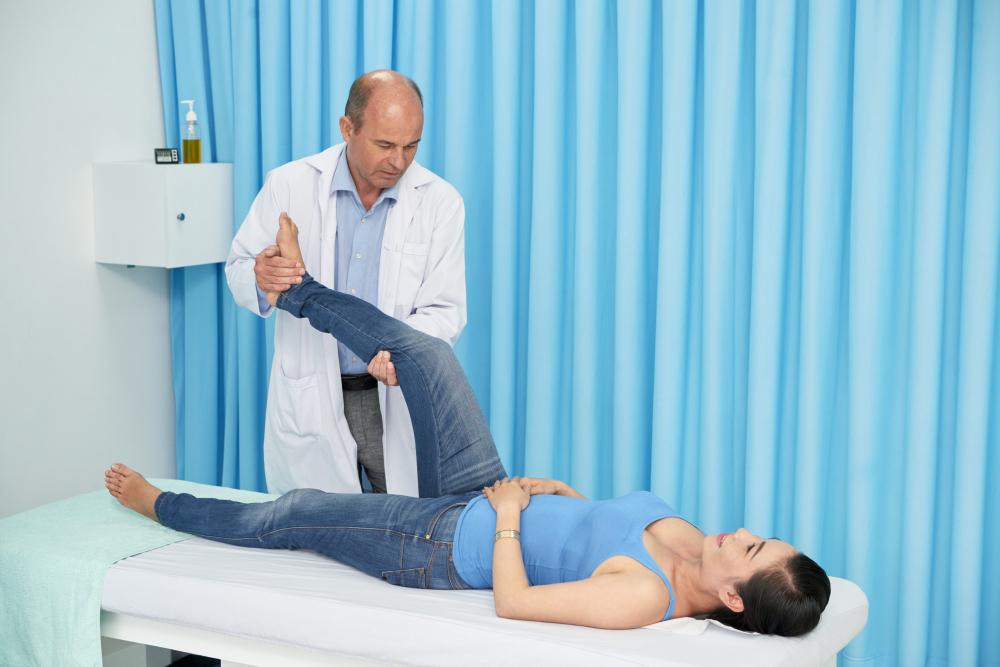
Pain that travels from the lower back through the hip and into the leg can make walking, sitting, and standing uncomfortable. This pattern is often associated with irritation or compression of the sciatic nerve or the nerve roots that contribute to it. People researching Sciatica Treatment Olympia may want to understand why these symptoms occur and which care options may be appropriate. Sciatica describes a group of symptoms rather than one specific disease. A careful assessment is important because similar leg pain can arise from several spinal, muscular, joint, or medical conditions.
Understanding the Sciatic Nerve
The sciatic nerve is the largest nerve in the body. It is formed from nerve roots in the lower spine and travels through the buttock and down each leg. It contributes to movement and sensation in parts of the lower body. When a nerve root or part of the sciatic nerve becomes irritated, symptoms may include pain, tingling, numbness, or weakness. The discomfort often affects one side, although patterns can vary. Understanding the path of the nerve helps explain why a problem originating near the lower back may be felt farther down the leg.
Common Causes of Sciatica Symptoms
Sciatica symptoms may develop when a spinal nerve root is irritated or compressed. A herniated disc is one possible cause, while narrowing around the spinal nerves, age related changes, or certain spinal conditions may also contribute. In some individuals, muscles and structures around the hip or buttock may irritate nearby nerves. Prolonged sitting, lifting, and repetitive movements can aggravate symptoms, although they are not necessarily the underlying cause. Because several conditions can produce similar complaints, a healthcare professional should assess the symptom pattern before treatment begins.
Recognizing Common Symptoms
Sciatic symptoms often include pain that begins in the lower back or buttock and travels into the thigh or lower leg. Some people describe burning, electric, or shooting sensations, while others experience tingling or numbness. Symptoms may become more noticeable during sitting, bending, coughing, or certain movements. Weakness in the leg or foot can indicate more significant nerve involvement. The exact location and intensity differ between individuals. A clear description of when symptoms occur and how they change can help a practitioner determine whether further examination or referral is needed.
Why Accurate Assessment Matters
An evaluation generally includes a review of symptom history, previous injuries, medical conditions, and daily activities. A practitioner may assess spinal movement, leg strength, sensation, reflexes, and specific movements that reproduce symptoms. Imaging is not necessary for every person with sciatica, but a healthcare professional may recommend it when symptoms are severe, persistent, or suggest a more complex condition. The goal is to identify possible causes, rule out concerning conditions, and select an appropriate management strategy. Treatment should not be based only on the assumption that all leg pain is sciatica.
Conservative Approaches to Sciatica Management
Many cases of sciatica are initially managed with conservative approaches when serious warning signs are absent. Recommendations may include maintaining tolerable activity, modifying movements that aggravate symptoms, and gradually rebuilding strength and mobility. Some people may benefit from guided exercise or physical rehabilitation. Manual treatment may be considered in selected cases, but the choice depends on the examination findings and the suspected cause. A suitable plan should explain what each intervention is intended to achieve and how progress will be assessed. More information about chiropractic care and conservative treatment options can support an informed discussion.
The Role of Chiropractic Care
Chiropractic care may be considered for some people with lower back related musculoskeletal symptoms, provided an evaluation indicates that treatment is appropriate. Care may involve movement guidance, exercise recommendations, and selected manual techniques. Not every person with sciatica is a suitable candidate for spinal manipulation, especially when significant nerve compression or progressive neurological symptoms are present. A practitioner should explain the limitations of treatment and refer patients when medical evaluation is needed. Chiropractic care should be considered as one possible component of a broader plan rather than a guaranteed solution.
Supporting Lower Back Function
The lower back plays a major role in bending, lifting, walking, and maintaining balance. When symptoms affect this region, people may change how they move to avoid discomfort. Prolonged avoidance of activity can sometimes reduce strength and confidence. A gradual return to comfortable movement may help preserve function, although the appropriate level of activity depends on the person's condition. Individuals can explore back pain treatment approaches to understand how lower back symptoms may be evaluated and managed.
Managing Activities During Recovery
People with sciatic symptoms may need to adjust activities temporarily. Alternating between sitting, standing, and walking can help reduce prolonged pressure from one position. Heavy lifting, repeated bending, or movements that sharply increase leg pain may need modification. Complete inactivity is not generally helpful for uncomplicated back pain, but exercise should be selected carefully. A practitioner may recommend a gradual routine that supports mobility and strength without provoking significant symptoms. Keeping track of activities that improve or worsen discomfort can also help guide treatment decisions.
When Sciatica Symptoms Require Urgent Care
Certain symptoms require immediate medical assessment. New loss of bladder or bowel control, difficulty passing urine, numbness around the groin or saddle region, or rapidly worsening weakness in one or both legs may indicate a serious condition involving the lower spinal nerves. Severe symptoms after major trauma also need prompt evaluation. Fever, unexplained weight loss, a history of cancer, or persistent night pain may require further investigation. These warning signs should never be managed through routine chiropractic appointments alone.
Setting Realistic Expectations for Recovery
Recovery varies according to the cause of nerve irritation, symptom duration, general health, and response to treatment. Some people improve over time with conservative care, while others require additional medical investigation or different treatment options. A realistic plan focuses on functional goals, such as walking more comfortably, returning to work, or improving tolerance for everyday activities. Persistent symptoms should be reviewed rather than treated indefinitely without reassessment. Open communication between the patient and healthcare professional helps ensure that the plan remains appropriate as symptoms change.
Conclusion
Sciatica can affect mobility and daily comfort, but its causes and severity vary. Effective management begins with identifying the source of symptoms and checking for signs that require urgent medical attention. Conservative care may include activity adjustments, exercise, education, and selected manual approaches when appropriate. Chiropractic treatment may be an option for some individuals, but it is not suitable for every presentation and cannot guarantee nerve recovery. Bay Center Chiropractic Olympia provides information about chiropractic services for individuals exploring care options for lower back discomfort and related movement concerns.
 French
 English
 Arabic
 Spanish
 Portuguese
 Deutsch
 Turkish
 Dutch
 Italiano
 Russian
 Romaian
 Portuguese (Brazil)
 Greek