


Single-Colour, Bi-Colour and Multi-Colour LED Indicating Lamps: Understanding Their Industrial Applications
Introduction
Visual signalling plays an important role in industrial electrical installations. Whether it is a manufacturing unit, power distribution system, or automated production line, operators need a simple way to identify different equipment conditions. The choice of an appropriate indicator can make panel monitoring more organized and easier to understand.
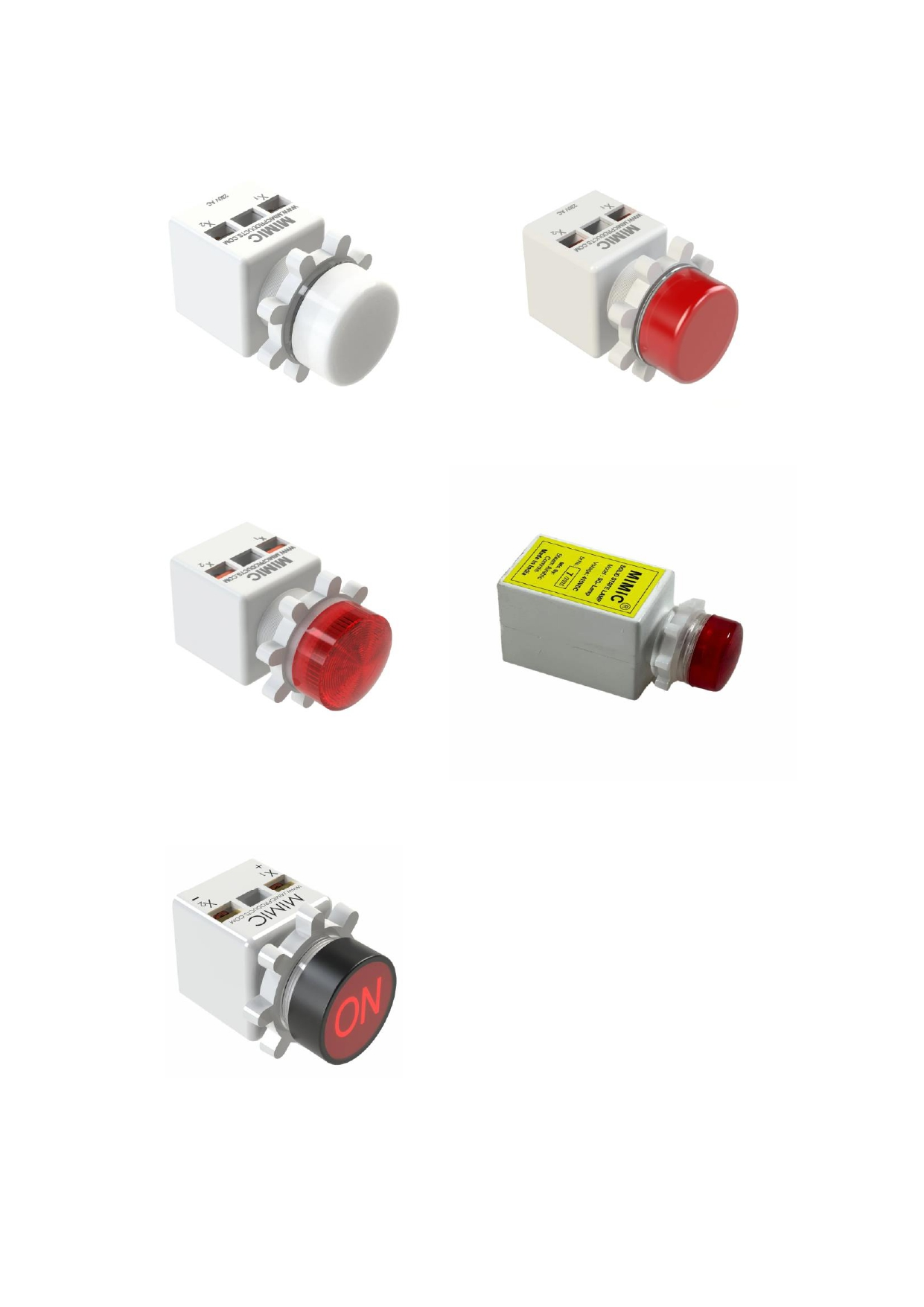
An LED Indicating Lamp is available in different colour configurations to support various signalling requirements. Single-colour, bi-colour, and multi-colour designs offer different possibilities for displaying electrical and operational information.
Understanding these options helps electrical engineers, panel manufacturers, and maintenance professionals choose suitable components for their installations.
Why Colour Configuration Matters
Colour is one of the most recognizable elements of a visual signalling system. When operators become familiar with a panel's colour arrangement, they can interpret different conditions without reading lengthy descriptions.
For example, a green indicator might be assigned to normal operation, while a red indicator could represent a trip or fault condition. Amber may be used for warnings that require attention.
The important point is consistency. Every installation should have a clearly documented signalling arrangement so that operators understand what each illuminated signal represents.
1. Single-Colour LED Indicating Lamps
Single-colour indicators produce illumination in one selected colour. They are commonly used when a panel needs to communicate one specific condition.
For example, an electrical distribution panel may use separate red, green, and amber indicators for different circuits.
Key characteristics:
-
Dedicated illumination colour.
-
Simple visual interpretation.
-
Suitable for individual status signals.
-
Convenient integration into electrical control panels.
-
Available in different voltage and mounting configurations, depending on the model.
Single-colour indicators are particularly useful when several independent conditions must be displayed at different panel locations.
2. Bi-Colour LED Indicating Lamps
A bi-colour indicator combines two colours within a single lamp assembly. This arrangement allows one indicator position to communicate two designated conditions.
For example, a machine might use green illumination to represent an available condition and red illumination to represent a different operating state.
The actual colour combinations and switching arrangements depend on the selected product.
Advantages of Bi-Colour Designs
Space utilization: Two colour indications can be accommodated within one panel position.
Simplified panel layout: Fewer separate indicator positions may be needed for selected applications.
Easy identification: Operators can distinguish between two assigned conditions through colour changes.
Flexible signalling: Different colour combinations can support different control philosophies.
Bi-colour indicators are worth considering when panel space is limited and two distinct signals need to be represented at a common location.
3. Multi-Colour Indication
Some applications require more than two visual states. Multi-colour indicator arrangements can support these requirements, depending on the product design and control circuit.
A multi-colour arrangement may be useful in complex machinery, automated production systems, and equipment where multiple operating states must be communicated.
The designer should ensure that the selected indicator and its wiring arrangement support the required colour combinations.
Understanding Lens Colours and Their Meanings
Common industrial indicator colours include:
|
Colour |
Typical signalling purpose |
|---|---|
|
Red |
Fault or trip status |
|
Green |
Normal operation |
|
Amber |
Warning or attention |
|
Blue |
Designated instruction or status |
|
White |
General indication |
Colour meanings should be defined according to the relevant electrical standards and site-specific signalling requirements.
Where Are Different Colour Indicators Used?
Motor Control Panels
Separate indicators may be used to communicate motor availability, running conditions, and trip status.
Electrical Distribution Boards
Different coloured lamps can help display selected supply and circuit conditions.
Industrial Automation
Machine operators can identify operating modes and selected process conditions through colour-based signals.
Instrumentation Panels
Visual indicators can supplement readings and other information displayed by monitoring instruments.
Manufacturing Equipment
Production machinery can use multiple indicators to communicate readiness, operation, warnings, and stoppages.
Important Selection Considerations
Before purchasing a colour-based indicator, evaluate the following technical requirements:
-
Number of signals: Determine whether the application needs one, two, or multiple colour states.
-
Voltage compatibility: Confirm the rated AC or DC supply.
-
Panel cut-out: Verify the mounting diameter and available installation space.
-
Illumination: Consider brightness and visibility under actual working conditions.
-
Connection arrangement: Check the terminal configuration and control requirements.
-
Operating environment: Consider temperature, dust, moisture, and other installation conditions.
-
Maintenance access: Ensure that inspection and replacement can be performed safely.
LED Indicating Lamp Options at Mimic Products
Mimic Products provides different LED indicator configurations for electrical control panel applications. Its product range includes single-colour and bi-colour options, with different voltage, colour, and mounting choices depending on the model.
The available product information also includes different body designs and operating functions, allowing users to review alternatives for specific electrical installations.
Visit the category to explore the available range:
Conclusion
Single-colour, bi-colour, and multi-colour indicators serve different purposes in industrial signalling systems. The right configuration depends on the number of conditions that need to be displayed, available panel space, and the electrical design.
A well-planned colour arrangement can make equipment status easier to recognize and help operators interact with control panels more effectively.
Проверенные пользователи
 Russian
 English
 Arabic
 French
 Spanish
 Portuguese
 Deutsch
 Turkish
 Dutch
 Italiano
 Romaian
 Portuguese (Brazil)
 Greek