


Guillain-Barré Syndrome Recovery: Rehabilitation After Hospital Discharge
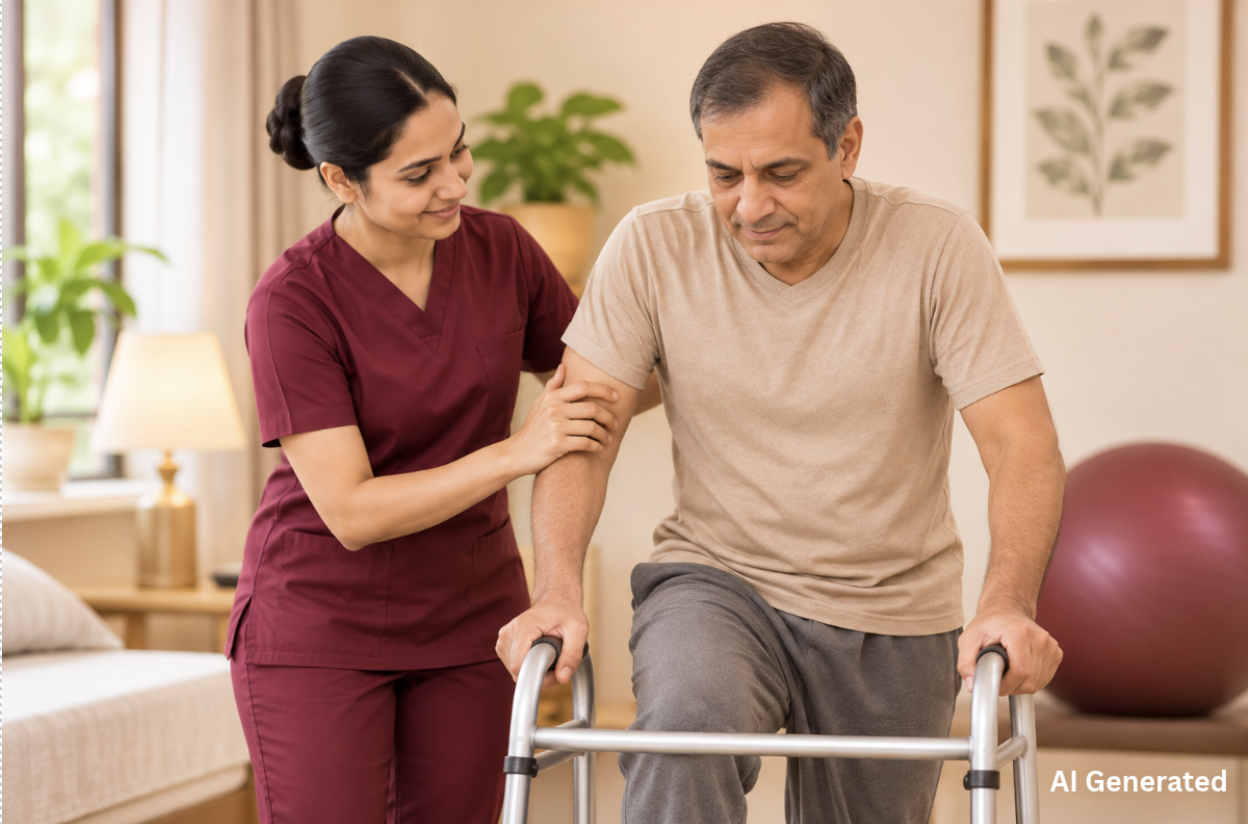
Leaving the hospital after Guillain-Barré syndrome (GBS) is an important milestone, but recovery often continues long after discharge. Some people may still experience muscle weakness, difficulty walking, reduced stamina or problems with everyday activities. Tasks such as standing from a chair, climbing stairs or bathing independently may require additional support.
Guillain-Barré syndrome rehabilitation helps people address these challenges through individualised physiotherapy, functional training and gradual rebuilding of strength. Recovery differs from person to person, depending on the severity of the illness, the nerves affected and the progress made during hospital treatment.
A structured post operative rehabilitation plan can help patients work towards practical goals while allowing enough time for rest and recovery.
Understanding Recovery After Guillain-Barré Syndrome
Guillain-Barré syndrome is a rare neurological condition in which the immune system damages peripheral nerves. It can cause weakness, altered sensation and, in severe cases, difficulties with breathing or swallowing.
Although many people improve with treatment, nerve recovery can take weeks, months or longer. The speed and extent of improvement vary considerably.
After discharge, patients may continue to experience:
-
Weakness in the arms, legs or hands.
-
Difficulty standing, walking or maintaining balance.
-
Muscle fatigue during everyday activities.
-
Tingling, numbness or unusual sensations.
-
Reduced coordination and grip strength.
-
Difficulty performing personal care tasks independently.
Weakness after GBS does not necessarily mean that recovery has stopped. However, new or worsening weakness requires prompt medical assessment because it should not automatically be attributed to the normal recovery process.
Why Is Rehabilitation Important After Hospital Discharge?
Hospital treatment focuses on managing the acute illness and its complications. Once the patient is medically stable, rehabilitation can address the functional limitations that remain.
GBS recovery rehabilitation aims to help patients regain movement, improve their ability to perform daily activities and adapt to temporary or persistent limitations.
Depending on individual needs, rehabilitation may support:
-
Gradual improvement in muscle strength.
-
Better balance and coordination.
-
Safer transfers and walking.
-
Greater independence in personal care.
-
Improved tolerance for everyday activity.
-
Appropriate use of mobility aids and adaptive equipment.
Rehabilitation should be adjusted as the patient's condition changes. Pushing through excessive fatigue or increasing exercise intensity too quickly may worsen symptoms and interfere with recovery.
1. Physiotherapy After Guillain-Barré Syndrome
Physiotherapy after Guillain-Barré syndrome focuses on restoring movement and function while protecting recovering muscles and nerves. The physiotherapist assesses strength, joint movement, balance, walking ability and fatigue before planning treatment.
Gentle strengthening exercises
Patients with muscle weakness may begin with supported or low-intensity movements. Exercises can progress as strength improves and the patient tolerates activity.
The aim is to challenge the muscles appropriately without causing prolonged exhaustion. Exercise intensity should be guided by a qualified professional.
Range-of-motion exercises
Reduced movement during hospitalisation can contribute to stiffness and restricted joint mobility. Carefully selected movements and stretches may help maintain comfortable movement and reduce the risk of contractures.
Balance and coordination training
Weakness and altered sensation can make standing or changing direction difficult. Supported standing, controlled weight shifting and other graded exercises may help patients practise movement more safely.
Walking practice
Patients who have difficulty walking may begin with supported standing or short-distance walking, depending on their abilities. A therapist can assess whether parallel bars, a walker or another mobility aid is appropriate.
Not every patient will follow the same sequence. The programme should reflect current strength, balance, fatigue and medical recommendations.
2. Rebuilding Strength Without Overexertion
One of the main challenges during recovery is finding the right balance between movement and rest. Muscles affected by GBS may be vulnerable to overwork, particularly during early rehabilitation.
Patients and caregivers can support recovery by:
-
Following the prescribed exercise routine.
-
Breaking longer activities into manageable sessions.
-
Taking rest periods between demanding tasks.
-
Avoiding unsupervised increases in exercise intensity.
-
Reporting unusual or prolonged exhaustion to the rehabilitation team.
-
Reviewing the programme regularly as abilities change.
Patients should also avoid comparing their progress with that of others. Recovery depends on several factors, and a slower pace does not necessarily indicate a poor outcome.
3. Regaining Independence in Everyday Activities
Rehabilitation should extend beyond exercise sessions. Many patients need to relearn or adapt the movements involved in routine activities.
Occupational therapy can help patients practise tasks such as dressing, bathing, grooming, eating and using household objects. The therapist may recommend changes that reduce effort while supporting independence.
The objective is to help each person participate in daily life at the level their current abilities allow, while gradually working towards realistic goals.
4. Managing Fatigue and Sensory Changes
Fatigue can remain a significant challenge even when muscle strength begins to improve.
Planning activities around energy levels can help. Essential tasks can be prioritised, demanding activities divided into smaller steps and rest periods scheduled before exhaustion develops.
Some patients also experience tingling, numbness or discomfort due to nerve involvement. These symptoms should be discussed with the medical team, especially if they interfere with sleep, walking or daily functioning.
Adequate nutrition, sufficient sleep and attendance at follow-up appointments can support the broader recovery process.
5. Home Safety and Caregiver Support
Returning home with reduced strength can introduce challenges that were less noticeable in the hospital environment.
Families can help by keeping walking routes clear, improving lighting and removing loose rugs or other trip hazards. Frequently used items should be stored within easy reach.
Caregivers may need guidance on assisting with transfers, walking or personal care. They should follow instructions from rehabilitation professionals rather than lifting or moving patients in ways that could cause injury.
Mobility aids should be selected and adjusted by qualified professionals. Patients who remain at risk of falling may need supervision during specific activities.
6. Rehabilitation After Neurological Illness: The Role of a Care Team
Recovery following GBS may require input from several healthcare professionals. Depending on the patient's condition, the team may include a neurologist, rehabilitation physician, physiotherapist, occupational therapist, nurse and other specialists.
The neurologist monitors the neurological condition, while rehabilitation professionals address strength, movement and functional goals.
Antara Senior Care provides rehabilitation support for older adults who need structured assistance with functional recovery. Depending on individual clinical needs, coordinated care can help patients practise mobility and everyday activities under appropriate professional guidance.
Conclusion
Guillain-Barré syndrome recovery often continues after hospital discharge, making structured rehabilitation an important part of the journey. Individualised physiotherapy, functional training, fatigue management and home safety measures can help patients work towards improved mobility and independence. With appropriate medical supervision, realistic goals and regular reassessment, patients can progress at a pace suited to their recovery.
 Portuguese
 English
 Arabic
 French
 Spanish
 Deutsch
 Turkish
 Dutch
 Italiano
 Russian
 Romaian
 Portuguese (Brazil)
 Greek