


Practical Solutions for Repairing Cracks in Heavy Cast Iron Machinery
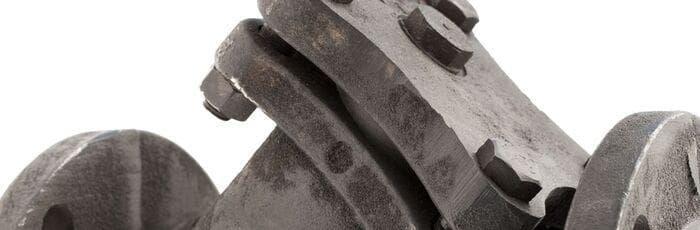
Heavy industrial machinery often relies on cast iron components because of their strength, durability, vibration-damping properties, and ability to withstand demanding operating conditions. However, prolonged stress, temperature fluctuations, corrosion, and mechanical impacts can eventually cause cracks to develop. Professional cast iron crack repair helps address these problems while potentially preserving valuable machinery and reducing replacement expenses. Repairing damaged cast iron requires careful inspection, an understanding of the material's characteristics, and suitable restoration techniques. Choosing an appropriate repair method can help maintain equipment functionality and extend the service life of important industrial components.
Common Causes of Cracks in Heavy Cast Iron Machinery
Thermal Stress and Temperature Fluctuations
Cast iron components frequently experience temperature changes during industrial operations. Rapid heating and cooling can create uneven expansion and contraction, increasing stress within the material. When these stresses exceed the material's ability to withstand them, cracks may develop around weak areas, corners, mounting points, or sections with varying thickness. Repeated thermal cycles can gradually worsen existing damage. Identifying temperature-related cracking early helps maintenance professionals evaluate the affected component and determine suitable restoration procedures before the damage becomes more extensive.
Mechanical Stress and Equipment Vibration
Heavy machinery operates under substantial mechanical loads, vibration, and repeated movement. Components such as machine frames, housings, engine blocks, and mounting structures may experience stress concentration around joints, openings, and supporting areas. Excessive loading, improper alignment, or prolonged vibration can contribute to cracking. Mechanical damage may also occur when equipment is improperly handled during installation or maintenance. Regular inspection helps identify visible cracks and other signs of structural deterioration, allowing businesses to plan suitable repair procedures and reduce the risk of unexpected equipment failures.
Important Inspection Procedures Before Cast Iron Repair
Identifying the Location and Extent of Cracking
Before repairing cast iron, technicians must carefully evaluate the location, length, depth, and severity of the crack. Visual inspection can help identify obvious damage, while suitable nondestructive testing methods may be used to investigate additional defects. Depending on the component and repair requirements, inspection methods may include dye penetrant testing or other appropriate techniques. Understanding the extent of the damage helps determine whether the component can be repaired safely. Thorough inspection also allows technicians to prepare an appropriate restoration plan and avoid unnecessary machining or material removal.
Evaluating Component Condition and Repair Requirements
Not every cracked cast iron component can be restored successfully using the same procedure. Repair decisions depend on the component's structural importance, material characteristics, operating conditions, crack location, and overall condition. Technicians must also consider whether the repaired part will continue to experience vibration, heat, pressure, or mechanical loading. A detailed evaluation helps establish realistic repair expectations and determine whether restoration or replacement is more appropriate. Careful planning is important for maintaining equipment safety, functionality, and long-term reliability.
Practical Methods for Repairing Cast Iron Cracks
Specialized Welding and Controlled Heat Techniques
Certain cast iron components may be repaired through specialized welding procedures, depending on their material composition, condition, and application. Cast iron can be challenging to weld because of its carbon content and susceptibility to thermal stress. Appropriate techniques may involve controlled preheating, suitable filler materials, careful welding sequences, and gradual cooling. These procedures help reduce the risk of additional cracking and distortion. Experienced repair professionals evaluate the component before selecting a suitable welding approach to ensure that the restoration process addresses the damage appropriately.
Mechanical Repair and Metal Stitching
Metal stitching is a specialized mechanical repair method that can be used for certain cracked cast iron components without conventional welding. The procedure generally involves drilling, tapping, and installing specially designed repair pins or locks along the damaged area. This technique can help restore structural continuity while minimizing heat-related stress. It may be particularly useful for large cast iron components that are difficult to remove or transport. Depending on the application, professional cast iron crack repair solutions can help businesses evaluate suitable restoration techniques for damaged machinery.
The Role of Precision Machining After Crack Repair
Restoring Surface Accuracy and Component Alignment
Crack repair may be followed by machining when the damaged area affects important surfaces, openings, or mounting dimensions. Components such as machine housings, engine blocks, and industrial frames may require milling, boring, or facing to restore appropriate geometry. Precision machining helps improve surface accuracy and supports proper assembly. Technicians must carefully evaluate the repaired area before performing additional machining to ensure that the component remains suitable for its intended application. Accurate measurements and appropriate procedures help maintain the functionality of restored machinery.
Supporting Heavy Industrial Equipment Restoration
Heavy cast iron components may be difficult to remove because of their size, weight, and connection to other equipment assemblies. Transporting them to an off-site facility can introduce additional handling requirements and maintenance delays. On-site machining provides an alternative for certain repair applications by bringing specialized equipment directly to the installation location. Professional mobile machining services can help restore suitable industrial components while reducing transportation and dismantling requirements. This flexibility is valuable when equipment removal is impractical or operational interruptions need to be minimized.
Preventing Future Cracks in Cast Iron Machinery
Maintaining Proper Operating Conditions
Preventive maintenance plays an important role in reducing the likelihood of recurring cast iron damage. Industrial operators should monitor equipment temperature, vibration, loading conditions, alignment, and lubrication requirements. Excessive mechanical stress and sudden temperature changes can contribute to material deterioration over time. Maintaining appropriate operating conditions helps reduce unnecessary stress on critical components. Regular inspections also allow maintenance teams to identify early warning signs and address developing problems before they lead to major structural damage or unexpected equipment shutdowns.
Scheduling Regular Inspections and Maintenance
Routine inspection schedules help businesses monitor the condition of heavy machinery and identify cracks before they become more extensive. Maintenance professionals can evaluate mounting points, structural surfaces, housings, and other areas that experience repeated mechanical stress. Documentation of previous repairs and inspection findings can also help identify recurring problems. When restoration becomes necessary, selecting experienced machining professionals is important for obtaining dependable results. Regular maintenance and timely repairs contribute to equipment reliability, operational efficiency, and better long-term maintenance planning.
Conclusion
Repairing cracks in heavy cast iron machinery requires careful inspection, suitable restoration techniques, and an understanding of material behavior. Specialized welding, mechanical metal stitching, and precision machining may provide practical solutions for certain damaged components. Choosing an appropriate method depends on crack severity, component condition, and operating requirements. Regular inspections and preventive maintenance can also help reduce recurring damage and improve equipment reliability. Rutt's Machine Shop Inc. provides machining and component restoration solutions that help industrial operators address cast iron damage and maintain dependable machinery performance.
 Deutsch
 English
 Arabic
 French
 Spanish
 Portuguese
 Turkish
 Dutch
 Italiano
 Russian
 Romaian
 Portuguese (Brazil)
 Greek