


Maximizing Performance with High Purity Distillation Equipment
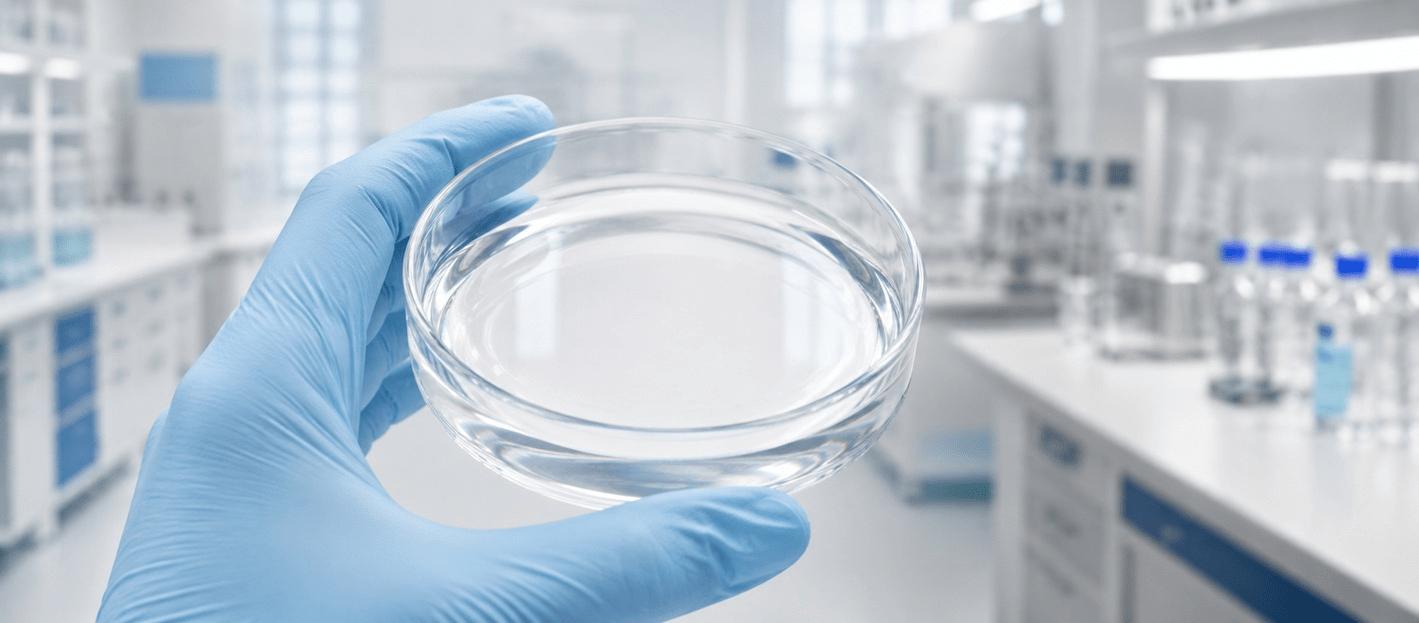
High purity production has become an essential requirement across industries that demand exceptional product quality, reliable consistency, and strict process control. Manufacturers continue investing in advanced purification technologies to meet evolving standards while maintaining operational efficiency. Within this landscape, high purity distillation systems play a vital role in removing contaminants, improving separation accuracy, and producing refined materials suitable for demanding industrial applications. Their contribution extends beyond product quality by supporting better productivity, reduced waste generation, and greater confidence in every stage of manufacturing.
Understanding High Purity Distillation Equipment
The Purpose of High Purity Distillation
High purity distillation equipment is specifically designed to separate compounds with exceptional precision while preserving the integrity of valuable materials. These systems rely on carefully controlled temperatures, pressure conditions, and evaporation techniques to isolate desired components from impurities. Industries requiring pharmaceutical ingredients, specialty chemicals, food ingredients, botanical extracts, and advanced research materials depend on these technologies because even minimal contamination can affect product performance, regulatory compliance, and customer satisfaction throughout manufacturing and final distribution processes.
The Importance of Precise Separation
The effectiveness of distillation depends on the ability to separate compounds according to differences in boiling points under carefully monitored operating conditions. High purity equipment minimizes contamination while maintaining consistent processing environments that protect delicate substances from unnecessary thermal exposure. Precision separation allows manufacturers to achieve reliable product quality while reducing material losses. This careful balance supports production goals by maximizing usable output without compromising the characteristics required for specialized industrial and scientific applications.
Key Features That Improve Performance
Accurate Temperature Control
Temperature management represents one of the most important aspects of high purity distillation equipment. Modern systems provide accurate heating and cooling capabilities that maintain stable operating conditions throughout the purification process. Consistent temperature regulation reduces the possibility of unwanted reactions while protecting heat sensitive compounds from degradation. Improved thermal control also supports predictable production cycles, allowing manufacturers to maintain repeatable quality standards across multiple processing batches without introducing unnecessary process variability.
Efficient Vacuum Operation
Vacuum operation enhances purification by lowering boiling temperatures, making it possible to process sensitive materials more gently. Lower operating temperatures reduce thermal stress while preserving valuable chemical structures that may otherwise become damaged during conventional distillation. Efficient vacuum performance contributes to cleaner separation, improved recovery rates, and better product consistency. Manufacturers benefit from increased flexibility because a wider variety of materials can be processed under carefully controlled conditions that prioritize both quality and operational efficiency.
Advanced Process Monitoring
Modern purification equipment incorporates monitoring technologies that provide continuous visibility into important process conditions. Operators can observe temperature, pressure, flow rates, and other critical parameters while making adjustments whenever necessary. Better monitoring reduces the likelihood of unexpected process deviations and supports more consistent product quality. Real time information also assists maintenance teams by identifying performance trends before they develop into larger operational challenges, contributing to increased equipment reliability and production stability.
Benefits of High Purity Distillation Systems
Superior Product Quality
One of the greatest advantages of advanced purification equipment is the ability to consistently produce materials with exceptional purity levels. Cleaner products meet demanding quality requirements while reducing the presence of unwanted compounds that could interfere with downstream applications. Reliable purification supports manufacturers seeking to establish strong reputations for quality, consistency, and performance. Higher purity products also create greater confidence among customers who require dependable materials for highly specialized industrial and commercial uses.
Increased Production Efficiency
Well designed distillation equipment improves productivity by optimizing every stage of the purification process. Stable operating conditions reduce interruptions while efficient heat transfer enhances overall system performance. Faster processing times and improved recovery rates allow manufacturers to maximize output without sacrificing quality standards. Efficient production also supports better utilization of raw materials, reducing unnecessary waste and improving the economic performance of manufacturing operations over extended production schedules.
Better Resource Utilization
Resource efficiency has become an important objective across manufacturing industries seeking sustainable production practices. High purity distillation equipment supports this objective by recovering valuable materials that might otherwise be discarded during processing. Improved separation techniques reduce waste generation while maximizing the usable portion of each production batch. Better utilization of raw materials contributes to lower operating costs, enhanced environmental responsibility, and stronger long term manufacturing performance within competitive industrial markets.
Industries That Depend on High Purity Distillation
Pharmaceutical Manufacturing
Pharmaceutical production requires exceptionally clean materials because impurities may influence product safety, effectiveness, and regulatory compliance. High purity distillation equipment assists manufacturers by producing refined ingredients suitable for demanding medical applications. Careful purification helps maintain consistent product quality while supporting strict manufacturing standards. Reliable separation technologies also contribute to safer production environments by minimizing contamination risks during the preparation of pharmaceutical compounds and specialized research materials.
Chemical Processing
Chemical manufacturers frequently process complex mixtures that require accurate separation before further formulation or packaging. High purity distillation equipment enables the production of refined chemicals with dependable quality characteristics suitable for industrial applications. Better purification improves product consistency while supporting more efficient downstream manufacturing activities. Consistent separation performance allows producers to satisfy customer expectations while maintaining operational flexibility across a broad range of chemical production requirements.
Food and Beverage Production
Food ingredient manufacturers often require purification technologies that preserve flavor, aroma, and nutritional characteristics while removing undesirable substances. High purity distillation equipment provides gentle processing conditions that protect sensitive compounds throughout purification. Cleaner ingredients contribute to improved product quality while supporting food safety objectives and regulatory compliance. Reliable purification also helps manufacturers maintain consistency across production batches, strengthening consumer confidence in finished food and beverage products.
Botanical and Natural Extract Processing
Botanical extracts require careful handling because many naturally occurring compounds remain sensitive to excessive heat and prolonged processing conditions. High purity distillation equipment allows manufacturers to preserve valuable components while achieving effective purification. Gentle separation techniques improve extract quality while maintaining desirable chemical properties that contribute to product performance. Consistent purification also supports research, formulation, and commercial production activities involving a wide variety of plant based materials.
Factors to Consider When Selecting Equipment
Production Capacity Requirements
Selecting appropriate distillation equipment begins with understanding current and future production goals. Manufacturers should evaluate expected processing volumes while considering potential business growth and changing customer demand. Equipment with suitable capacity provides efficient operation without unnecessary energy consumption or underutilized resources. Careful planning ensures that purification systems continue meeting operational requirements as manufacturing activities expand over time while supporting long term productivity objectives.
Material Compatibility
Different products require equipment constructed from materials capable of maintaining purity throughout processing. Proper material selection reduces contamination risks while supporting long service life under demanding operating conditions. Manufacturers should evaluate compatibility between equipment surfaces and processed materials to preserve product integrity during purification. Selecting suitable construction materials contributes to consistent performance while reducing maintenance requirements and improving overall operational reliability.
Maintenance Accessibility
Routine maintenance plays an essential role in sustaining long term equipment performance and production reliability. Systems designed with accessible components simplify inspection, cleaning, and replacement procedures without causing excessive operational disruption. Easier maintenance supports consistent purification quality while reducing equipment downtime and labor requirements. Manufacturers benefit from improved operational efficiency because preventive maintenance activities become more practical and easier to integrate into regular production schedules.
Best Practices for Maximizing Performance
Regular Equipment Inspection
Consistent inspection helps identify developing issues before they affect purification quality or production efficiency. Operators should examine seals, heating components, vacuum systems, sensors, and other essential equipment parts according to established maintenance schedules. Early detection of wear or performance changes allows corrective actions before significant problems occur. Routine inspection strengthens equipment reliability while supporting uninterrupted manufacturing operations and maintaining consistently high purification standards.
Proper Operator Training
Well trained personnel contribute significantly to successful distillation performance by understanding equipment operation, monitoring procedures, and maintenance requirements. Comprehensive training improves decision making while reducing the possibility of operating errors that may influence product quality. Skilled operators also recognize early signs of performance changes and respond appropriately before production quality becomes affected. Continuous education supports long term operational excellence and strengthens overall manufacturing reliability.
Process Optimization
Manufacturers achieve better performance by continuously evaluating operating conditions and identifying opportunities for improvement. Process optimization may include adjusting temperature profiles, vacuum levels, processing times, or equipment settings according to product characteristics. Careful refinement enhances separation efficiency while improving productivity and resource utilization. Ongoing optimization ensures that purification equipment continues delivering reliable results even as production requirements and material characteristics evolve over time.
Future Trends in High Purity Distillation
Increased Automation
Automation continues transforming purification technologies by improving consistency, reducing manual intervention, and enhancing operational accuracy. Automated control systems respond rapidly to changing process conditions while maintaining stable operating environments throughout production. Greater automation also supports comprehensive data collection that assists quality assurance, maintenance planning, and continuous process improvement. Manufacturers adopting advanced automation technologies strengthen productivity while maintaining consistently high purification standards.
Greater Focus on Sustainability
Environmental responsibility has become increasingly important across industrial manufacturing sectors. Future high purity distillation equipment emphasizes improved energy efficiency, reduced emissions, and better recovery of valuable materials throughout production. Sustainable purification technologies help manufacturers minimize environmental impact while supporting responsible resource management practices. These improvements contribute to long term operational success by balancing productivity objectives with growing environmental expectations and regulatory requirements.
Enhanced Digital Integration
Digital technologies continue improving manufacturing visibility by connecting purification equipment with broader production management systems. Integrated data analysis supports predictive maintenance, process optimization, and quality assurance through continuous performance evaluation. Enhanced connectivity enables manufacturers to make informed operational decisions using accurate production information. Digital integration also strengthens manufacturing flexibility by providing deeper insight into equipment performance and overall production efficiency.
Conclusion
High purity distillation equipment remains an essential investment for manufacturers seeking exceptional product quality, reliable operational performance, and long term production efficiency. Careful equipment selection, consistent maintenance, operator training, and ongoing process optimization contribute significantly to successful purification outcomes across diverse industries. As automation, sustainability, and digital technologies continue advancing, purification systems will become even more capable of meeting demanding manufacturing expectations. Organizations seeking dependable expertise and advanced purification solutions can confidently rely on Chemtech Services, Inc to support their evolving distillation requirements with professional knowledge and innovative capabilities.
 Portuguese
 English
 Arabic
 French
 Spanish
 Deutsch
 Turkish
 Dutch
Dutch
 Italiano
 Russian
 Romaian
 Portuguese (Brazil)
 Greek
Greek