


Why Do Post Office Property Sales Need Environmental Checks?
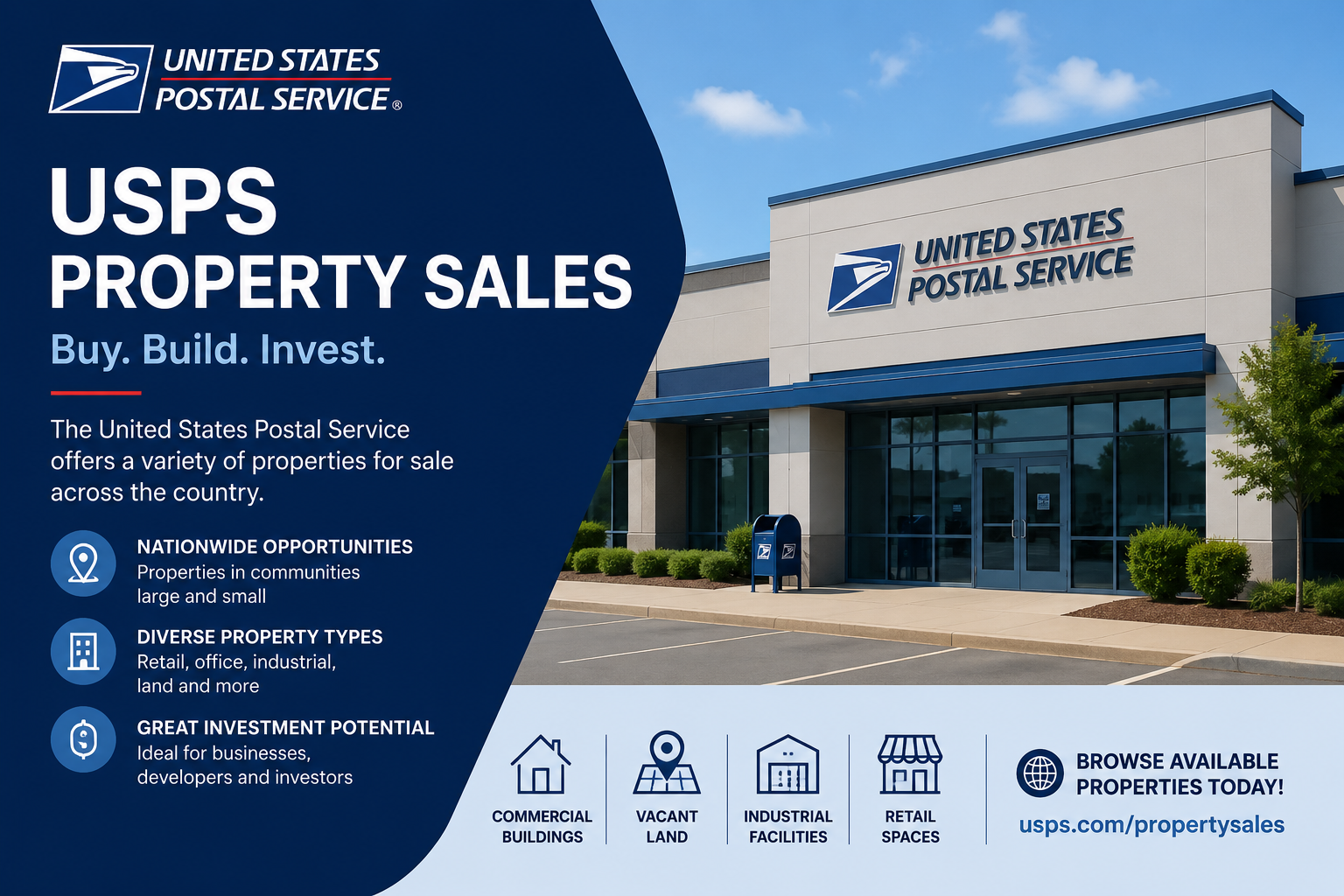
When a post office building is sold, the transaction is about more than square footage, location, and price. Many post office properties have long operating histories, which means they may have been used for mail handling, vehicle storage, heating fuel, maintenance work, or other activities that can affect soil, groundwater, or indoor air quality. That is why environmental checks are a standard and important part of evaluating these sites. For buyers reviewing united states post offices for sale, these checks help reveal risks that are not always visible during a normal inspection.
Environmental due diligence protects both buyers and communities. It can uncover contamination, identify regulatory obligations, and help determine whether cleanup costs or restrictions could affect future use of the property. In many cases, the goal is not to discourage a purchase but to make sure the buyer understands the property fully before closing. That knowledge is especially valuable when the building has a long service history and may have been modified over time.
Understanding why these checks matter can make a major difference in the success of a property sale. A well-timed environmental review can reduce liability, support financing, and prevent costly surprises later.
Key Points
- Post office properties often have long histories that may include activities with environmental risk.
- Environmental checks help identify contamination in soil, water, air, or building materials.
- These checks support compliance with federal, state, and local regulations.
- They can protect buyers from unexpected cleanup costs and legal liability.
- Environmental findings may affect property value, financing, insurance, and redevelopment plans.
Why Post Office Properties Can Carry Environmental Risk
Post office buildings are not typically thought of as industrial sites, but many have had uses that can create environmental concerns. A facility may have included fleet parking, fuel storage, generators, maintenance shops, cleaning chemical storage, or older heating systems. Over time, even routine operations can leave behind traces of petroleum products, solvents, asbestos, lead-based paint, mold, or other hazards.
Older buildings are especially important to evaluate. Many post offices were built decades ago, when environmental standards were less strict and materials now considered hazardous were commonly used. If a property has been altered or maintained over many years, there may also be undocumented repairs, buried tanks, or prior releases that were never fully addressed.
Common Issues Found During Environmental Review
- Underground storage tanks: Old fuel tanks can leak into soil and groundwater.
- Petroleum contamination: Vehicle areas and maintenance zones may contain oil or gasoline residues.
- Asbestos: Older insulation, flooring, and pipe wrap may contain asbestos materials.
- Lead paint: Paint used in older buildings may pose hazards during renovation or demolition.
- Mold and moisture problems: Water intrusion can damage structures and affect indoor air quality.
- Historic chemical use: Cleaning or repair products may have left contamination in work areas.
What Environmental Checks Usually Include
Environmental due diligence can range from a basic records review to detailed sampling and laboratory testing. The level of review depends on the property’s age, history, and intended use. For many commercial real estate transactions, a Phase I Environmental Site Assessment is the starting point.
Phase I Environmental Site Assessment
A Phase I assessment typically includes a site inspection, review of historical records, interviews with people familiar with the property, and a search of environmental databases. The purpose is to identify recognized environmental conditions or signs that contamination may be present. This review usually does not involve drilling or sampling, but it can reveal whether more investigation is needed.
Phase II Testing
If the Phase I assessment raises concerns, a Phase II investigation may follow. This stage can include soil sampling, groundwater testing, vapor testing, or material sampling from the building itself. Phase II work helps determine whether contamination is real, how extensive it may be, and what cleanup or management steps might be required.
Additional Reviews
Some properties need specialized inspections for asbestos, lead paint, mold, radon, or wetlands issues. Depending on the site, there may also be a need to check stormwater systems, underground utilities, or prior demolition records. Each of these can influence future development plans and operating costs.
Why Buyers Should Care About Environmental Findings
Environmental problems can affect more than health and safety. They can also influence the economics of the deal. A property that appears affordable at first may become expensive if contamination requires cleanup, reporting, or long-term monitoring. In some cases, a buyer may be responsible for addressing conditions discovered after closing, even if the issue existed before the sale.
Environmental checks also matter because they can affect what the buyer can do with the property. A building intended for office space, retail, housing, or mixed-use redevelopment may need a clean environmental record before permits, loans, or insurance are approved. If contamination is found, restrictions may limit excavation, renovation, or occupancy until the issue is resolved.
For lenders, environmental reviews are a standard risk-management tool. Many financing institutions want assurance that the collateral is not burdened by unresolved environmental liabilities. Without that assurance, a loan may be delayed, reduced, or denied.
How Environmental Checks Protect Communities
The value of environmental checks extends beyond the buyer and seller. Post office properties are often located in the center of neighborhoods, near schools, businesses, housing, and public gathering spaces. If contamination is present and not identified early, it can affect nearby residents, workers, and future tenants.
When a sale includes proper environmental review, the new owner can plan responsibly. That may mean cleaning up a site before redevelopment, controlling dust during construction, or preserving safe access to nearby properties. In this way, environmental checks support healthier neighborhoods and better long-term land use.
Legal and Financial Reasons These Checks Are Important
Environmental law in the United States can be complex, and liability often depends on what the buyer knew and when they knew it. Conducting environmental checks before closing helps show that the buyer acted responsibly. This can be important if contamination is later discovered and questions arise about due diligence.
There are also financial reasons to investigate early. Cleanup costs can be substantial, and even modest issues can add unexpected expenses. A buyer who learns about a problem before closing may be able to negotiate repairs, adjust the purchase price, or walk away if the risk is too high. Without that information, the same problem could become a costly burden after the transaction is complete.
Practical Benefits for Buyers
- Better understanding of total acquisition cost
- More accurate renovation and redevelopment planning
- Improved chance of securing financing
- Reduced risk of future disputes or liability
- Ability to negotiate based on documented conditions
What Sellers and Buyers Should Do Before Closing
Both sides benefit from a clear environmental process. Sellers should gather available records, maintenance history, prior inspection reports, and any cleanup documents. Sharing this information early can reduce delays and build trust. Buyers should hire qualified environmental professionals who understand commercial properties and can interpret findings in the context of local and federal rules.
It is also wise to review title, zoning, and prior use history at the same time as the environmental work. These issues often connect. For example, a property that seems suitable for redevelopment may actually have site restrictions because of prior use, contamination controls, or easements tied to utility or drainage systems.
Conclusion
Environmental checks are a necessary part of selling post office properties because these sites often have long histories, varied uses, and the potential for hidden environmental concerns. A careful review helps identify contamination, protect public health, support legal compliance, and give buyers a realistic picture of what they are purchasing. It also helps ensure that the property can be used safely and effectively in the future.
For anyone evaluating a former post office building, environmental due diligence should be treated as a core part of the transaction, not an optional extra. The cost of checking early is usually far lower than the cost of dealing with a problem after closing.
FAQ
What is an environmental check for a post office property?
An environmental check is a review of the property’s history and current condition to identify possible contamination or environmental hazards. It may include records research, site visits, and testing if needed.
Why are older post office buildings more likely to need review?
Older buildings may contain materials or have a history of use that predates modern environmental standards. That can increase the chance of issues such as asbestos, lead paint, or underground tank leaks.
Does every post office property need a Phase I assessment?
Not every property is legally required to have one, but Phase I assessments are widely used in commercial real estate because they help identify risk before a sale closes.
What happens if contamination is found?
If contamination is discovered, the buyer and seller may need to negotiate cleanup, price adjustments, or other protections. In some cases, additional testing or remediation will be required before redevelopment.
Can environmental issues affect financing?
Yes. Lenders often want to know that a property does not have unresolved environmental liabilities. Problems discovered during review can delay financing or lead to stricter loan terms.
Are environmental checks only about pollution?
No. They can also identify building hazards such as asbestos, lead paint, mold, and moisture damage. These conditions may not be pollution in the traditional sense, but they still matter for safety and property use.
Who should review the findings?
A qualified environmental consultant, along with the buyer’s legal and financial advisors, should review the findings to determine the practical and legal impact on the transaction.
 Romaian
 English
 Arabic
 French
 Spanish
 Portuguese
 Deutsch
 Turkish
 Dutch
Dutch
 Italiano
 Russian
 Portuguese (Brazil)
 Greek
Greek