


The Hidden Costs of Living With a Missing Tooth for Too Long
Most of us think of a missing tooth as something that mainly affects the way we look. If it isn't at the front of the mouth, it's easy to believe it can wait. We often tell ourselves we'll deal with it when life is a little less busy.
The truth is, leaving a gap for too long can affect far more than your smile. From the way you chew to the health of your jaw, a missing tooth can quietly change things over time. When you understand what can happen then that helps you make an informed decision about your oral health and explore whether dental implants in Northwood could be the right solution for you.
It's About More Than Appearance
A missing tooth can make people feel self-conscious, especially when smiling or speaking. While confidence is important, there are practical reasons to replace a missing tooth too.
Every tooth has a job to do. Together they help us bite, chew and keep the rest of the mouth balanced. When one is missing the remaining teeth often have to work harder to make up for the gap. Over time that extra strain can have an impact on your overall oral health.
Your Teeth Can Begin to Shift
Teeth naturally support one another. When one disappears the neighbouring teeth may gradually move into the space.
This movement doesn't happen overnight, but it can lead to;
-
Changes in your bite
-
Crowded or uneven teeth
-
Areas that become harder to clean
-
Increased plaque build-up in difficult-to-reach places
If the gap remains untreated, these changes may eventually require more complex dental treatment than simply replacing the missing tooth. That's one reason many people choose to discuss dental implants before the surrounding teeth begin to move.
Chewing Can Become Less Comfortable
We often adapt without even noticing. If one side of the mouth feels uncomfortable, we naturally begin chewing on the other side.
Although this may seem harmless but still relying on one side for months or years can place extra pressure on certain teeth and jaw muscles. Some people also begin to avoid certain foods because they're more difficult to chew.
Being able to enjoy a varied diet comfortably is an important part of everyday life. Replacing a missing tooth restores balanced chewing and improves comfort during meals. For many patients dental implants provide a secure option that feels stable when eating.
Bone Changes Can Happen Over Time
One of the lesser-known effects of tooth loss involves the jawbone itself.
The roots of our natural teeth stimulate the jawbone whenever we bite or chew. Once a tooth is lost, that stimulation is reduced in the affected area. Over time, the bone may gradually shrink.
This process varies from person to person, but it can make replacing the tooth more complicated if treatment is delayed for many years.
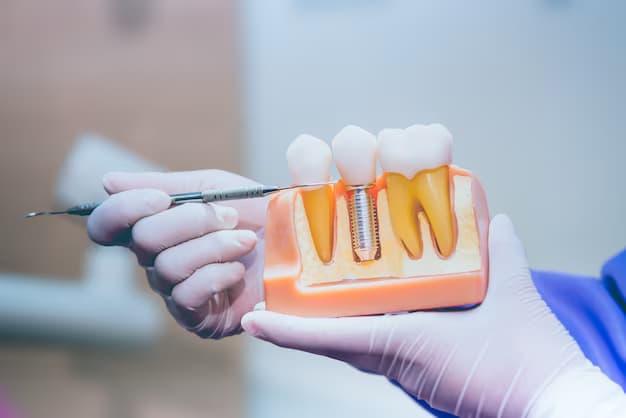
Because dental implants are placed into the jawbone and can help provide the stimulation that the bone would normally receive from a natural tooth. That's one reason they're often recommended as a long-term tooth replacement option when suitable.
Small Changes Can Affect Everyday Confidence
Many people don't realise how much a missing tooth affects their daily routine until they begin avoiding certain situations.
Perhaps you smile less in photographs.
Maybe you cover your mouth when laughing.
Or you simply become more aware of the gap every time you speak.
These changes often occur with time but they can affect confidence in social settings, at work and during family occasions. Replacing a missing tooth isn't only about restoring function. For many people it's also about feeling comfortable being themselves again.
Waiting Doesn't Always Make Things Easier
It's understandable to postpone treatment. We get busy in life and a missing tooth doesn't feel urgent when there is no pain caused.
However, waiting can sometimes mean:
-
More movement of surrounding teeth
-
Continued bone loss
-
Greater changes to your bite
-
More treatment planning in the future
Seeking advice early doesn't necessarily mean treatment needs to happen immediately. It means we are getting the opportunity to understand options before small changes become bigger ones.
If you're considering dental implants in Northwood, then arranging a consultation can help you learn what's suitable for your individual circumstances.
Choosing the Right Replacement Matters
There isn't a single solution that's right for everyone. Your oral health, the area of the missing tooth and your long-term goals all play a big role in deciding the best approach.
For many adults, dental implants are considered because they are designed to replace both the visible tooth and its root. They can offer an appropriate long-lasting solution while also helping to maintain normal function.
The best starting point is always a thorough assessment with a dental professional who can explain your options clearly and answer any questions you may have.
Looking Ahead
Living with a missing tooth may feel manageable today, but the effects often extend beyond the gap itself. Changes to chewing, tooth alignment, jawbone health and confidence can all develop gradually over time.
If you've been thinking about replacing a missing tooth, learning more about dental implants in Northwood could be a positive first step. By understanding your options early, we can make informed decisions that support both our oral health and our confidence for years to come.
 French
 English
 Arabic
 Spanish
 Portuguese
 Deutsch
 Turkish
 Dutch
 Italiano
 Russian
 Romaian
 Portuguese (Brazil)
 Greek