

Digital Smile Design Explained: How the Process Works Step by Step
Smile design is no longer a matter of art and aesthetics and is now a technology-driven process. With Digital Smile Design (DSD), patients can see the results they can expect from treatment before irreversible steps are taken, using it to eliminate some of the uncertainty and enhance patient-dentist communication.
This article explains the digital smile design process in detail, step-by-step, so patients know what to expect when they come for their consultation and planning.
What Digital Smile Design Actually Is
Digital Smile Design (DSD) is a systemised smile design method that integrates photography, videography, facial analysis, and a 3D smile design program to create a smile that's in harmony with the face rather than the teeth.
Whereas previous approaches were largely based on the dentist's personal preferences, DSD delivers predictable, repeatable design concepts.
Step 1: Facial and Smile Photography
The process begins with a structured photography and video session, including:
-
Frontal facial images at rest and while smiling
-
Profile images
-
Close-up intraoral photographs
-
Video of natural speech and smiling movement
This is a crucial step for getting a natural smile, as it shows the smile's dynamics beyond the photo.
Step 2: Facial Reference Lines and Proportions
Using the captured images, the dentist maps key reference lines:
-
The midline of the face
-
The horizontal plane relative to the eyes
-
Lip line and how much tooth structure shows when smiling
-
Facial symmetry and asymmetry patterns
These reference lines will guide the decision on the placement of new tooth shapes and proportions, all while avoiding the unrealistic appearance of an even-looking smile.
Step 3: Digital Smile Mockup
Software is used to overlay a proposed smile design onto the patient's actual photos. This mockup shows:
-
Proposed tooth shape and size changes
-
Adjusted proportions between upper front teeth
-
Preview of gum line changes when contouring is planned
-
Overall color and shade concept
One of the most useful things about this digital mockup is that patients can view the treatment and make changes to it before the actual treatment process begins.
Step 4: 3D Intraoral Scanning
A digital scanner captures a precise 3D model of the patient's current teeth and bite. This replaces traditional physical impressions in most modern clinics and allows:
-
Higher precision than manual impressions
-
Immediate digital file sharing with the dental lab
-
A foundation for designing veneers, crowns, or aligners with exact measurements
Step 5: Physical Mockup (Trial Smile)
Many dental clinics in Turkey create a temporary, removable, or bonded mockup that the patient can physically try in their mouth. This allows patients to:
-
See and feel the proposed tooth shape and length in real life
-
Test how it affects speech and lip position
-
Request modifications before permanent materials are prepared
This trial phase significantly reduces the chance of dissatisfaction with the final result, since adjustments happen before permanent preparation.
Step 6: Treatment Execution
Once the design is approved, the treatment plan may involve:
-
Preparing teeth for veneers or crowns, when needed
-
Gum contouring, when planned as part of the design
-
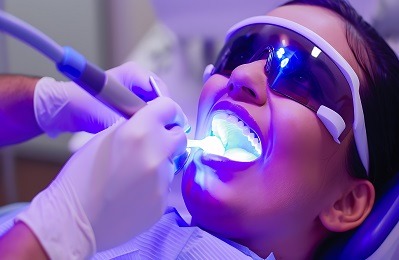
Whitening to establish a baseline shade
-
Orthodontic alignment, when the plan involves tooth movement rather than restorations alone
The specific combination depends on what the smile design analysis identified as necessary to achieve the planned outcome.
Step 7: Final Fitting and Adjustment
The final restorations are fitted and checked against the original digital design for:
-
Accurate proportions matching the approved mockup
-
Comfortable bite alignment
-
Natural appearance in both rest and smiling positions
Minor adjustments are common at this stage and are a normal part of achieving a precise fit.
Why This Process Reduces Uncertainty
Traditional smile makeovers without digital planning relied heavily on verbal descriptions and the dentist's individual aesthetic judgment. Digital Smile Design instead gives patients:
-
A visual preview before committing to treatment
-
Measurable facial and dental reference points
-
An opportunity to request changes before permanent materials are used
-
Clearer communication between patient, dentist, and dental lab
The Science Behind Facial Proportion Analysis
Digital Smile Design draws on established principles of facial and dental aesthetics rather than arbitrary preference. Some of the core concepts include:
-
The golden proportion: A mathematical ratio sometimes used as a starting reference for tooth width relationships, though modern practice treats it as a guide rather than a strict rule
-
Dental midline alignment: Whether the center point between the front two teeth aligns with the facial midline
-
Smile arc: How the curve of the upper front teeth relates to the curve of the lower lip when smiling
-
Buccal corridor: The visible space between the back teeth and the corners of the mouth during a smile
These reference points enable the dentist and lab technician to use measurable criteria instead of aesthetics for the most ideal results, increasing consistency between the digital plan and the final result.
How Digital Smile Design Supports Multi-Disciplinary Planning
For more complex cases, Digital Smile Design often serves as a communication bridge between different specialists involved in treatment, such as:
-
An orthodontist, when tooth movement is part of the plan
-
A periodontist, when gum contouring or tissue health needs addressing first
-
A prosthodontist, who designs the final restorations
-
The dental laboratory technician, who fabricates the physical restorations
The digital design file can be shared with all parties involved, so that each specialist can plan their part, keeping the same common goal in mind, avoiding mismatch in more complex and multi-step instances.
Common Questions Patients Ask During the Design Phase
Patients frequently want to understand:
-
How much their natural lip movement and speech will be affected by proposed changes
-
Whether the design can be adjusted after seeing the physical trial smile
-
How the digital plan accounts for facial asymmetry, which is present to some degree in nearly everyone
-
Whether teeth whitening will be performed before or after shade matching for new restorations
Addressing these questions directly during the design phase, rather than after treatment has started, guides prevent misunderstandings later in the process.
Patient Checklist Before Starting Smile Design
-
Facial and smile photography/video session completed
-
Digital mockup reviewed and adjustments requested when needed
-
3D intraoral scan completed instead of relying on manual impressions alone
-
Physical trial smile tested before permanent preparation, where offered
-
Treatment sequence (whitening, contouring, veneers, orthodontics) clearly explained
-
Final fitting compared directly against the approved digital design
Expert Tips
-
Ask to see your own digital mockup, beyond example cases from other patients, since facial proportions vary significantly between individuals.
-
When a physical trial smile is offered, take time to speak, smile, and eat with it before approving the final design.
-
Bring reference photos of smiles you like, and be open to your dentist adjusting them to suit your specific facial proportions.
Common Mishaps Patients Make
-
Approving a design based only on 2D photos without considering how it will look while speaking or laughing
-
Skipping the physical trial smile step when it is available
-
Choosing a smile design based on trends rather than facial compatibility
-
Not asking which reference lines and proportions were used in the design
-
Assuming smile design always requires veneers, when whitening or orthodontics alone may achieve the goal
Key Takeaways
-
Digital Smile Design uses photography, video, and software modeling to plan a smile based on facial proportions, not teeth alone.
-
Patients can preview and request changes to the design before any irreversible treatment begins.
-
A physical trial smile, when offered, delivers a valuable real-world test of the proposed design.
-
The final treatment plan may combine whitening, contouring, veneers, or orthodontics depending on individual needs.
-
This structured approach reduces the uncertainty historically associated with cosmetic smile transformations.
Conclusion
With digital planning tools, patients can now ‘try before they buy’ and preview smile designs before undergoing treatment, making this process much more predictable.
This process is complementary with other cosmetic procedures, including dental veneers or cosmetic dentistry with the intention of creating the final result to be planned in harmony with the face rather than the teeth themselves.
Patients who are interested in a full transformation may also want to understand how a full mouth rehabilitation is integrated with smile design planning for more complex cases.
Frequently Asked Questions
1. How long does the Digital Smile Design process take?
The design and mockup phase typically takes one to two consultation visits before treatment execution begins.
2. Can I request changes to my digital smile design?
Yes, the digital mockup stage is specifically intended to allow adjustments before any permanent treatment starts.
3. Does Digital Smile Design always involve veneers?
No, depending on the analysis, the plan may involve whitening, orthodontics, gum contouring, or a combination of treatments.
4. Is a physical trial smile the same as the final result?
It closely represents the planned shape and length, though final materials and shade may differ slightly from the temporary trial version.
5. Is Digital Smile Design suitable for minor cosmetic changes only?
No, it can be used for anything from a single tooth adjustment to a full smile makeover, depending on the patient's needs.
 Russian
 English
 Arabic
 French
 Spanish
 Portuguese
 Deutsch
 Turkish
 Dutch
Dutch
 Italiano
 Romaian
 Portuguese (Brazil)
 Greek
Greek