


Oral Cancer Screening: A Guide to Prevention and Awareness
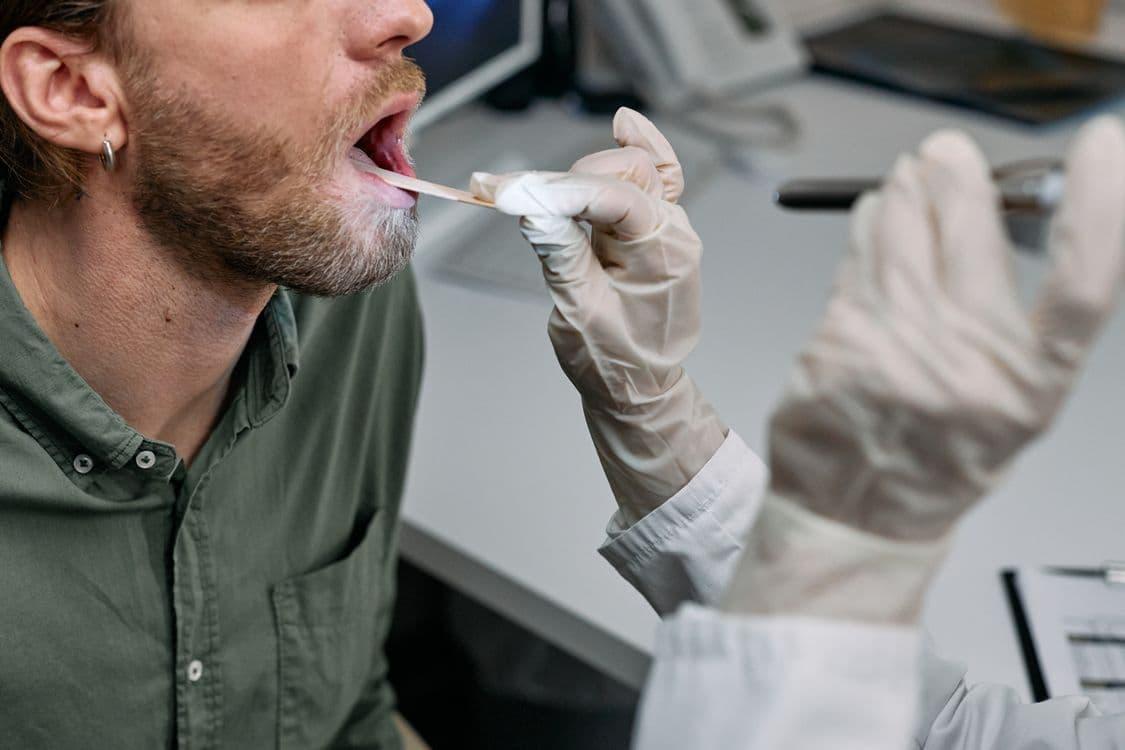
Oral cancer can affect different areas of the mouth, including the lips, tongue, cheeks, gums, and throat. Although some cases develop gradually, others may progress without producing obvious symptoms during the early stages. Regular Oral Cancer Screening can help identify unusual changes before they become more difficult to manage. Early awareness gives individuals an opportunity to seek professional evaluation promptly. Understanding potential warning signs, risk factors, and preventive measures can encourage better oral health habits while supporting timely diagnosis and appropriate treatment when necessary.
Why Awareness Matters
Awareness plays an important role in recognizing changes that may otherwise be ignored. Many people may assume that a persistent sore, unusual patch, or minor irritation is temporary. However, changes that remain present for an extended period deserve professional attention. Increased knowledge about oral cancer can help individuals understand when a dental examination may be appropriate. Regular dental visits also provide opportunities for professionals to observe areas of the mouth that may not be easily noticed during everyday brushing, allowing concerning changes to receive attention sooner.
What Happens During an Oral Cancer Screening
An oral cancer screening is generally a straightforward examination performed as part of preventive dental care. During the appointment, a dental professional carefully examines the mouth, gums, tongue, inner cheeks, roof of the mouth, and other surrounding tissues. The professional may also inspect the neck and jaw area for unusual swelling or tenderness. Depending on the findings, additional evaluation may be recommended. The screening itself is typically brief and does not require complicated preparation, making it a practical part of routine oral health maintenance for many adults.
Areas Commonly Examined
During an examination, the dental professional may look for changes in color, texture, shape, or tissue appearance. The lips and inner cheeks may be inspected for unusual patches, sores, or thickened areas. The tongue may be examined both visually and through gentle movement to identify abnormalities. The gums, palate, and floor of the mouth can also receive careful attention. The neck may be checked for swelling or enlarged areas. A thorough examination helps create a broader picture of oral health and may identify changes requiring further investigation.
Common Warning Signs of Oral Cancer
Several changes in the mouth can potentially require professional evaluation, particularly when they persist. Warning signs may include sores that do not heal, unexplained bleeding, persistent mouth pain, numbness, or tenderness. White or red patches can also warrant attention, especially when their appearance does not improve. Changes involving chewing, swallowing, speaking, or moving the tongue may be important as well. These symptoms do not automatically indicate cancer because many other conditions can cause similar problems. However, persistent or unexplained changes should not be ignored or self diagnosed.
Changes That Deserve Attention
A lump, thickened area, or unusual growth inside the mouth can be another reason to seek professional advice. Some individuals may experience persistent hoarseness, a sensation that something is caught in the throat, or difficulty moving the jaw. Unexplained changes in how dentures or other oral appliances fit may also deserve evaluation. The duration and progression of symptoms can provide useful information during an examination. If a concerning change remains for more than a short period, professional assessment can help determine whether additional testing is necessary.
Risk Factors Associated With Oral Cancer
Several factors may increase the likelihood of developing oral cancer. Tobacco use remains an important risk factor, whether tobacco is smoked or used in other forms. Frequent alcohol consumption can also contribute to increased risk, particularly when combined with tobacco exposure. Certain strains of human papillomavirus can be associated with cancers affecting parts of the mouth and throat. Age and previous medical history may also influence risk. Understanding these factors can encourage individuals to make informed choices and discuss personal concerns with an appropriate healthcare professional.
Lifestyle Factors and Prevention
Reducing exposure to known risk factors can support oral health and may lower the likelihood of developing certain diseases. Avoiding tobacco products is an important preventive step, while limiting alcohol consumption can provide additional benefits. Maintaining a balanced diet that includes a variety of fruits and vegetables can support overall health. Protecting the lips from prolonged ultraviolet exposure may also be helpful, especially for people who spend significant time outdoors. These habits do not guarantee prevention, but they can contribute to a healthier lifestyle and support long term oral wellness.
The Role of Regular Dental Visits
Routine dental appointments provide more than teeth cleaning and cavity detection. Dental professionals routinely examine oral tissues and may notice changes that individuals have not recognized themselves. Consistent appointments create opportunities for abnormalities to be documented and monitored over time. When a change appears suspicious, the dental professional can recommend appropriate follow up. Regular visits may therefore support early awareness and help individuals avoid unnecessary delays in seeking care. Preventive dental care remains valuable even when a person does not experience obvious discomfort or visible oral health problems.
Why Early Detection Is Valuable
Early detection can be particularly important because some oral cancers may produce subtle symptoms initially. When suspicious changes are identified at an earlier stage, healthcare professionals can investigate them before they potentially become more extensive. The exact evaluation process depends on the finding and the individual's circumstances. Additional examinations, imaging, or tissue testing may sometimes be recommended. A screening does not provide a definitive cancer diagnosis by itself. Instead, it serves as an important preventive measure that can identify changes requiring closer attention and further professional evaluation.
How Individuals Can Monitor Their Oral Health
Between dental visits, individuals can remain aware of their normal oral appearance and notice changes more easily. Checking the mouth occasionally in good lighting can help identify persistent sores, patches, swelling, or unusual growths. Looking at the tongue, gums, cheeks, lips, and roof of the mouth may reveal changes that deserve attention. However, self examination should complement professional care rather than replace it. Some abnormalities may be difficult to recognize without clinical experience, making routine dental examinations an important part of comprehensive oral health monitoring.
Maintaining Healthy Oral Habits
Good oral hygiene supports healthier teeth and gums while making changes within the mouth easier to notice. Brushing twice daily with fluoride toothpaste, cleaning between the teeth, and maintaining regular dental appointments can contribute to effective preventive care. A nutritious diet and adequate hydration can also support oral tissues. Individuals who use tobacco or consume alcohol frequently may benefit from discussing risk reduction strategies with a healthcare professional. Healthy habits cannot eliminate every risk, but they can create a stronger foundation for overall oral health and disease awareness.
Oral Cancer Screening for Different Age Groups
The need for oral health awareness can continue throughout adulthood, although individual screening needs may vary. Older adults may have increased risk because oral cancer becomes more common with advancing age. Younger individuals can also develop oral cancers, particularly when certain risk factors are present. A dental professional can consider age, lifestyle, medical history, symptoms, and other circumstances when determining appropriate screening practices. Rather than relying solely on age, individuals should maintain regular dental care and report persistent changes regardless of when they occur.
People With Increased Risk
Individuals with significant tobacco exposure, frequent alcohol consumption, previous oral health concerns, or certain viral infections may require particular attention to oral changes. A history of oral cancer can also influence the need for continued monitoring. People who spend extensive time outdoors may need to consider protection for the lips because prolonged ultraviolet exposure can contribute to certain cancers. Discussing individual risk factors with a dental or medical professional can help determine whether additional monitoring is appropriate and how frequently professional examinations should be scheduled.
What Happens If an Abnormality Is Found
Finding an unusual area during a screening does not necessarily mean that cancer is present. Many oral conditions can cause sores, discoloration, irritation, swelling, or tissue changes. If an area appears concerning, the dental professional may recommend observation for a specific period, additional testing, or referral to another healthcare professional. The next step depends on the appearance, location, duration, and characteristics of the abnormality. Following professional recommendations can help ensure that potentially important findings receive appropriate attention rather than being overlooked.
The Importance of Professional Follow Up
Follow up becomes especially important when a concerning area does not improve or when symptoms become more noticeable. Delaying evaluation can allow an underlying condition to remain unidentified for longer. Individuals should provide accurate information about when symptoms began, whether they have changed, and whether pain or other problems are present. Such details can assist the healthcare professional during evaluation. Prompt communication does not mean that a serious diagnosis is expected. Instead, it ensures that unexplained changes receive the attention necessary to determine their cause.
Prevention Through Education and Awareness
Prevention involves more than a single dental appointment. It includes understanding personal risk factors, maintaining healthy habits, attending regular dental examinations, and recognizing changes within the mouth. Education can make individuals more confident about seeking professional guidance when something appears unusual. Communities can also benefit from greater awareness because people who understand warning signs may be more likely to encourage family members and friends to seek care. Consistent attention to oral health can therefore contribute to earlier recognition and more informed decisions about professional evaluation.
Building a Long Term Oral Health Routine
A long term oral health routine should include daily hygiene, balanced nutrition, professional dental visits, and awareness of changes within the mouth. Individuals can also work toward reducing tobacco and excessive alcohol exposure when applicable. Protecting the lips from prolonged sun exposure may provide additional preventive support. Most importantly, persistent symptoms should receive professional attention instead of being ignored. Combining preventive habits with regular examinations can help individuals maintain healthier mouths while improving awareness of conditions that may require further evaluation.
The Importance of Making Oral Cancer Screening Routine
Oral cancer screening represents an important component of preventive dental care because it encourages awareness of changes that might otherwise go unnoticed. The examination is generally simple, while its potential value comes from identifying suspicious areas early enough for further evaluation. Individuals should remain attentive to persistent sores, unusual patches, swelling, pain, numbness, or changes in normal oral function. Professional examinations should complement daily oral hygiene and healthy lifestyle choices. With greater awareness and consistent dental care, individuals can take practical steps toward protecting their oral health.
Conclusion
Oral cancer awareness begins with understanding potential warning signs and recognizing the value of regular professional examinations. An Oral Cancer Screening can help identify unusual changes and determine whether further evaluation may be appropriate. Although no screening can guarantee prevention, early attention to suspicious symptoms can support timely professional care. Maintaining healthy habits, reducing known risk factors, and attending routine dental visits can strengthen preventive efforts. Individuals seeking comprehensive preventive dental care can consider Clove Dental Sherman Oaks as part of their approach to maintaining ongoing oral health and awareness.
 Dutch
 English
 Arabic
 French
 Spanish
 Portuguese
 Deutsch
 Turkish
 Italiano
 Russian
 Romaian
 Portuguese (Brazil)
 Greek