


How the Beauty Industry Uses BPO Services to Deliver Omnichannel Customer Experiences
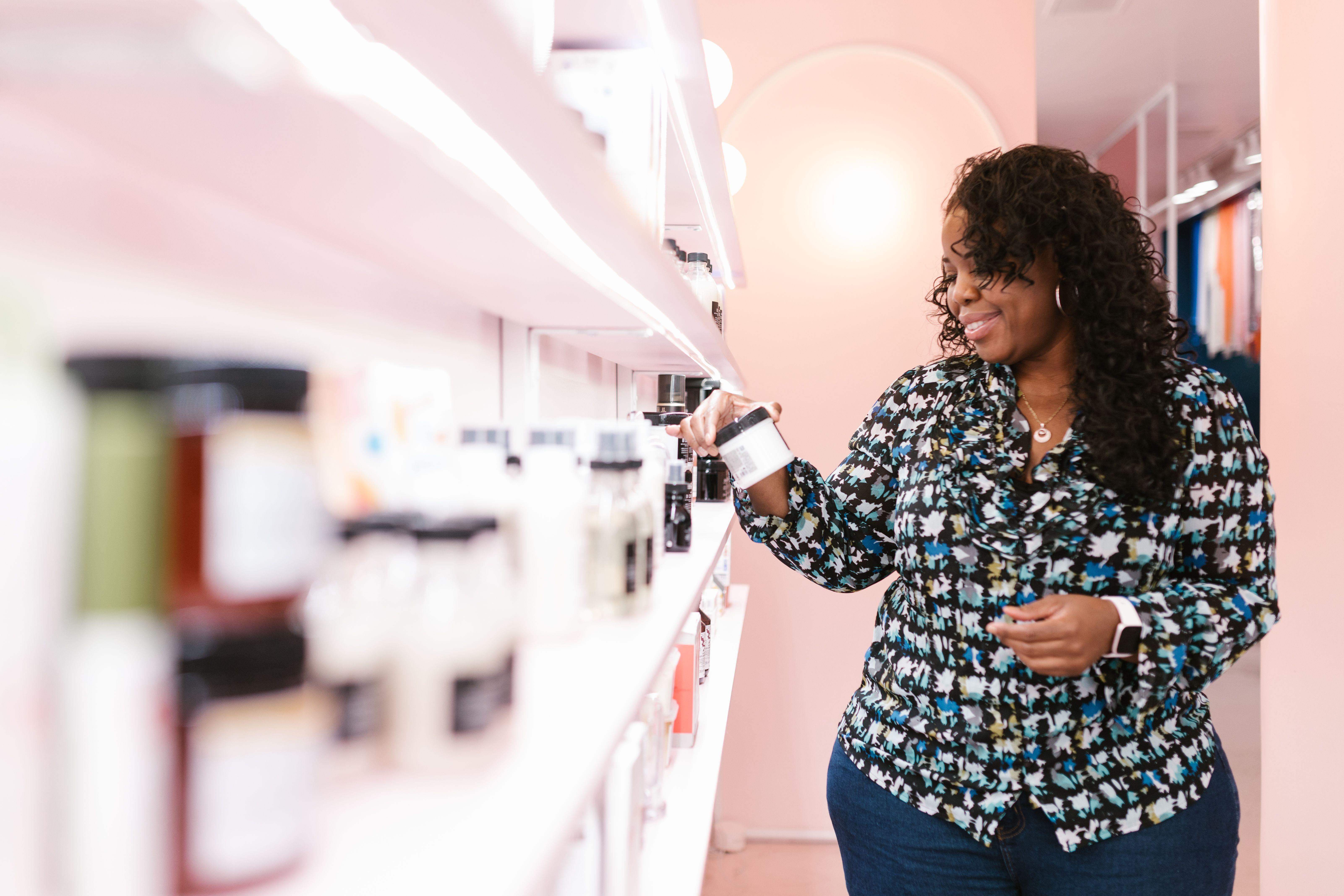
Beauty customers rarely follow a single path when interacting with a brand. They may discover a product through social media, research ingredients on a website, ask questions through live chat, purchase through an ecommerce store, and later seek assistance through email or phone. Managing these interactions consistently across channels has become an important part of building trust and loyalty in the beauty industry.
Creating Consistent Customer Journeys
For growing beauty brands, DTC beauty customer service can extend far beyond answering basic product questions. Customers may want guidance about ingredients, product compatibility, shade selection, application methods, shipping, returns, subscriptions, or order status.
BPO teams can support these interactions across multiple channels while following the same brand guidelines. This helps ensure that customers receive consistent information whether they contact a beauty brand through chat, email, social messaging, or voice support.
Supporting Product Discovery and Recommendations
Beauty purchasing decisions can be highly personal. Customers often need help choosing products based on skin type, hair concerns, shade preferences, routines, or specific beauty goals.
Trained support representatives can provide product information and guide customers through available options based on approved brand resources. This creates a more helpful shopping experience while reducing uncertainty before purchase.
For ecommerce beauty brands, effective product assistance can also reduce preventable returns caused by incorrect expectations or product selection.
Managing Social and Digital Interactions
Social media has become an important customer service channel for beauty companies. A customer may comment on a product post, send a direct message about an order, or ask a question about a newly launched product.
BPO teams can help brands manage these interactions alongside traditional support channels. By monitoring incoming questions and following established escalation procedures, support teams can help brands respond promptly without requiring internal marketing teams to manage every customer interaction.
Improving Order and Post-Purchase Support
The customer experience does not end when an order is placed. Customers may need updates about shipping, delivery delays, exchanges, refunds, damaged products, or subscription changes.
BPO support teams can assist with these post-purchase interactions and coordinate with internal departments when issues require escalation. Consistent communication can reduce frustration and give customers greater confidence that problems are being addressed.
Connecting Multiple Channels Through BPO
Many retail outsource companies help brands bring different customer service channels under a coordinated operating model. Instead of managing phone, email, chat, and social support as completely separate functions, beauty brands can establish shared workflows and knowledge resources.
This approach can make customer interactions more seamless. When support information is connected, customers are less likely to repeat their questions when moving from one channel to another.
Scaling During Beauty Industry Peaks
Beauty brands frequently experience demand spikes around product launches, holidays, promotional campaigns, influencer collaborations, and seasonal shopping periods.
Maintaining a large permanent internal team solely for peak demand may not be cost-effective. BPO services allow brands to increase support capacity when volumes rise and adjust staffing when demand returns to normal.
This flexibility can help protect response times and service quality during periods when customer expectations are particularly high.
Supporting Loyalty and Retention
A strong omnichannel experience can influence whether customers return to a beauty brand. Customers are more likely to remain engaged when they receive helpful information, fast responses, and consistent assistance throughout the customer journey.
BPO teams can support loyalty initiatives by answering membership questions, assisting with rewards, managing subscription-related requests, and helping customers understand promotions or account benefits.
The objective is not simply to resolve individual tickets but to create interactions that reinforce the overall relationship between the customer and the brand.
Using Customer Interactions as Business Insights
Every customer interaction can provide useful information about products and customer expectations. Repeated questions may reveal gaps in product descriptions, while recurring complaints can highlight packaging, delivery, or product-quality issues.
Beauty brands can use support data to identify these patterns and share insights with merchandising, marketing, product, and operations teams. This transforms customer service from a reactive function into a source of business intelligence.
Maintaining Brand Voice and Quality
Outsourcing customer interactions does not mean giving up control over the customer experience. Beauty brands can provide detailed training, product documentation, tone-of-voice guidelines, escalation procedures, and quality standards to external teams.
Regular quality reviews and performance monitoring can help ensure that representatives remain aligned with the brand. The strongest BPO relationships function as an extension of the internal organization rather than as a disconnected third party.
Conclusion
The beauty industry's customer journey continues to become more connected, personalized, and channel-diverse. Customers expect brands to provide consistent assistance wherever they choose to interact.
BPO services can help beauty companies meet these expectations by combining trained support teams, omnichannel workflows, flexible staffing, and structured customer data. When managed strategically, outsourcing can give beauty brands the capacity to deliver responsive experiences at scale while allowing internal teams to focus on product innovation, marketing, and long-term growth.
 Spanish
 English
 Arabic
 French
 Portuguese
 Deutsch
 Turkish
 Dutch
 Italiano
 Russian
 Romaian
 Portuguese (Brazil)
 Greek