


Improve Your Smile and Oral Health With Modern Braces
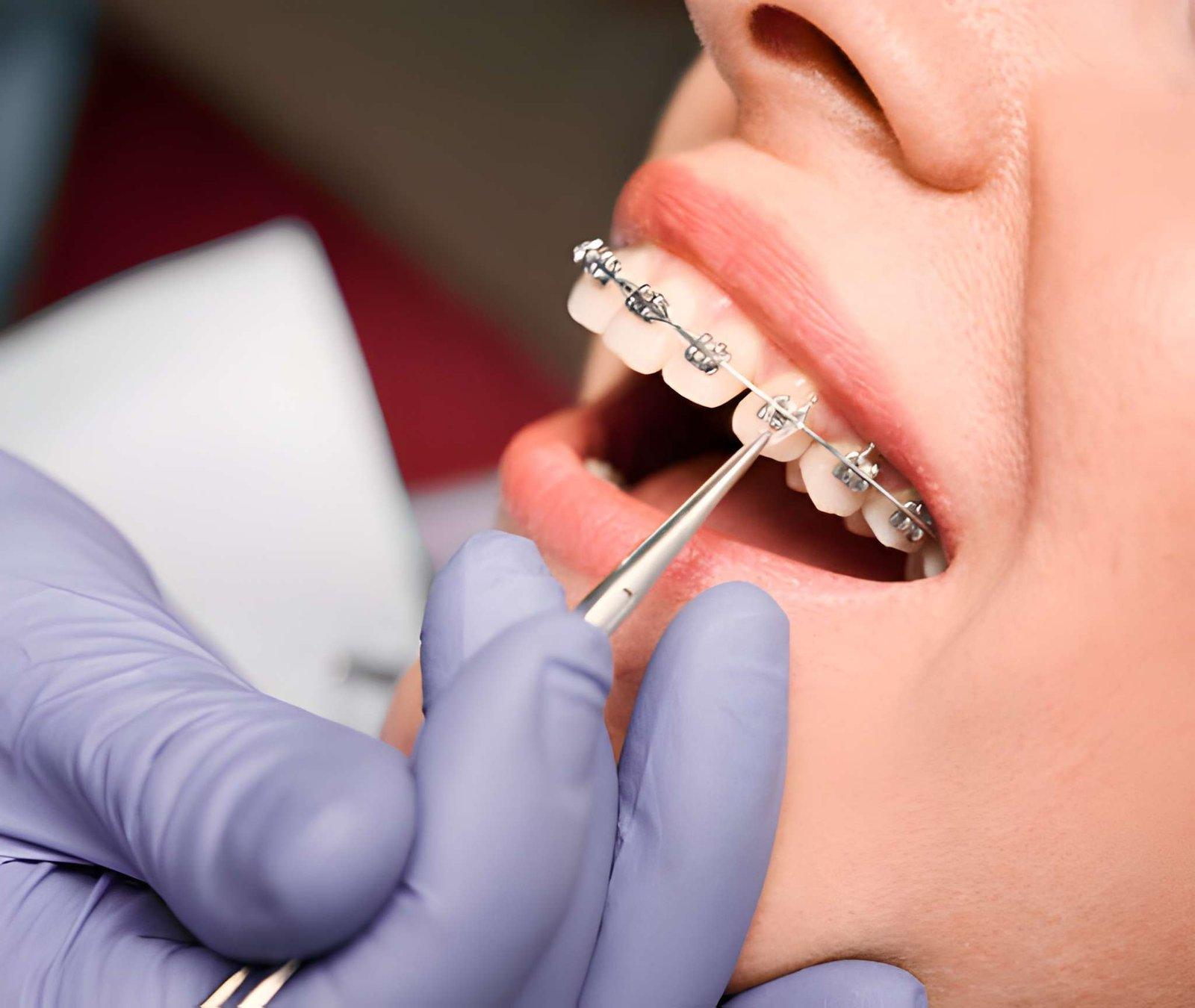
A healthy, confident smile can influence everyday experiences, from speaking comfortably to enjoying meals and interacting socially. Orthodontic treatment has evolved considerably, giving patients more choices for addressing crooked teeth, crowding, spacing, and bite concerns. Braces remain one of the most established approaches for gradually guiding teeth into healthier positions. Modern systems can be designed with comfort, appearance, and convenience in mind, allowing patients of different ages to receive personalized treatment while working toward improved alignment and better long term oral health.
Why Tooth Alignment Matters
Properly aligned teeth can make daily oral hygiene easier because toothbrushes and floss can reach more surfaces effectively. Crowded or overlapping teeth may create areas where food particles and plaque become difficult to remove thoroughly. Over time, inadequate cleaning can contribute to cavities, gum irritation, and other dental concerns. Correcting alignment can therefore provide benefits that extend beyond appearance. A well planned orthodontic treatment can support easier cleaning, improve the relationship between the upper and lower teeth, and contribute to a more balanced and functional bite.
How Braces Correct Dental Alignment
Gradual Movement for Lasting Results
Braces work by applying carefully controlled forces to teeth over time. Brackets are attached to the teeth and connected through an orthodontic wire or another corrective system. As treatment progresses, adjustments guide individual teeth toward their planned positions. The process is gradual because teeth and surrounding supporting tissues need time to respond safely. Treatment length varies considerably depending on the patient's age, dental condition, bite concerns, and overall treatment goals. An orthodontic examination is necessary to determine an appropriate approach for each individual.
Addressing Different Orthodontic Concerns
Modern braces can address a broad range of alignment and bite issues. They may be used for crowded teeth, excessive spacing, rotated teeth, overbites, underbites, crossbites, and other irregularities. Some patients may have a combination of concerns requiring a comprehensive treatment strategy. Correcting these issues can help establish a more balanced relationship between the teeth and jaws. The specific technique used depends on the patient's dental development, the severity of the concern, and the movement required to achieve a stable and functional result.
Types of Modern Braces
Traditional Metal Braces
Traditional metal braces remain a dependable choice for many orthodontic patients. Modern versions are generally smaller and more streamlined than older designs, while still providing precise control over tooth movement. They can be suitable for children, teenagers, and adults with a variety of orthodontic concerns. Because they are fixed to the teeth, patients do not need to remember to insert or remove them each day. Their established design and versatility make them a practical option for patients who require comprehensive tooth or bite correction.
Ceramic Braces
Ceramic braces offer another option for patients who want a less noticeable appearance during treatment. They use tooth colored or clear components that can blend more naturally with the teeth. This feature can make them appealing to teenagers and adults who are concerned about the visual impact of orthodontic appliances. Ceramic systems can address many of the same alignment concerns treated with traditional braces. However, patients should discuss their specific needs with an orthodontic professional because the most appropriate system depends on the movements required and the overall treatment plan.
The Importance of a Personalized Treatment Plan
Every Smile Has Different Needs
No two orthodontic cases are exactly alike, even when patients appear to have similar concerns. One person may need limited movement to close a small space, while another may require extensive correction involving crowding and bite alignment. A personalized assessment allows an orthodontic professional to evaluate tooth positions, jaw relationships, facial development, and other relevant factors. Digital records and imaging may also help with treatment planning. This individualized approach allows the proposed treatment to reflect the patient's specific dental condition instead of relying on a generalized approach.
Treatment Duration Can Vary
Patients often want to know how long they will need to wear braces before treatment begins. However, treatment duration depends on several variables, including the severity of the alignment problem, the type of movement required, the patient's age, and how consistently appointments and care instructions are followed. Some cases can be completed relatively quickly, while more complicated situations require additional time. An orthodontic professional can provide an estimated timeline after evaluating the patient's teeth and bite, although actual progress may vary throughout treatment.
Caring for Teeth During Orthodontic Treatment
Daily Brushing and Flossing
Maintaining excellent oral hygiene becomes especially important while wearing fixed braces. Brackets and wires can create additional areas where plaque and food debris accumulate. Patients should follow professional recommendations for brushing frequency and technique, paying attention to the spaces around brackets and along the gumline. Flossing can also require additional care because traditional floss may be harder to maneuver around orthodontic components. Specialized flossing tools may make cleaning easier. Consistent oral hygiene can help reduce the risk of cavities, gum problems, discoloration, and other complications during treatment.
Choosing Foods Carefully
Certain foods can damage orthodontic components or become trapped around brackets and wires. Hard, sticky, and excessively chewy foods may increase the risk of broken brackets or bent wires. Patients may be encouraged to cut firm foods into smaller pieces and avoid habits such as chewing on ice or other hard objects. Following dietary guidance can help protect the appliances and reduce unnecessary repair appointments. A balanced diet also supports general oral health, which remains important throughout orthodontic treatment. Patients should discuss specific dietary concerns with their orthodontic professional.
Keeping Orthodontic Appointments
Why Regular Monitoring Matters
Scheduled appointments allow an orthodontic professional to monitor tooth movement and determine whether treatment is progressing appropriately. During these visits, adjustments may be made to wires, brackets, or other components according to the treatment plan. Regular monitoring can also provide an opportunity to identify problems before they interfere significantly with treatment. Missing appointments may delay planned adjustments and potentially extend the overall treatment period. Patients can support steady progress by keeping scheduled visits and communicating promptly when they experience discomfort, damage, or other concerns.
Comfort During the Adjustment Process
Managing Temporary Discomfort
Some patients experience mild soreness or pressure after braces are placed or adjusted. This sensation generally occurs because the teeth are responding to controlled orthodontic forces. The discomfort is often temporary, but each patient can experience treatment differently. Following professional recommendations can help patients manage normal adjustment periods comfortably. Patients should also distinguish expected temporary soreness from persistent or severe discomfort. If an appliance causes significant irritation or another unexpected problem develops, contacting the orthodontic office can help determine whether an adjustment or additional care is needed.
Benefits Beyond Appearance
Supporting Better Oral Function
Straightening teeth can contribute to more than an improved smile. Proper alignment may help create a more balanced bite, allowing the upper and lower teeth to meet more effectively during chewing. Addressing certain bite problems can also reduce uneven pressure on individual teeth. Improved positioning may make some aspects of oral hygiene easier as well. While orthodontic treatment does not guarantee prevention of every dental problem, correcting alignment and bite concerns can contribute to a healthier oral environment when combined with consistent brushing, flossing, regular dental visits, and other recommended preventive care.
Braces for Different Age Groups
Treatment for Children and Teenagers
Orthodontic treatment can be especially useful during childhood and adolescence because dental and jaw development can influence treatment planning. An orthodontic evaluation can identify developing alignment concerns and determine whether treatment is appropriate at a particular stage. Some children may benefit from early intervention, while others may be monitored until more permanent teeth have developed. Teenagers often begin treatment when most permanent teeth are present. The timing depends on individual development rather than age alone, making professional evaluation an important part of determining the right treatment stage.
Orthodontic Treatment for Adults
Adults can also pursue orthodontic treatment for functional and cosmetic reasons. Advancements in orthodontic technology have expanded the range of treatment choices available to mature patients. Some adults seek correction of longstanding alignment concerns, while others experience shifting after previous orthodontic treatment. Existing dental work, gum health, bone support, and other factors may influence the treatment approach. A comprehensive evaluation helps determine whether braces or another orthodontic method is appropriate. Adults should discuss their expectations openly so treatment goals can be aligned with their dental needs.
Building Good Habits During Treatment
Patient Cooperation Makes a Difference
Orthodontic treatment involves active participation from the patient, particularly when it comes to hygiene, food choices, appointments, and appliance care. Patients who follow instructions carefully can help protect their teeth and orthodontic equipment throughout treatment. They should report broken brackets, loose wires, unusual discomfort, or other issues rather than attempting complicated repairs themselves. Good habits can also make the treatment process more predictable. Families can support younger patients by helping establish consistent cleaning routines and appointment schedules that make orthodontic care easier to manage.
Protecting the Results After Braces
The Importance of Retainers
Completing active orthodontic treatment is an important milestone, but maintaining the corrected tooth positions requires ongoing attention. Retainers are commonly prescribed to help keep teeth in their new positions after braces are removed. Teeth can naturally shift over time, particularly when retention instructions are not followed. The type of retainer and recommended wearing schedule depend on individual circumstances. Patients should follow their orthodontic professional's guidance and attend recommended follow up visits. Proper retainer care can help protect the investment made in achieving a healthier and more attractive smile.
Making an Informed Orthodontic Choice
Questions Worth Asking
Before starting treatment, patients can benefit from asking detailed questions about their proposed orthodontic plan. They may want to understand the recommended treatment method, estimated duration, expected appointment schedule, hygiene requirements, potential dietary restrictions, and retention process. Financial questions are also important, including what the treatment fee covers and whether additional services could create separate costs. Clear communication can help patients understand what to expect from beginning to end. A well informed decision can make the orthodontic experience more manageable and help establish realistic expectations.
Final Thoughts
Modern orthodontic care provides patients with effective ways to improve tooth alignment, bite function, oral hygiene, and smile confidence. Traditional and ceramic options can address many different concerns when selected and managed according to individual needs. Successful treatment involves more than wearing an orthodontic appliance, however. Regular professional monitoring, careful oral hygiene, thoughtful food choices, appointment attendance, and proper retainer use all contribute to the overall experience. Patients considering orthodontic treatment can discuss their goals and concerns with Accent Orthodontics to explore an approach suited to their smile and oral health needs.
 Deutsch
 English
 Arabic
 French
 Spanish
 Portuguese
 Turkish
 Dutch
 Italiano
 Russian
 Romaian
 Portuguese (Brazil)
 Greek