


Dog Food Packaging Evolves with Convenience, Sustainability, and Premium Pet Nutrition
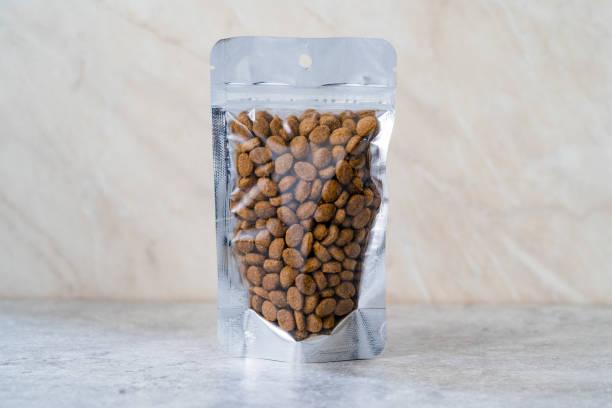
The growing focus on pet health and nutrition is influencing not only the types of dog food available to consumers but also the packaging used to protect, preserve, and present these products. Packaging has become an important part of the pet food purchasing experience, supporting product freshness, storage convenience, transportation, portion management, and brand differentiation.
According to the latest analysis from Vyansa Intelligence, the global dog food packaging sector was valued at USD 6.79 billion in 2025 and is projected to reach USD 9.75 billion by 2032, registering a CAGR of 5.3% from 2026 to 2032. The expansion reflects continued demand for dog food products, changing consumer expectations, convenience-oriented formats, premiumization, and growing attention to packaging sustainability.
Pet Ownership Supports Packaging Demand
The expansion of pet ownership and increasing expenditure on pet care are creating a strong foundation for demand for dog food packaging. As owners increasingly view dogs as family members, they are paying greater attention to nutrition, ingredients, product quality, and feeding routines.
This shift has encouraged the development of different dog food categories, including dry food, wet food, treats, functional nutrition, specialized diets, and premium formulations. Each category requires packaging with different performance characteristics.
Dry dog food, for example, needs packaging that helps protect products from moisture and air while supporting convenient storage. Wet food requires containers that can protect the contents from contamination and maintain product integrity throughout its shelf life.
Convenience Is Changing Packaging Formats
Convenience has become an important consideration for pet owners. Busy households often look for dog food packaging that is easy to open, store, transport, and dispose of.
Resealable bags can help maintain product freshness after opening, while smaller pouches and single-serve formats can simplify portion control. Containers with easy-open features can also improve accessibility.
For larger households or owners with multiple dogs, larger bags and bulk formats can provide value and reduce the frequency of purchases.
This variety means packaging manufacturers must balance usability with protection, cost, and material efficiency.
Dry Dog Food Remains a Major Application
Dry dog food is widely consumed because of its convenience, storage characteristics, and comparatively long shelf life. Its packaging must protect the product against moisture, oxygen, pests, and contamination.
Flexible bags are widely suited to these requirements because they can provide barrier protection while remaining relatively lightweight.
Packaging designs can also incorporate resealable closures, handles, and reinforced structures to improve the consumer experience.
As premium dry food products become more common, manufacturers are also using packaging design to communicate nutritional quality and product positioning.
Wet Food Requires Strong Product Protection
Wet dog food presents different packaging requirements because of its higher moisture content and formulation characteristics.
Cans, trays, pouches, and other rigid or flexible formats can be used to provide protection against external contamination while supporting shelf stability.
Portion-sized packaging is particularly useful for wet food because owners can serve an appropriate quantity without needing to store a partially used container for an extended period.
Flexible pouches can also offer convenience because of their lower weight compared with some rigid formats.
Premium Pet Food Influences Packaging Design
Premiumization is an important trend within the pet food industry. Owners are increasingly interested in products positioned around high-quality ingredients, specialized nutrition, functional benefits, and tailored dietary requirements.
Packaging plays an important role in communicating this positioning.
Premium brands can use distinctive structures, high-quality printing, specialized closures, and sophisticated visual designs to differentiate products on retail shelves and digital marketplaces.
Packaging can also communicate information about ingredients, nutritional benefits, feeding instructions, certifications, and product claims.
Sustainability Is Becoming More Important
Environmental considerations are increasingly influencing packaging decisions across consumer goods, including pet food.
Consumers and brands are paying greater attention to material use, recyclability, recycled content, packaging weight, and end-of-life management.
The U.S. Environmental Protection Agency's notes that reducing packaging at the source, lightweighting, reuse, and recycling are important components of sustainable materials management.
For dog food packaging manufacturers, this creates opportunities to reduce unnecessary material while maintaining the barrier properties required to protect food products.
However, sustainability improvements must account for the functional requirements of pet food packaging. Reducing material too aggressively can compromise durability or product protection.
Flexible Packaging Offers Material Efficiency
Flexible packaging is increasingly relevant for dog food because it can combine barrier protection with relatively low material weight.
Pouches and flexible bags can be designed to use less material than certain rigid alternatives while providing convenient features such as resealable closures and easy-open systems.
Lightweight packaging can also reduce transportation requirements because less packaging weight is moved through the supply chain.
The EPA identifies lightweighting and packaging redesign as approaches that can reduce waste and conserve resources.
The challenge is ensuring that flexible structures remain sufficiently durable throughout filling, transportation, retail handling, and consumer use.
Recyclability Remains a Challenge
Although sustainability is becoming more important, recycling dog food packaging can be complicated by the variety of materials used.
Some flexible packages contain multiple layers that provide oxygen, moisture, aroma, and grease barriers. These structures can be difficult to recycle through conventional systems when different materials cannot be economically separated.
This creates an opportunity for packaging developers to explore simplified material structures and designs that are compatible with available recycling systems.
The EPA's containers and packaging data provides information on packaging materials, recycling, generation, and waste-management pathways.
The EPA also emphasizes that recycling depends on proper collection, sorting, and processing systems, and consumers should follow the requirements of their local recycling programs.
Packaging Must Protect Product Quality
Dog food packaging has a fundamental role beyond appearance and convenience: it must protect the product.
Exposure to oxygen, humidity, light, pests, and contaminants can affect food quality and shelf life. Packaging therefore needs to provide appropriate barrier properties based on the product formulation and storage conditions.
For products containing sensitive fats, vitamins, functional ingredients, or specialized formulations, maintaining product stability can be particularly important.
Manufacturers must consequently balance sustainability goals with the technical performance required for safe and effective food packaging.
E-Commerce Is Influencing Packaging Requirements
Online purchasing has become increasingly relevant to pet food distribution. Consumers can order bags, boxes, pouches, cans, and multipacks directly through e-commerce platforms and have them delivered to their homes.
This changes packaging requirements because products may experience additional handling during warehouse fulfillment and last-mile delivery.
Dog food packages must therefore withstand shipping, stacking, vibration, and handling without excessive tearing, puncturing, leakage, or deformation.
Packaging designed for online distribution can also incorporate stronger seals, protective secondary packaging, and formats optimized for shipping efficiency.
Smart Design Can Improve Consumer Experience
Packaging innovation is not limited to material selection. Structural design can also improve usability.
Features such as resealable zippers, handles, easy-tear openings, measuring systems, portion packs, and stackable containers can make feeding routines easier.
Clear labeling is equally important. Consumers need to understand ingredients, nutritional information, feeding recommendations, storage instructions, and product characteristics.
As pet owners become more informed about nutrition, packaging can serve as an important communication channel between brands and consumers.
Portion Control Creates New Opportunities
Portion control is becoming increasingly relevant as owners pay greater attention to pet weight and overall health.
Single-serving formats and packaging with clear feeding guidance can help owners manage quantities more conveniently.
Smaller packs can also benefit households that want to test a new food before committing to a larger package.
At the same time, larger formats remain attractive to consumers seeking better value or purchasing food for multiple pets.
This creates opportunities for packaging portfolios that cover multiple sizes and consumption occasions.
Supply Chain Efficiency Remains Important
Packaging affects nearly every stage of the dog food supply chain, from manufacturing and filling to warehousing, transportation, retail display, and household storage.
Efficient packaging can improve pallet utilization, reduce empty space, and lower transportation requirements.
Lightweight formats can provide additional logistical advantages, although they must maintain adequate strength.
For manufacturers, optimizing packaging therefore involves more than selecting the lowest-cost material. Packaging design needs to account for product protection, transportation efficiency, shelf presentation, consumer convenience, and end-of-life considerations.
Regulation and Sustainability Expectations Will Shape Development
Packaging manufacturers and pet food companies must increasingly consider evolving environmental expectations.
Governments and regulators are placing greater emphasis on reducing packaging waste, increasing recycling, improving material efficiency, and supporting circular economy models.
The EPA's sustainable packaging principles emphasize reducing environmental impacts through more efficient packaging construction and improved recovery of discarded packaging.
These principles can encourage dog food brands to review packaging materials, structures, labeling, and end-of-life pathways.
Outlook for Dog Food Packaging
The sector is expected to benefit from continued pet ownership, premium dog food consumption, growing demand for convenient formats, and increasing attention to product quality.
Flexible packaging, resealable formats, portion-sized products, and packaging optimized for e-commerce can create additional opportunities. Sustainability will also remain a central theme as brands seek to reduce material consumption, improve recyclability, and respond to changing consumer expectations.
At the same time, packaging developers must preserve the fundamental functions of protection, shelf-life extension, durability, and food safety.
Overall, dog food packaging is evolving from a simple protective layer into an important part of the broader pet food value proposition. Companies that can combine functional performance with convenience, attractive design, efficient logistics, and credible sustainability strategies will be well positioned as the sector expands through 2032.

 Arabic
 French
 Spanish
 Portuguese
 Deutsch
 Turkish
 Dutch
 Italiano
 Russian
 Romaian
 Portuguese (Brazil)
 Greek