


Why Businesses Need Advanced Warehouse Fulfillment Solutions
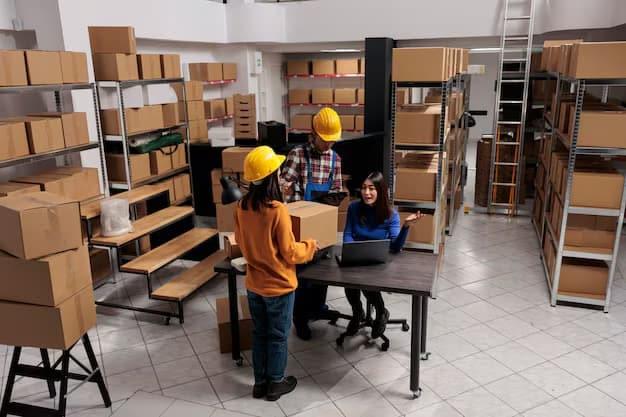
Modern businesses face increasing pressure to process orders quickly, maintain inventory accuracy, control operational costs, and meet rising customer expectations. Traditional warehouse processes can become difficult to manage as order volumes, product ranges, and distribution requirements expand. Manual tracking and disconnected workflows may create delays, picking errors, inventory discrepancies, and unnecessary labor expenses. Advanced warehouse fulfillment solutions can help businesses organize critical warehouse activities through more structured and efficient processes. By improving inventory visibility, order processing, picking, packing, and shipment preparation, these solutions can help organizations strengthen operational performance and create a more dependable fulfillment experience.
Understanding Advanced Warehouse Fulfillment
Warehouse fulfillment includes the activities required to move products from storage to completed customer orders. These activities commonly include receiving, inventory management, storage, picking, packing, verification, and dispatch. When these processes operate independently, employees may experience communication gaps and delays. Advanced fulfillment approaches connect these activities more effectively, allowing information to move through the warehouse with greater consistency. This creates a smoother workflow and helps businesses maintain better control over inventory and orders while handling increasing operational complexity.
The Role of Fulfillment Efficiency
Fulfillment efficiency affects both internal performance and customer satisfaction. When orders are processed slowly, businesses may experience higher labor costs and delayed shipments. When orders are processed inaccurately, customers may receive incorrect products or quantities. Efficient fulfillment focuses on completing every stage with minimal unnecessary movement, waiting, and rework. Better coordination helps employees complete tasks faster while maintaining accuracy. This balance between speed and precision is essential for businesses that want to maintain reliable service as their operations expand.
Improving Inventory Visibility
Accurate inventory visibility allows businesses to understand how much stock is available and where products are located. Limited visibility can result in unnecessary purchases, stockouts, and delayed order processing. Advanced fulfillment solutions can provide organized information about product quantities, storage locations, and inventory movements. Employees can access more reliable stock information when preparing orders. Managers can also identify potential shortages or excess inventory earlier. Better visibility supports faster decision making and reduces uncertainty throughout the fulfillment process.
Managing Inventory Across Facilities
Businesses operating multiple warehouses need coordinated inventory information across their distribution network. Without centralized visibility, one facility may have excess inventory while another experiences a shortage. Advanced fulfillment processes can help businesses understand where products are stored and determine which facility is best positioned to fulfill specific orders. This reduces unnecessary transfers and purchasing. Better coordination across facilities can also improve delivery speed by allowing orders to be processed from locations closer to customers when appropriate.
Increasing Order Accuracy
Customers expect their orders to contain the correct products and quantities. Fulfillment errors can create returns, replacement shipments, additional transportation costs, and customer complaints. Advanced warehouse processes can improve accuracy by providing clear information during picking, packing, and verification. Employees can follow standardized procedures that reduce the possibility of selecting incorrect items. Better inventory visibility also helps confirm whether products are available before an order enters the fulfillment process. Higher accuracy reduces rework and strengthens customer confidence.
Reducing Picking Mistakes
Picking is one of the most important warehouse activities because an error at this stage can affect the entire order. Employees may accidentally select similar products, incorrect quantities, or items from the wrong storage location. Organized fulfillment workflows can provide clear product and location information to reduce these mistakes. Verification steps can also confirm that selected products match order requirements. Reducing picking errors improves productivity because employees spend less time correcting shipments and processing returns.
Accelerating Order Processing
Customers increasingly expect businesses to process purchases quickly after an order is placed. Delays inside the warehouse can affect the entire delivery timeline. Advanced fulfillment solutions can organize order priorities and coordinate activities from picking through dispatch. Employees can receive clearer task information and reduce time spent waiting for instructions or locating products. Faster order processing allows businesses to move completed orders into transportation more efficiently. This improves service reliability and helps organizations handle larger order volumes without sacrificing processing speed.
Handling High Order Volumes
Order volumes can increase significantly during holidays, promotions, seasonal periods, or unexpected demand changes. Warehouses that depend heavily on manual processes may struggle to maintain normal processing times during these periods. Advanced fulfillment workflows can help businesses organize workloads and adjust operational priorities according to demand. Better visibility allows managers to identify areas requiring additional support. This flexibility helps warehouses maintain service levels even when order activity increases rapidly.
Optimizing Warehouse Picking
Picking often requires substantial employee movement within a warehouse. Poorly organized picking routes can increase travel time and reduce productivity. Advanced fulfillment processes can help organize picking activities according to product locations, order requirements, and operational priorities. Employees can follow more efficient routes and reduce unnecessary movement. Better picking organization allows warehouses to process more orders within the same working period. It also reduces physical effort and helps employees maintain more consistent productivity.
Improving Picking Routes
Efficient routes reduce the distance employees travel between storage locations. Products that are frequently ordered can be positioned strategically to reduce unnecessary movement. Fulfillment information can help managers understand which products generate the highest activity and where improvements may be possible. Better route planning allows employees to complete picking tasks faster. Over time, these improvements can increase warehouse capacity without requiring immediate expansion of the physical facility.
Improving Packing Operations
Packing is an important fulfillment stage because products must be prepared correctly and securely before shipment. Poor packing processes can create delays, product damage, and order errors. Advanced fulfillment workflows can help employees verify product information and follow consistent packing procedures. Orders can be checked before packages are sealed, reducing the risk of missing products or incorrect quantities. Efficient packing helps completed orders move more quickly toward dispatch while supporting a better customer experience.
Reducing Packaging Errors
Packaging mistakes may involve incorrect labels, missing products, unsuitable materials, or incomplete orders. These issues can increase return rates and create additional work for warehouse teams. A standardized packing process helps employees complete necessary checks before shipment. When mistakes are identified before dispatch, businesses avoid the transportation and administrative costs associated with correcting them later. Better packaging accuracy also improves the condition and completeness of orders received by customers.
Supporting Faster Dispatch
Completed orders should move from packing areas to transportation as efficiently as possible. Delays in staging or dispatch can reduce the benefits gained from faster picking and packing. Advanced fulfillment processes can organize completed shipments according to destinations, delivery priorities, and transportation schedules. This allows employees to prepare shipments more systematically. Faster dispatch reduces the time between order completion and carrier handoff. It also helps businesses maintain more consistent shipment schedules during periods of high demand.
Coordinating Shipment Priorities
Different orders may have different delivery requirements. Some may require faster processing because of customer commitments, while others can follow standard schedules. Organized fulfillment workflows allow warehouse teams to identify these priorities more clearly. Employees can focus resources on urgent orders without disrupting routine shipments. Better prioritization reduces confusion and helps ensure that important orders are prepared according to their required timelines.
Reducing Warehouse Labor Costs
Labor is a major expense in many warehouse operations. Inefficient processes can cause employees to spend considerable time searching for products, correcting errors, entering information, or waiting for tasks. Advanced fulfillment solutions can reduce some of these inefficiencies by organizing workflows and providing better information. Employees can spend more time performing productive warehouse activities. Improved labor utilization allows businesses to process greater volumes without requiring staffing increases that directly match order growth.
Improving Employee Productivity
Employee productivity increases when workers have clear responsibilities and access to accurate information. Confusing workflows can create delays and increase frustration. Structured fulfillment processes provide employees with more consistent instructions and task information. Workers can spend less time determining what needs to be done and more time completing assigned activities. Better productivity supports faster fulfillment and allows warehouse teams to use available labor more effectively.
Reducing Operational Errors
Warehouse errors can occur at almost every stage, including receiving, storage, picking, packing, and dispatch. Repeated errors create additional labor requirements and can affect customer relationships. Advanced fulfillment solutions can introduce more consistent processes and verification points. Employees can identify mistakes earlier instead of discovering them after shipments have left the warehouse. Early detection reduces the cost of correction and helps organizations improve the overall reliability of their operations.
Identifying Recurring Problems
Some warehouse errors occur repeatedly because their underlying causes are not addressed. For example, frequent picking mistakes may indicate unclear product locations or poor storage organization. Repeated inventory discrepancies may point to receiving or counting issues. Fulfillment performance information can help managers recognize these patterns. By addressing root causes rather than correcting individual mistakes, businesses can improve warehouse reliability over the long term.
Improving Warehouse Space Utilization
Warehouse space is a valuable resource, especially for businesses handling large product ranges. Poor storage arrangements can make products difficult to access and increase employee travel. Advanced fulfillment approaches can help businesses evaluate product movement and determine how storage areas should be organized. Frequently picked products may be placed in convenient locations, while slower moving items can occupy less accessible areas. Better space utilization improves productivity and can delay the need for additional storage capacity.
Organizing Product Locations
Consistent product location management helps employees find inventory quickly. When products are stored according to clear location rules, picking becomes more predictable and inventory counting becomes easier. Accurate location information also reduces the risk of misplaced stock. Organized storage creates a more efficient warehouse environment and helps employees complete tasks with fewer interruptions. This becomes particularly valuable as product catalogs and inventory quantities continue to grow.
Supporting Better Customer Experiences
Warehouse performance directly influences how customers perceive a business. Customers may not see warehouse operations, but they notice when orders arrive late, contain incorrect products, or are missing items. Advanced fulfillment solutions can improve the internal processes responsible for these outcomes. More accurate picking, faster processing, and reliable dispatch contribute to consistent customer experiences. Businesses that provide dependable fulfillment are more likely to build trust and encourage customers to return for future purchases.
Building Customer Trust
Trust is strengthened when businesses consistently deliver what customers expect. Accurate orders and dependable shipment preparation demonstrate operational reliability. Repeated fulfillment problems can have the opposite effect and may encourage customers to seek alternatives. By improving warehouse processes, businesses can reduce avoidable problems and create more predictable order experiences. Consistency is therefore one of the most important ways efficient fulfillment supports long term customer relationships.
Supporting Business Scalability
Business growth often creates additional fulfillment challenges. Higher order volumes, broader product catalogs, and multiple distribution locations can make manual processes increasingly difficult to manage. Advanced fulfillment solutions provide structured workflows that can support greater operational complexity. Businesses can increase fulfillment capacity while maintaining better visibility and process control. This scalability allows organizations to pursue growth without allowing warehouse inefficiencies to increase at the same pace.
Managing Growing Product Catalogs
As businesses introduce new products, warehouses must manage additional variations, locations, and inventory quantities. This can create confusion if product information is not organized properly. Advanced fulfillment processes help maintain consistent product records and storage information. Employees can identify products more accurately and complete orders with fewer mistakes. Better catalog management becomes increasingly important as product diversity increases.
Conclusion
Advanced warehouse fulfillment solutions can help businesses improve inventory visibility, order accuracy, picking productivity, packing efficiency, dispatch speed, and labor utilization. These improvements reduce operational errors while helping organizations manage increasing order volumes and customer expectations. Better fulfillment processes also support scalability by creating structured workflows that can adapt to changing business requirements. When warehouse operations become more efficient, businesses can reduce unnecessary costs while delivering more dependable service. Avectous can help organizations explore modern fulfillment approaches that strengthen warehouse performance, improve customer satisfaction, and support sustainable business growth.
 Greek
 English
 Arabic
 French
 Spanish
 Portuguese
 Deutsch
 Turkish
 Dutch
 Italiano
 Russian
 Romaian
 Portuguese (Brazil)