


What Patients Should Know Before Wisdom Teeth Removal Procedures
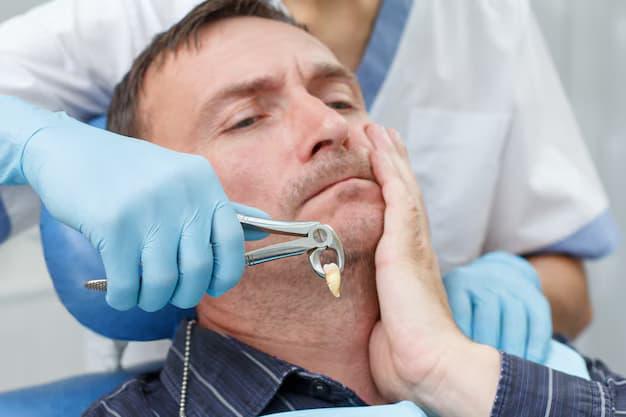
Wisdom teeth can develop during the late teenage years or early adulthood, and their position can sometimes create challenges for oral health. Some people have enough room for these teeth to emerge normally, while others experience crowding, discomfort, inflammation, or difficulty keeping the area clean. Before undergoing Wisdom Teeth Removal, patients should understand why the procedure may be recommended, how an evaluation is performed, and what preparation involves. Knowing what to expect can help reduce uncertainty, support informed decisions, and make the recovery period easier to manage.
Understanding Wisdom Teeth
Wisdom teeth are the final set of molars to develop at the back of the mouth. Because they emerge later than other permanent teeth, there may not always be enough room for them to grow into a healthy position. Some wisdom teeth emerge partially, remain beneath the gum tissue, or develop at an unusual angle. Their position can affect nearby teeth and surrounding tissues. A dental examination can determine whether these teeth are developing normally or whether their position could create future problems requiring monitoring or treatment.
Why Wisdom Teeth Can Become Problematic
Wisdom teeth can create concerns when they become impacted or partially erupted. An impacted tooth may remain trapped within the jawbone or gum tissue because there is insufficient space for normal eruption. Partially erupted teeth can also create areas where food particles and bacteria become difficult to remove. This may contribute to inflammation, decay, or infection around the tooth. In some cases, wisdom teeth can place pressure on neighboring teeth. A professional evaluation helps identify these risks and determine whether removal is appropriate.
Recognizing Common Symptoms
Not every problematic wisdom tooth causes immediate symptoms. Some patients may experience no discomfort even when a tooth is positioned in a way that could eventually create complications. Others may notice pain, swelling, tenderness, difficulty opening the mouth, unpleasant taste, or irritation near the back molars. Symptoms can appear periodically and then temporarily improve, which may lead some people to postpone evaluation. Persistent or recurring symptoms should receive professional attention. Early assessment can help determine the cause and prevent a manageable concern from becoming more complicated.
Pain and Swelling
Pain around the back of the jaw can occur when a wisdom tooth is erupting, impacted, or surrounded by inflamed tissue. Swelling may develop around the gum or along the jawline when inflammation becomes more significant. Patients should avoid assuming that recurring discomfort will resolve permanently without treatment. A dental professional can examine the area and determine whether the symptoms are related to a wisdom tooth or another condition. Prompt evaluation is particularly important when swelling becomes significant, discomfort increases, or normal activities such as eating and opening the mouth become difficult.
Why an Evaluation Is Important
A thorough evaluation provides information that cannot always be obtained by looking at the visible portion of a wisdom tooth. Dental imaging can show the position of the tooth, its roots, surrounding bone, and relationship with nearby structures. The dental professional can also assess the condition of neighboring teeth and the surrounding gums. This information helps determine whether the wisdom tooth should be monitored or removed. Individual anatomy varies considerably, so treatment decisions should be based on examination findings rather than age or symptoms alone.
Assessing Tooth Position
The position of a wisdom tooth is an important factor when considering removal. A tooth may be upright and fully erupted, partially covered by gum tissue, or angled toward an adjacent molar. Some teeth remain completely within the jawbone. Their position can influence the difficulty of removal and the potential risks associated with treatment. Imaging allows the dental professional to evaluate these characteristics before recommending a procedure. Patients can then receive a treatment plan based on the specific anatomy rather than relying on assumptions about how wisdom teeth normally develop.
When Removal May Be Recommended
Removal may be recommended when wisdom teeth are causing pain, repeated inflammation, infection, decay, damage to neighboring teeth, or other significant concerns. In some cases, a tooth that has not yet caused symptoms may still be considered for removal if its position creates a substantial risk of future complications. The decision depends on factors such as age, tooth position, oral hygiene, surrounding structures, and overall dental health. A professional consultation helps patients understand why removal is being considered and whether monitoring could be an appropriate alternative.
Impacted Wisdom Teeth
Impaction occurs when a wisdom tooth cannot emerge into a functional position. It may become trapped beneath gum tissue or bone or grow toward another tooth. Impacted teeth can sometimes remain symptom free, but their position may make cleaning difficult or increase the risk of certain dental problems. Depending on the circumstances, a professional may recommend monitoring or removal. The decision should consider the tooth's location, surrounding structures, and potential long term effects. Regular imaging and examinations can be useful when monitoring is selected.
Preparing Before the Procedure
Preparation for wisdom tooth removal depends on the type of procedure and the anesthesia planned. Patients receive specific instructions before treatment concerning eating, drinking, medications, transportation, and other practical matters. These instructions should be followed carefully because they are designed around the planned procedure and anesthesia requirements. Patients should also provide complete information about medications, allergies, and relevant health considerations. Arranging transportation may be necessary when sedation or anesthesia affects alertness.
Conclusion
Understanding the reasons for wisdom tooth removal, preparing appropriately, and following professional aftercare instructions can make the treatment experience more manageable. Evaluation is important because wisdom teeth vary greatly in position, development, and potential impact on surrounding structures. Patients should ask questions about the procedure, anesthesia, recovery, risks, and follow up care before treatment begins. Prompt attention to unusual symptoms during recovery can also support safer healing. With careful planning and individualized guidance, patients can approach wisdom tooth treatment with greater confidence and realistic expectations. For comprehensive dental evaluation and personalized surgical care, Clove Dental can help patients understand their treatment options.
 Greek
Greek
 English
 Arabic
 French
 Spanish
 Portuguese
 Deutsch
 Turkish
 Dutch
Dutch
 Italiano
 Russian
 Romaian
 Portuguese (Brazil)