


What Power Does a Solar Panel Generate for the Average Home
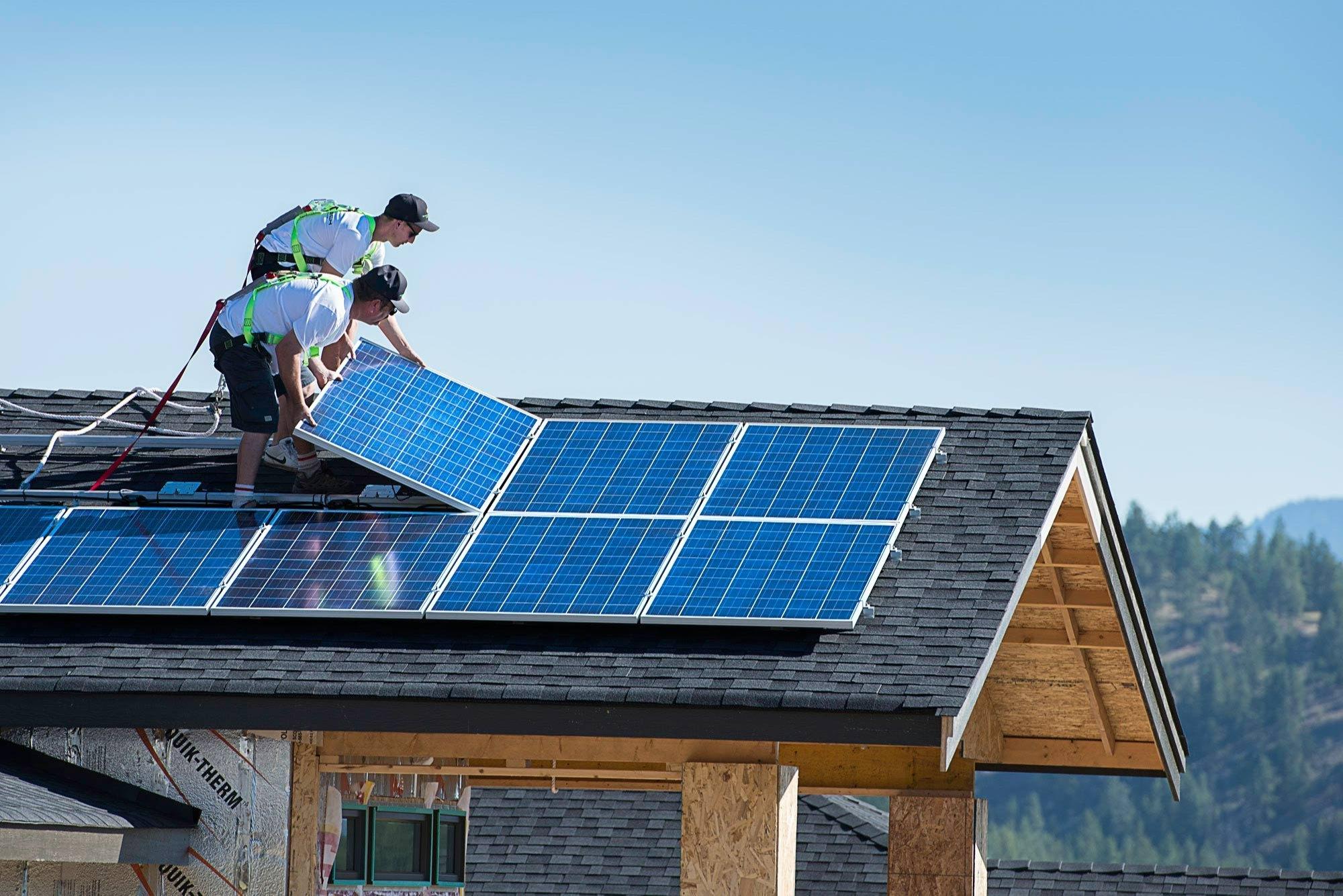
One of the first questions homeowners ask when considering solar is simple but important, what power does a solar panel generate in real world conditions. The answer depends on several variables, but understanding the basics helps set realistic expectations before installation begins.
Standard Panel Wattage
Most residential solar panels available today are rated between three hundred and four hundred watts under ideal laboratory conditions. This rating represents the maximum output a single panel can produce when exposed to full, direct sunlight at an optimal angle and temperature. In practice, actual output fluctuates throughout the day based on weather and sun position.
Factors That Influence Real World Output
Several conditions affect how much energy a panel actually produces on any given day. Cloud cover, shading from trees or nearby structures, panel angle, and even temperature can all impact performance. Interestingly, panels can actually become slightly less efficient in extreme heat, which is why proper installation and ventilation are considered during system design.
Because so many variables affect performance, an accurate estimate requires careful analysis of a home's specific location and roof conditions. Simply Solar uses detailed site assessments and historical weather data to give homeowners a realistic projection rather than a generic industry average.
Calculating Daily and Monthly Production
A typical residential system, made up of multiple panels working together, can produce enough electricity to cover a significant portion, or in many cases all, of a household's monthly energy usage. Production is generally highest during the summer months when daylight hours are longer and sunlight is more intense.
Why System Size Matters More Than a Single Panel
While it is useful to understand individual panel output, the true measure of a solar investment comes from the performance of the entire array working together. A properly sized system, based on actual household consumption, ensures homeowners get the most value from their installation.
Tracking Output Over Time
Modern monitoring platforms allow homeowners to view production data by the hour, day, or month, making it easy to spot seasonal patterns or sudden drops that might signal a maintenance issue. This ongoing visibility helps families understand exactly how their investment is performing throughout the year.
Setting Realistic Household Expectations
Homeowners should remember that production naturally dips on overcast days and during shorter winter daylight hours, which is a normal part of how solar energy works rather than a sign of malfunction. Understanding these seasonal patterns in advance helps avoid unnecessary concern when output varies from month to month.
Final Thoughts
Understanding what power does a solar panel generate helps homeowners set realistic expectations and make informed decisions about system size. With the right combination of panel count, placement, and quality equipment, a well designed system can meet a substantial share of a household's energy needs throughout the year.

 Arabic
 French
 Spanish
 Portuguese
 Deutsch
 Turkish
 Dutch
 Italiano
 Russian
 Romaian
 Portuguese (Brazil)
 Greek