


Coated Sand Casting Mold for Complex Metal Components
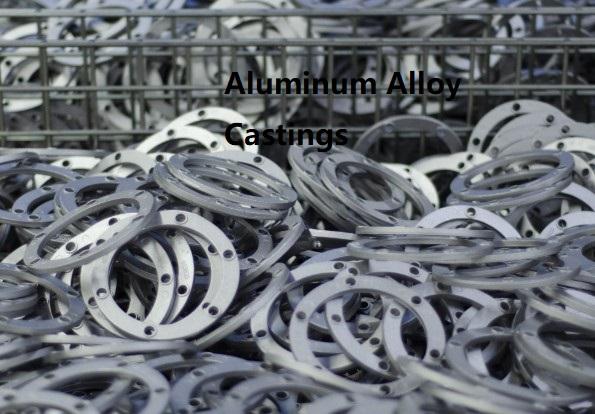
Producing metal components with detailed shapes requires careful coordination between pattern design, sand preparation, and casting conditions. A well-planned Coated Sand Casting Mold helps manufacturers create cavities suited to specific component geometries, while selecting the right Coated Sand Casting Mold can also support more predictable mould preparation and casting operations. For foundries working with machinery parts, valve components, and other industrial castings, understanding the relationship between mould quality and production requirements helps make each project easier to manage.
How Coated Sand Supports Casting Preparation
Coated sand is commonly prepared by applying a resin-based coating to sand grains, creating a moulding material with properties suited to particular casting processes. The coating helps bind the sand when heated, allowing the mould or core to maintain its intended shape during production. Its performance depends on factors such as sand characteristics, resin formulation, coating uniformity, and process conditions.
Manufacturers should consider the casting alloy and component geometry when selecting mould materials. Different projects may require different levels of surface detail, dimensional control, and thermal resistance. Discussing these requirements before production helps the foundry determine whether the proposed moulding approach fits the application.
Preparing for Complex Component Shapes
Industrial castings often include holes, internal passages, curved surfaces, or connecting features that are difficult to produce through simple mould arrangements. Mould and core design must account for these features while allowing molten metal to fill the cavity appropriately. Poorly planned geometry can increase the risk of incomplete filling, dimensional variation, or defects.
Technical drawings should clearly identify critical dimensions, machining allowances, and areas that require close inspection. It is also helpful to explain how the finished component will be assembled or used. This information allows casting specialists to evaluate the mould layout with the final application in mind rather than focusing only on the external shape.
Managing Temperature and Casting Conditions
The interaction between molten metal and the mould influences the final casting result. Pouring temperature, filling speed, mould strength, and cooling behavior all contribute to the process. If these conditions are not properly coordinated, the casting may develop surface irregularities, shrinkage-related problems, or other defects that require additional investigation.
Consistent preparation is therefore important. Foundries should follow suitable procedures for sand handling, coating control, mould storage, and assembly. Process records can help teams compare production batches and identify changes that may explain differences in casting quality. When adjustments are necessary, reviewing several process factors together is often more useful than changing one variable without considering the others.
Quality Checks Beyond the Mould Surface
A mould may appear acceptable before pouring, but the finished casting still needs to meet the project's requirements. Inspection can include visual examination, dimensional measurement, and additional testing where the component's function or specifications demand it. Critical areas should receive particular attention if they affect assembly, pressure resistance, or mechanical performance.
It is also useful to track recurring defects by component type and production batch. Clear records help engineers distinguish between mould-related issues, material concerns, and variations in casting conditions. This approach supports practical process improvement and gives purchasing teams more meaningful information when reviewing supplier performance.
Working with China HZJX on Casting Projects
Selecting a casting partner involves more than comparing prices. Buyers should discuss material grades, component drawings, expected quantities, machining requirements, inspection standards, and delivery arrangements. Clear communication helps establish realistic expectations before production begins and makes technical questions easier to resolve.
China HZJX works with industrial casting and mechanical component requirements, giving buyers a starting point for discussing project specifications and manufacturing needs. Whether a component includes intricate geometry or requires coordination between casting and later machining, a well-defined brief helps keep the process organized. To learn more about available products and services, visit https://www.chinahzjx.com/ .
 French
 English
 Arabic
 Spanish
 Portuguese
 Deutsch
 Turkish
 Dutch
 Italiano
 Russian
 Romaian
 Portuguese (Brazil)
 Greek