


Is Root Canal Treatment Needed for a Cracked Tooth?
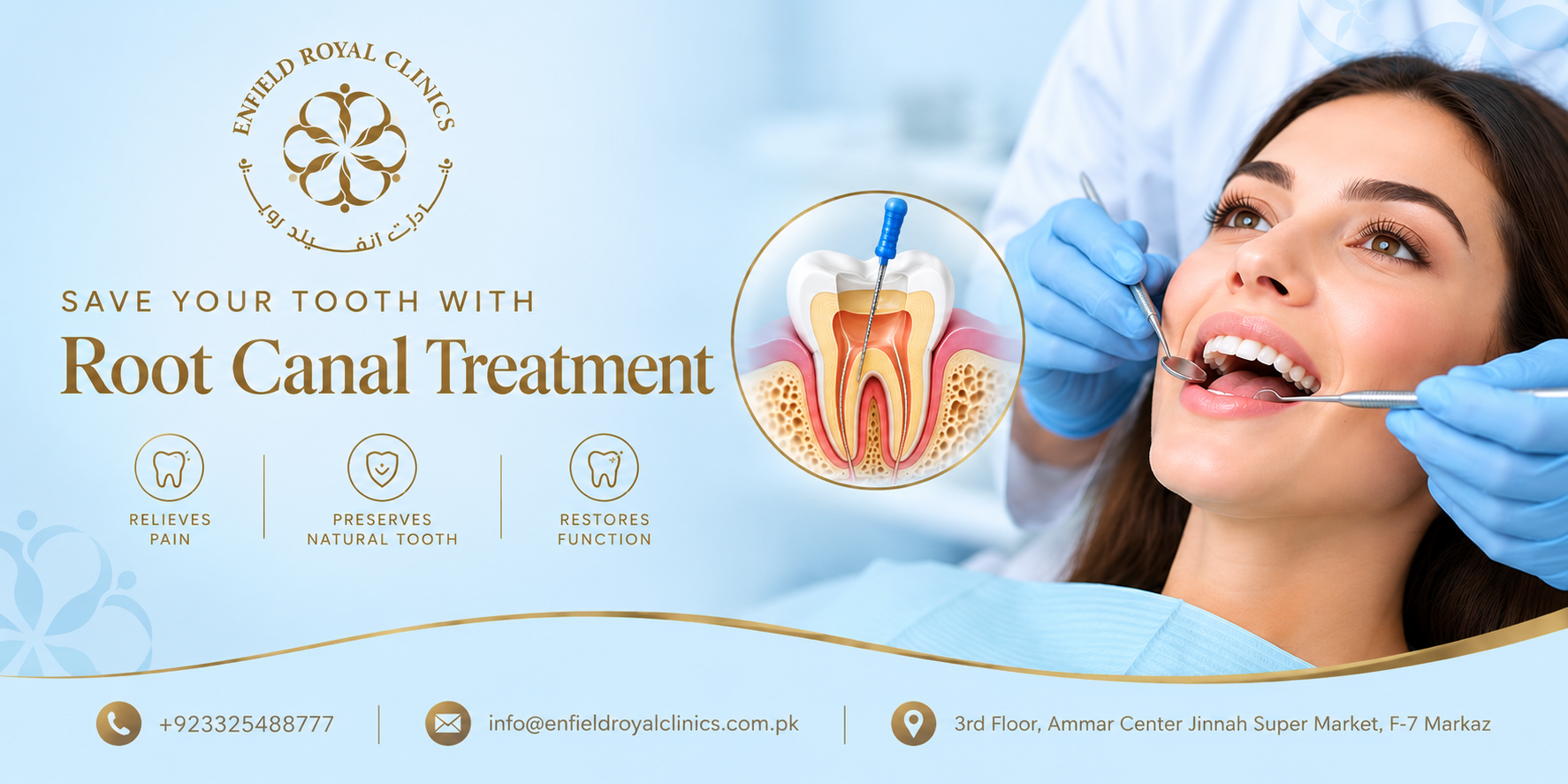
A cracked tooth can cause discomfort while chewing, sensitivity to hot and cold foods, or occasional sharp pain. The severity of these symptoms often depends on the location and depth of the crack. While minor cracks may only require protective dental treatment, deeper cracks can affect the inner pulp of the tooth and make more advanced care necessary.
Root Canal Treatment in Islamabad can help preserve a cracked tooth when the damage reaches the pulp but the tooth remains suitable for restoration. However, not every cracked tooth requires a root canal. A dental examination helps determine the extent of the damage and the most appropriate treatment.
What Happens When a Tooth Develops a Crack?
A tooth can crack for several reasons, including biting hard foods, teeth grinding, accidental injuries, or weakened tooth structure caused by extensive decay or large fillings. Some cracks are small and affect only the outer enamel, while others extend into the deeper layers of the tooth.
The tooth contains several layers. Enamel protects the outside, dentin lies beneath it, and the pulp contains nerves and blood vessels. When a crack extends into the dentin, it may cause sensitivity or pain during chewing. If the crack reaches the pulp, bacteria can enter the inner tissue and cause inflammation or infection.
Common signs of a cracked tooth include:
-
Sharp pain when biting down or releasing pressure.
-
Sensitivity to hot, cold, or sweet foods.
-
Discomfort that comes and goes without an obvious reason.
-
Swelling or tenderness around the affected tooth.
-
Pain while chewing on one side of the mouth.
Some cracked teeth produce very few symptoms, especially during the early stages. Therefore, the absence of severe pain does not always mean the tooth is healthy.
When Is Root Canal Treatment Needed for a Cracked Tooth?
Root canal treatment may be necessary when a crack allows bacteria to reach the pulp or causes irreversible inflammation inside the tooth. The procedure removes the affected pulp tissue, cleans the internal canals, and seals them to help prevent further infection.
A dentist may recommend this treatment when a cracked tooth shows signs such as persistent pain, prolonged sensitivity to temperature, pulp damage, or an infection near the root.
The decision depends on the depth and direction of the crack, the condition of the surrounding tissues, and whether the remaining tooth structure can support a restoration.
For example, a crack limited to the enamel may need no more than monitoring or minor repair. A crack extending into the dentin might require a filling or crown, depending on its size and position. When the crack reaches the pulp but does not extend too far below the gum line, root canal treatment followed by a suitable crown may help preserve the natural tooth.
However, a tooth with a severe vertical fracture extending into the root may not be repairable. In such cases, extraction may be necessary.
Can a Cracked Tooth Heal Without a Root Canal?
A cracked tooth cannot naturally grow back together once its structure has separated. Nevertheless, some cracks can be managed without root canal treatment if the pulp remains healthy and the damage is limited.
The appropriate treatment depends on the type of crack and the amount of healthy tooth structure remaining.
Minor enamel cracks: Fine lines affecting only the outer enamel may not require extensive treatment. A dentist may recommend observation, polishing, or cosmetic treatment if the crack affects appearance.
Cracks affecting the dentin: A tooth with a deeper crack may need a filling, bonding, or a dental crown to protect the weakened structure. A crown can help hold the tooth together and reduce the risk of further damage.
Cracks reaching the pulp: If the pulp becomes irreversibly inflamed or infected, root canal treatment may be required to retain the tooth.
Severe fractures: A crack that divides the tooth or extends deeply into the root may make the tooth impossible to restore. Extraction may be the safest option.
Early assessment can make a significant difference because a crack may spread when the tooth continues to experience pressure during chewing. Prompt care may help prevent a manageable problem from becoming more complicated.
How Does Root Canal Treatment in Islamabad Help Preserve a Cracked Tooth?
Root Canal Treatment in Islamabad may be considered when the pulp of a cracked tooth becomes damaged but the tooth can still be restored. The primary goal is to remove the diseased tissue, control infection, and retain the natural tooth whenever possible.
The treatment generally involves several steps.
Dental examination: The dentist reviews the symptoms, examines the tooth, and may use dental X-rays or other diagnostic methods. Some cracks are difficult to see on X-rays, so the diagnosis may also involve checking the bite, examining the tooth under magnification, and assessing the surrounding gum tissue.
Removal of damaged pulp: If root canal treatment is necessary, the dentist creates an opening in the tooth and removes the affected pulp tissue.
Cleaning and sealing: The internal canals are cleaned, shaped, disinfected, and sealed with a suitable filling material to reduce the risk of reinfection.
Restoration of the tooth: A filling or dental crown is used to restore the tooth. A crown is often recommended for a cracked back tooth because chewing forces can place additional stress on the remaining structure.
A root canal treats the damaged pulp, but it does not repair the crack itself. The final restoration plays an important role in protecting the tooth against further splitting. The long-term outcome depends on the crack's location, the quality of the restoration, oral hygiene, and regular dental follow-up.
What Are the Risks of Delaying Treatment for a Cracked Tooth?
Delaying dental care can allow a crack to deepen or bacteria to enter the pulp. A tooth that initially causes mild sensitivity may later develop persistent pain, inflammation, or an abscess.
When infection develops around the root, symptoms may include gum swelling, tenderness, an unpleasant taste, or a small pimple-like swelling on the gum. In some cases, the infection may cause facial swelling or fever.
A deeper fracture can also reduce the likelihood that the tooth can be saved. If the crack extends below the gum line or divides the root, restorative treatment may no longer be possible.
Anyone experiencing pain when biting, repeated temperature sensitivity, or unexplained discomfort should arrange a dental assessment rather than waiting for symptoms to worsen. Facial swelling, fever, or difficulty swallowing requires urgent medical or dental attention. Difficulty breathing or swallowing is an emergency.
Until the tooth is assessed, avoiding hard, crunchy, or sticky foods can reduce pressure on the damaged area. Chewing on the opposite side may also help limit discomfort. These measures are temporary and do not replace professional treatment.
How Can a Cracked Tooth Be Prevented From Getting Worse?
Although not every crack can be prevented, certain habits can reduce the risk of additional damage and help protect teeth after treatment.
-
Avoid biting ice, hard candy, and other very hard objects.
-
Do not use teeth to open packaging or crack nuts.
-
Seek advice about a night guard if teeth grinding is causing repeated stress.
-
Wear a suitable mouthguard during contact sports.
-
Maintain daily brushing and flossing to reduce decay and protect the surrounding teeth.
-
Attend regular dental check-ups so potential problems can be identified early.
-
Follow the dentist's instructions after a root canal or crown placement.
A restored tooth still requires proper care. A crown can strengthen and protect the remaining tooth structure, but it cannot make the tooth completely immune to fractures. Regular monitoring helps identify problems before they become more serious.
Frequently Asked Questions
1. Does every cracked tooth need a root canal?
No. A root canal is usually needed when the crack damages the pulp or causes irreversible inflammation or infection. Minor cracks may be managed with monitoring, bonding, fillings, or a crown.
2. Can a cracked tooth be saved with root canal treatment?
Yes, some cracked teeth can be saved if the damage reaches the pulp but the tooth remains structurally restorable. A suitable crown may be needed afterward. Deep fractures extending into the root may make the tooth impossible to save.
3. Is root canal treatment painful for a cracked tooth?
The procedure is generally performed with local anaesthesia to reduce pain during treatment. Some tenderness may occur afterward, but it usually improves over time. Persistent or worsening pain should be assessed by a dentist.
4. How quickly should a cracked tooth be treated?
A cracked tooth should be examined as soon as possible, even if the discomfort is mild. Early treatment may help prevent the crack from spreading and reduce the risk of infection or tooth loss.
Conclusion
A cracked tooth does not always require root canal treatment, but the right decision depends on the depth of the crack and the condition of the pulp. When the inner tissue becomes infected or irreversibly damaged, Root Canal Treatment in Islamabad may help preserve the natural tooth if the remaining structure can be restored. Early diagnosis, appropriate treatment, and a protective restoration can reduce complications and support long-term oral health.
 Greek
 English
 Arabic
 French
 Spanish
 Portuguese
 Deutsch
 Turkish
 Dutch
 Italiano
 Russian
 Romaian
 Portuguese (Brazil)