


Why Dental Cleaning Prices May Vary Between Dental Practices
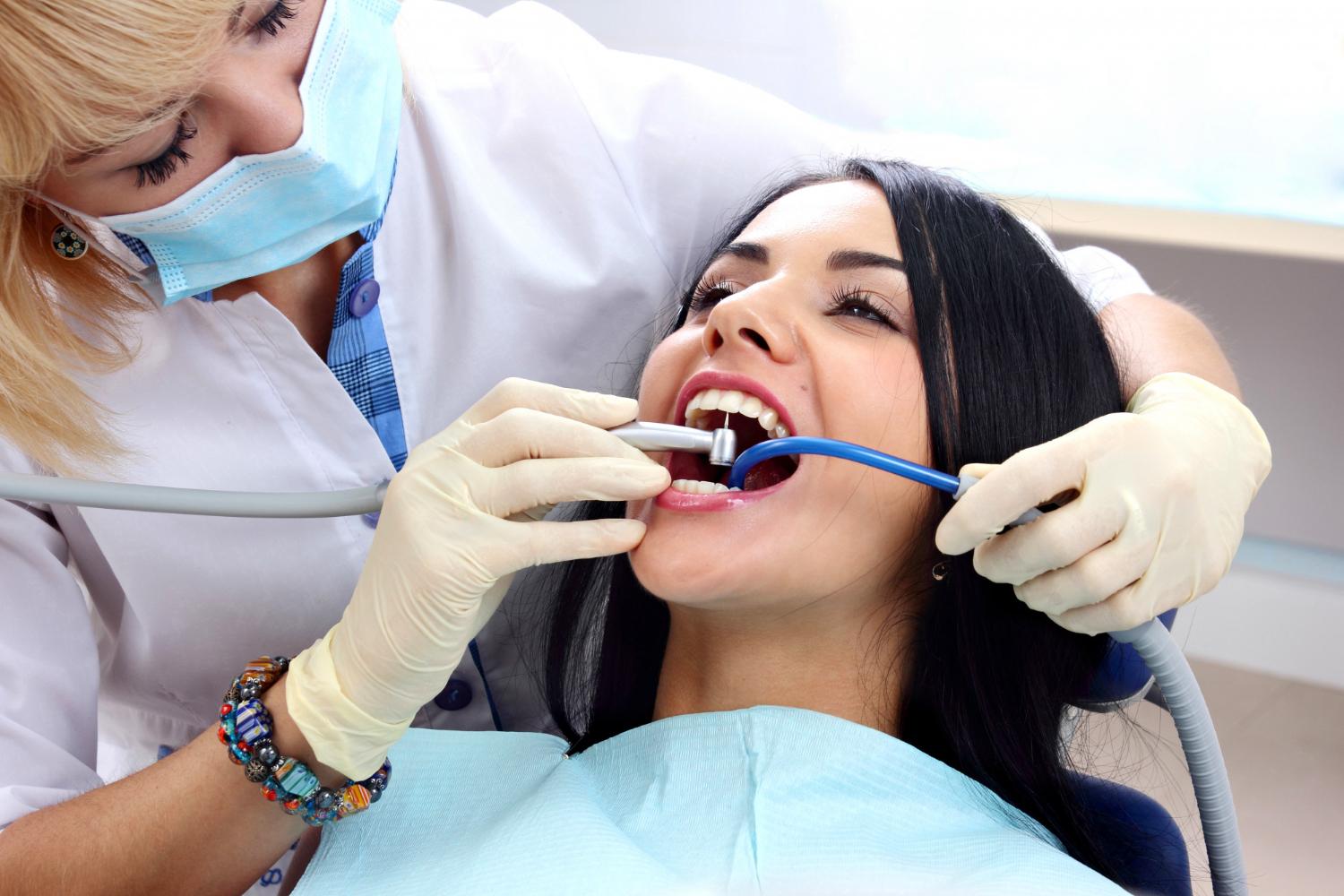
Regular dental cleanings play an important role in maintaining healthy teeth and gums. Professional cleaning removes plaque, hardened tartar, and certain surface stains that routine brushing and flossing may not eliminate effectively. However, patients may notice that dental cleaning prices differ from one dental practice to another, even when the services appear similar. These differences can result from the patient's oral health condition, the type of cleaning required, appointment duration, equipment, and the practice's operating expenses. Understanding these factors helps patients compare treatment estimates and make informed decisions about preventive dental care.
Understanding What Professional Dental Cleaning Includes
Routine Cleaning for Maintaining Oral Health
A routine dental cleaning generally focuses on removing plaque, tartar, and surface deposits from the teeth. A dental professional may also polish the teeth when appropriate and provide guidance about brushing, flossing, and other preventive habits. The exact services included depend on the patient's needs and the practice's treatment approach. Patients with healthy gums and limited tartar buildup may require a straightforward appointment, while others may need additional evaluation. Before scheduling, patients should ask what the quoted fee includes so they can understand the services provided and avoid comparing different treatment packages as though they were identical.
Dental Examinations and Additional Services
Some dental appointments combine a professional cleaning with an examination, diagnostic imaging, or other preventive services. These additional services may be billed separately or included in a package, depending on the dental office. An examination can help identify cavities, gum inflammation, worn restorations, and other concerns that may require attention. Dental X-rays may be recommended when clinically appropriate, but they are not automatically necessary at every cleaning appointment. Patients should ask whether their estimate includes an examination, imaging, polishing, and any other planned services. Understanding the breakdown makes it easier to compare the actual value of appointments across different practices.
Major Factors That Influence Dental Cleaning Prices
The Patient's Oral Health Condition
Every patient has different oral health needs, and those differences can affect the time and professional care required during a cleaning. Someone with healthy gums and minimal tartar may need less extensive work than a patient with substantial deposits, bleeding gums, or signs of periodontal disease. When gum disease is present, the dentist may recommend a more specialized treatment rather than a routine preventive cleaning. The appropriate procedure depends on clinical findings, not simply on a patient's preference for a particular price. A dental examination helps determine which service is necessary and whether additional periodontal care should be considered.
The Type of Cleaning Required
Not all professional dental cleanings serve the same purpose. Routine prophylaxis is intended primarily to maintain oral health in patients who are appropriate candidates for regular preventive cleaning. Scaling and root planing, sometimes called deep cleaning, is a different procedure used to treat certain forms of periodontal disease by removing deposits from below the gumline and cleaning affected root surfaces. Because these treatments can differ in complexity, appointment time, and clinical requirements, their prices may also vary substantially. Patients should confirm whether a quoted fee refers to routine cleaning or periodontal treatment before deciding which dental practice offers the most suitable option.
Appointment Length and Treatment Complexity
The amount of time needed for a dental cleaning can influence the final fee. Patients with minimal deposits may complete routine cleaning relatively quickly, while those with extensive tartar buildup may require additional time and careful attention. More complex periodontal treatment may involve multiple appointments, local anesthesia, or follow-up evaluations when clinically indicated. Dental professionals must adapt their approach to the patient's condition rather than follow an identical schedule for everyone. When comparing estimates, patients should ask how much treatment time is included and whether additional visits could create separate charges. This information provides a clearer understanding of the expected financial commitment.
Why Dental Practices May Charge Different Fees
Office Location and Operating Expenses
The location of a dental practice can affect its operating expenses and, consequently, the fees charged for services. Offices may face different costs for rent, utilities, employee wages, equipment maintenance, supplies, and administrative operations. Practices in areas with higher commercial property costs or labor expenses may need to account for those differences when setting prices. Even offices serving the same community can have different financial structures. These variations do not automatically indicate that one practice provides better or worse care than another. Patients should consider the complete service, professional standards, and transparency of the estimate rather than relying on location or price alone.
Dental Equipment and Safety Procedures
Dental practices use specialized instruments, equipment, and infection-control procedures to provide professional care. Maintaining and replacing equipment, sterilizing reusable instruments, and following appropriate safety protocols contribute to the cost of delivering dental services. Some offices may also invest in updated technology that supports examinations, patient records, or diagnostic procedures. These resources can influence operating expenses, although more technology does not necessarily mean every cleaning will be better or more appropriate. Patients can ask how the practice maintains instrument safety and what equipment is used during treatment. The goal is to understand the quality and scope of care included in the quoted fee.
Staff Training and Professional Experience
Dental cleanings may involve dentists, dental hygienists, or other qualified dental professionals working within their permitted roles. Their education, training, clinical judgment, and continuing professional development contribute to the delivery of care. Practices also need trained support staff to coordinate appointments, maintain records, and follow established safety procedures. These staffing requirements affect the overall cost of operating a dental office. However, a higher cleaning fee alone does not establish that a particular provider has greater expertise or delivers superior results. Patients should consider professional qualifications, communication, treatment recommendations, and the clarity of the estimate when evaluating different dental practices.
How Insurance Can Affect Dental Cleaning Costs
Understanding Preventive Dental Benefits
Dental insurance may reduce the amount a patient pays for eligible preventive services, but the actual benefit depends on the individual policy. Some plans cover routine cleanings at a specified frequency, while others apply limitations, deductibles, or cost-sharing requirements. Coverage for examinations, X-rays, periodontal treatment, and other services may differ from coverage for a routine cleaning. Patients should confirm their benefits directly with their insurer and ask the dental office to provide an estimate based on the applicable plan. Understanding the difference between a practice's standard fee and the patient's expected out-of-pocket cost helps prevent confusion when comparing prices.
In-Network and Out-of-Network Dental Practices
A dental office's participation in an insurance network can influence the amount a patient owes for covered services. In-network providers generally agree to specific contractual fee arrangements, while out-of-network services may be reimbursed differently under the patient's plan. The difference depends on the policy, provider agreement, and service performed. Patients should not assume that every cleaning will be completely covered simply because a practice accepts their insurance. They should verify network status, covered procedure codes, frequency restrictions, and any expected patient responsibility before the appointment. Reviewing these details in advance can make the final bill more predictable and help patients plan their dental care.
Comparing Dental Cleaning Estimates Effectively
Requesting an Itemized Price Estimate
An itemized estimate helps patients understand exactly what they are paying for during a dental appointment. It should identify the planned services and, where applicable, list separate charges for examinations, diagnostic imaging, routine cleaning, or additional periodontal treatment. Patients can then compare estimates from different practices on a like-for-like basis. A lower advertised price may cover only one service, while another quote may include several components. Asking questions before treatment begins can clarify these differences and reduce unexpected charges. Patients should also confirm whether the estimate is preliminary and whether any additional treatment would require separate approval.
Looking Beyond the Lowest Advertised Price
Choosing a dental practice based only on the lowest price may not provide the best overall value. Patients should consider whether the recommended service matches their oral health needs, whether fees are explained clearly, and whether the practice follows appropriate hygiene and safety procedures. A substantially lower price may reflect a limited service package rather than the same treatment offered elsewhere. Conversely, a higher fee does not automatically guarantee superior care. Comparing the scope of treatment, professional qualifications, appointment arrangements, and expected follow-up helps patients make a more balanced decision. Transparent communication is an important part of choosing preventive dental care confidently.
Asking Questions Before Booking
Before scheduling a cleaning, patients can ask a few straightforward questions to clarify the expected cost. They should confirm whether the fee includes an examination, whether X-rays may be charged separately, and whether the quoted service is routine cleaning or periodontal treatment. Patients using insurance should also ask whether the practice has verified their benefits and estimated their out-of-pocket responsibility. If the dentist identifies a need for additional treatment, patients can request an explanation and written estimate before proceeding, except when urgent circumstances require immediate care. These conversations encourage informed decisions and make it easier to plan for both routine and unexpected dental expenses.
The Importance of Regular Preventive Dental Care
Preventing Problems Through Routine Visits
Routine dental visits help professionals monitor oral health and identify potential problems before they become more complicated. Depending on individual risk factors, patients may be advised to schedule cleanings at regular intervals or more frequently when necessary. Professional cleaning works alongside daily brushing, flossing, and other recommended oral hygiene habits. Although preventive visits involve an expense, delaying appropriate care can allow certain dental problems to progress and require more extensive treatment. The recommended schedule should be based on the patient's condition rather than a fixed interval applied to everyone. Consistent preventive care supports healthier gums and helps patients maintain their natural teeth.
Understanding When Additional Dental Treatment Is Needed
During a cleaning or examination, a dental professional may identify concerns that require care beyond routine prevention. These could include cavities, gum disease, damaged teeth, or existing restorations that need assessment. Depending on the findings, the dentist may recommend treatment through services such as restorative dentistry. Such procedures are separate from a standard cleaning and may involve additional fees. Patients should ask why a treatment is recommended, what alternatives are available, and how much it is expected to cost. Understanding the distinction between preventive services and necessary treatment helps patients plan their oral healthcare budget more effectively.
Conclusion
Dental cleaning prices may vary between dental practices because of differences in oral health needs, treatment complexity, appointment duration, staffing, equipment, operating expenses, and insurance arrangements. Patients can make better comparisons by confirming which services are included, requesting itemized estimates, and understanding whether routine cleaning or periodontal treatment is recommended. The lowest price is not always the most useful measure of value, and a higher fee does not automatically guarantee better care. Choosing a practice that explains its recommendations and costs clearly helps patients plan confidently. SMILAND DENTAL in Pembroke Pines can help patients understand their preventive dental care options and discuss the services appropriate for their individual oral health needs.

 English
 Arabic
 French
 Spanish
 Portuguese
 Deutsch
 Dutch
 Italiano
 Russian
 Romaian
 Portuguese (Brazil)
 Greek