


Restoring Missing Teeth and Bite Function Using tooth bridges
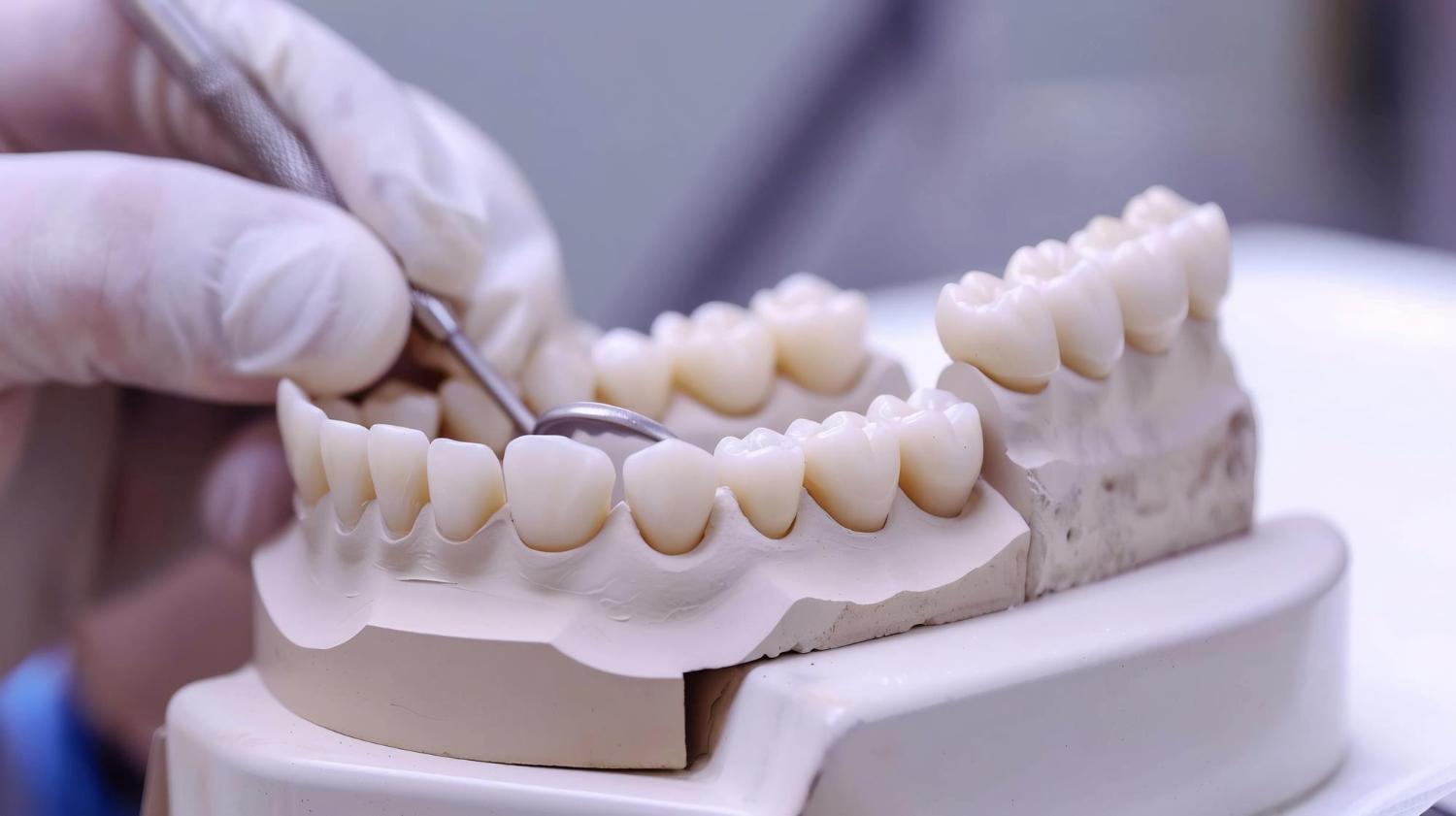
A complete smile supports comfortable eating, clear speech, and everyday confidence, yet missing teeth can gradually affect these important functions. When a tooth is lost, nearby teeth may shift into the empty space, changing the way the bite fits together. Understanding how tooth bridges can replace missing teeth helps patients explore practical restorative options and protect their remaining natural teeth. These dental restorations are designed to fill gaps with artificial teeth supported by neighboring teeth or dental implants, helping restore a more balanced and functional smile.
Understanding the Purpose of Dental Bridges
Dental bridges are restorative appliances used to replace one or more missing teeth in a row. They contain artificial teeth that occupy the empty space and connect to supporting structures on either side or to dental implants, depending on the selected design. By closing the gap, a bridge can help improve chewing ability, speech, and smile appearance. The appropriate type depends on the number of missing teeth, the condition of surrounding teeth, gum health, and the overall structure of the mouth. A professional examination helps determine whether this option is suitable.
Recognizing Changes Caused by Missing Teeth
Losing a tooth can affect more than the appearance of a smile. Nearby teeth may gradually drift toward the empty space, potentially creating alignment problems and making cleaning more difficult. Changes in tooth positioning can also affect how the upper and lower teeth meet during chewing. Some individuals may experience discomfort when eating certain foods or feel less confident when speaking and smiling. Replacing a missing tooth can help maintain spacing and support oral function. Early evaluation allows dental professionals to identify potential concerns and discuss appropriate restorative solutions.
Exploring Different Types of Tooth Bridges
Several bridge designs are available to address different dental needs. A traditional bridge generally uses crowns placed over supporting teeth on both sides of a gap. A cantilever bridge may be supported by a tooth on only one side, while a Maryland bridge uses a framework attached to the backs of neighboring teeth. Implant supported bridges rely on dental implants rather than natural teeth for support. Each design has specific advantages and limitations. The choice depends on the location of the missing tooth, the strength of nearby teeth, bite pressure, and individual treatment goals.
Determining Whether a Bridge Is Suitable
Not every patient with a missing tooth is automatically a candidate for a dental bridge. The health and stability of surrounding teeth play an important role, particularly when those teeth must support the restoration. Healthy gums and adequate oral hygiene also contribute to successful treatment. Dental professionals may review medical and dental history, examine the bite, and take diagnostic images to assess the underlying structures. If supporting teeth are weakened or gum disease is present, additional treatment may be recommended before bridge placement. Careful planning helps reduce complications and improves the likelihood of a stable result.
Preparing Supporting Teeth for Treatment
Traditional bridge placement often involves reshaping the teeth that will support the restoration. This creates space for crowns that hold the artificial tooth securely in place. Before preparation begins, the dental professional evaluates the supporting teeth and explains the planned procedure. Local anesthesia may be used to improve comfort during treatment. Impressions or digital scans are then collected to create a bridge that fits the patient's mouth. A temporary restoration may be placed while the permanent bridge is being made. Proper preparation is important because the bridge must fit comfortably and work naturally with the surrounding teeth.
Understanding the Bridge Placement Process
The process of receiving a dental bridge usually involves several coordinated steps. After the supporting teeth are prepared and records are collected, a dental laboratory creates the restoration according to the planned design. During a later appointment, the temporary bridge is removed if one was used, and the permanent restoration is checked for fit, appearance, and bite alignment. Adjustments may be made before the bridge is secured. Patients are given instructions for caring for the restoration and maintaining gum health. Follow up visits allow the dental team to monitor comfort, function, and the condition of supporting teeth.
Comparing Bridges With Dental Implants
Dental bridges and dental implants can both replace missing teeth, but they work differently. A traditional bridge relies on supporting teeth or a suitable structure, while an implant is placed in the jawbone to support a crown or bridge. Bridges may be considered when adjacent teeth already need crowns or when implant treatment is not appropriate. Implants may preserve the independence of neighboring teeth, although they require sufficient bone support and a suitable healing process. Neither option is ideal for every patient. Comparing oral health, treatment preferences, medical factors, and long term maintenance needs helps guide an informed decision.
Choosing Materials for a Natural Appearance
Dental bridges can be made from different materials, including porcelain, ceramic, metal alloys, or combinations designed to balance strength and appearance. Tooth colored materials are often selected for visible areas because they can closely resemble natural enamel. Stronger materials may be preferred in areas that experience greater chewing pressure. The best option depends on the position of the missing tooth, bite forces, cosmetic expectations, and the condition of surrounding teeth. A dental professional can explain how each material performs and what maintenance it requires. Careful material selection helps create a restoration that looks natural and functions reliably.
Improving Chewing and Speaking Comfort
Missing teeth can make it difficult to chew certain foods evenly or pronounce some sounds comfortably. A well fitted bridge can help restore the continuity of the dental arch, allowing the mouth to function more naturally. After placement, patients may need a short adjustment period while becoming familiar with the restoration. Starting with manageable foods and chewing carefully can make the transition easier. Speech may also feel slightly different at first, but many people adapt as they become accustomed to the bridge. Persistent discomfort, movement, or bite changes should be evaluated rather than ignored.
Supporting Facial Balance and Smile Appearance
Teeth help support the shape of the lips and cheeks, while missing teeth can sometimes change the appearance of a smile. Replacing a gap may improve the overall balance of visible teeth and help create a more complete appearance. Modern restorative materials allow dental professionals to consider tooth color, shape, proportions, and alignment when planning a bridge. The goal is to create a restoration that complements the surrounding teeth rather than appearing noticeably different. Cosmetic expectations should be discussed before treatment, especially when the missing tooth is near the front of the mouth. A careful design can support both appearance and practical function.
Maintaining Healthy Gums Around a Bridge
Healthy gums are essential for the long term success of a dental bridge. Plaque can collect around supporting crowns and beneath the artificial tooth, increasing the risk of inflammation if cleaning is inadequate. Patients should brush carefully along the gumline and clean the spaces beneath the bridge using suitable flossing tools or interdental aids. A dental professional can demonstrate techniques for reaching areas that ordinary brushing may miss. Routine examinations and professional cleanings help identify early signs of gum irritation or decay. Consistent home care is particularly important because problems around supporting teeth may develop without obvious symptoms.
Protecting the Teeth Supporting a Bridge
The teeth supporting a traditional bridge carry additional responsibility, making their health especially important. Decay, gum disease, cracks, or excessive bite pressure can weaken these teeth and affect the stability of the restoration. Daily brushing with fluoride toothpaste, cleaning between teeth, and attending regular dental appointments can help protect the supporting structures. Patients should also report sensitivity, persistent soreness, or changes in how the bridge feels. Avoiding habits such as chewing hard objects can reduce unnecessary stress. With appropriate maintenance, supporting teeth may remain healthy, helping the restoration continue to function as intended.
Adapting Daily Eating Habits After Placement
Most patients can gradually return to a varied diet after adjusting to a new bridge, although individual instructions may differ according to the restoration and treatment stage. Softer foods can be helpful during the initial adjustment period, especially if the mouth feels unfamiliar. Cutting food into smaller pieces and chewing evenly may improve comfort. Very hard or sticky foods can place unnecessary strain on some restorations, so dental guidance should be followed regarding dietary limitations. A bridge should not cause ongoing pain during normal eating. If chewing remains difficult or the bite feels uneven, a professional assessment may be necessary.
Recognizing Possible Bridge Problems
Although dental bridges are designed for everyday use, occasional problems can occur. A restoration may feel loose, cause irritation, trap food, or create discomfort when biting. Supporting teeth may also develop decay or gum inflammation if plaque accumulates around the restoration. Changes in fit should be addressed promptly because continued movement can damage supporting structures. Patients should avoid trying to repair or permanently reattach a bridge themselves. A dental professional can identify the cause and determine whether adjustment, repair, or replacement is needed. Regular monitoring can help detect small concerns before they become more complicated.
Understanding the Importance of Bite Alignment
Proper bite alignment helps distribute chewing forces across the teeth and restorations. If a bridge is too high or does not meet opposing teeth correctly, it may create discomfort or excessive pressure during eating. These issues can affect the restoration as well as the supporting teeth and jaw muscles. During placement, the dental professional checks how the bridge fits into the bite and makes adjustments when necessary. Patients should mention any sensation that the restoration touches first or makes chewing feel uneven. Addressing these concerns early can improve comfort and help protect the bridge from unnecessary stress.
Considering Long Term Durability
The lifespan of a dental bridge varies according to the material, design, bite forces, oral hygiene, and condition of the supporting structures. No restoration lasts indefinitely, but consistent care can help extend its useful life. Brushing twice daily, cleaning beneath the artificial tooth, avoiding harmful habits, and attending recommended dental checkups are important preventive steps. Patients should also follow advice about night guards if teeth grinding places excess pressure on the restoration. Regular professional assessments help determine whether the bridge remains stable and whether surrounding teeth and gums are healthy. Timely attention to changes may prevent more extensive restorative needs.
Maintaining Regular Dental Checkups
Routine dental visits allow the condition of a bridge to be reviewed alongside the health of the rest of the mouth. During these appointments, the dental team may assess the restoration's fit, examine the supporting teeth, check the gums, and look for signs of wear or decay. Professional cleaning can remove plaque and tartar from areas that are difficult to reach at home. The recommended appointment schedule depends on each patient's oral health and restorative needs. Even when a bridge feels comfortable, regular examinations remain valuable because some dental problems can develop gradually without causing noticeable symptoms.
Exploring Options When Several Teeth Are Missing
When multiple teeth are missing, the most suitable restoration depends on the location and size of the gaps, the condition of the remaining teeth, and the available bone support. A longer bridge may replace several adjacent teeth, while implant supported options may provide additional stability in selected cases. In other situations, a removable partial denture may be considered. Each approach involves different care requirements, treatment stages, and limitations. A comprehensive examination helps determine which options can meet functional and cosmetic goals. Patients benefit from discussing the advantages, potential risks, and maintenance needs of each suitable treatment before making a decision.
Making an Informed Restorative Dental Decision
Choosing a dental restoration involves understanding both immediate treatment needs and long term oral health goals. Patients should ask how the proposed bridge will be supported, how surrounding teeth may be affected, what materials are available, and how the restoration should be cleaned. It is also helpful to discuss expected appointments, possible complications, and alternative treatments. Clear communication allows patients to understand the purpose of each step and make decisions that suit their circumstances. The most appropriate treatment is one that balances function, appearance, oral health, and practical maintenance rather than focusing on appearance alone.
Conclusion
Replacing missing teeth can help restore chewing function, support clearer speech, and maintain a balanced smile. Dental bridges offer one possible solution, but their success depends on careful planning, suitable supporting structures, accurate placement, and consistent oral hygiene. Patients should understand the available designs and discuss their individual needs with a qualified dental professional before selecting treatment. Regular checkups and attentive home care help protect both the restoration and the surrounding teeth. Puri Dentistry supports informed dental decisions by helping patients understand restorative options and the importance of maintaining long term oral health.
Click here to give your teeth the professional care they need in Oxnard.
 Italiano
 English
 Arabic
 French
 Spanish
 Portuguese
 Deutsch
 Turkish
 Dutch
 Russian
 Romaian
 Portuguese (Brazil)
 Greek