


Beauty Therapist Courses for Developing Practical Skills and Client Care
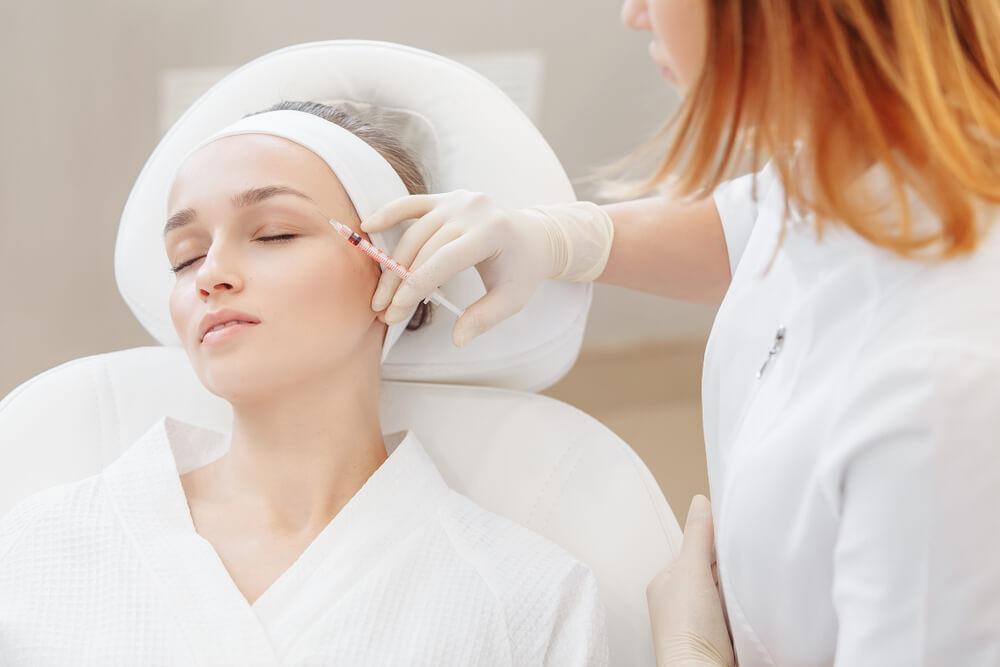
The beauty industry offers a range of opportunities for individuals interested in skincare, personal care, and professional treatment services. Building a successful career requires more than an interest in beauty because therapists must understand treatment techniques, hygiene standards, customer communication, and client wellbeing. For aspiring professionals, beauty therapist courses can provide a structured way to develop essential knowledge and practical abilities. By learning the foundations of beauty therapy and understanding professional expectations, students can prepare for further training, explore suitable career pathways, and develop the confidence needed to work towards their long term goals.
Understanding Beauty Therapy Education
Beauty therapy education introduces learners to the principles and procedures involved in delivering professional beauty services. Depending on the course level and syllabus, training may cover skincare, facial treatments, consultation, product knowledge, hygiene, and other salon based practices. Some programmes focus on introductory skills, while others provide more advanced learning for individuals with previous experience or relevant qualifications.
Understanding the course structure helps learners choose a programme that matches their current abilities and career objectives. They should review the learning outcomes, entry requirements, assessment methods, and practical components before enrolling. A suitable training programme can establish a strong foundation for professional development while helping learners recognise the responsibilities associated with delivering treatments safely and appropriately.
Developing Essential Practical Skills
Practical skills are central to professional beauty therapy because clients expect treatments to be delivered carefully, consistently, and according to suitable procedures. Training may provide opportunities to learn techniques through demonstrations, guided practice, and structured assessments. Depending on the programme, learners may develop skills related to facial care, skincare routines, treatment preparation, and other services included in the course syllabus.
Regular practice helps students improve coordination, attention to detail, and familiarity with professional equipment. It also allows them to understand the importance of following each stage of a treatment correctly. Feedback from qualified educators can highlight areas for improvement and reinforce good working habits. Developing practical competence takes time, and learners should only perform treatments when appropriately trained and authorised.
Building Strong Client Consultation Skills
Client consultation helps beauty therapists understand individual needs before recommending or delivering a treatment. During training, learners can develop the ability to ask relevant questions, listen carefully, discuss expectations, and explain suitable options. These conversations provide an opportunity to identify preferences, understand previous experiences, and establish whether a proposed service is appropriate.
A responsible consultation also involves recognising contraindications and following procedures when a treatment may not be suitable. Therapists should explain limitations honestly and avoid making unsupported promises about results. Maintaining accurate records where required can support professional practice and continuity of service. Strong consultation skills help create clear communication between the therapist and client while encouraging informed decisions and a more personalised treatment experience.
Understanding Skin Types and Skincare Needs
Knowledge of skin types and common skincare concerns helps beauty therapists make more informed treatment decisions. Learners may study differences between dry, oily, combination, and sensitive skin, together with factors that can influence skin appearance and comfort. This knowledge provides a foundation for understanding why products and treatments should be selected according to individual circumstances rather than applied identically to every client.
Training may also introduce basic skin analysis and the importance of recognising when a concern falls outside the therapist's professional scope. Beauty therapists should not diagnose medical skin conditions or suggest that cosmetic treatments replace medical care. When a client has an unexplained or concerning skin issue, appropriate professional advice may be necessary. This responsible approach supports client wellbeing and encourages realistic treatment planning.
Learning Hygiene and Infection Control
Hygiene is a fundamental requirement in every professional beauty environment. Therapists must understand how to maintain clean workspaces, prepare treatment areas, handle equipment safely, and follow appropriate infection prevention procedures. Training helps learners recognise the importance of hand hygiene, suitable protective equipment, correct product handling, and cleaning reusable tools according to relevant instructions.
Effective infection control protects clients and practitioners while supporting a professional service environment. Learners should also understand how to dispose of waste correctly and respond to accidental contamination. Hygiene procedures must be followed consistently rather than treated as occasional tasks. Developing these habits during training helps students prepare for salon expectations and reinforces the connection between professional standards and client safety.
Improving Product Knowledge
Beauty therapists often work with a variety of skincare products, cleansers, moisturisers, masks, and other treatment materials. Understanding how these products are intended to be used helps learners select suitable options and explain their purpose to clients. Training may introduce ingredients, application methods, product storage, and precautions that should be considered before a service begins.
Product recommendations should reflect the client's needs, the product instructions, and the therapist's knowledge and competence. Learners must avoid making exaggerated claims about effectiveness or guaranteeing particular outcomes. They should also recognise that individual responses can differ and that some products may not suit every person. Developing sound product knowledge supports informed recommendations and helps therapists deliver a more considered approach to skincare and beauty treatments.
Strengthening Communication and Customer Care
Client care is an important part of creating a positive professional experience. Beauty therapists need to communicate clearly, listen attentively, explain procedures, and respond respectfully to questions. Training can help learners develop a professional manner that encourages clients to share their preferences and raise concerns before or during a treatment.
Good customer care also involves punctuality, privacy, appropriate boundaries, and sensitivity towards individual needs. Therapists should explain what a treatment involves and make sure the client understands relevant aftercare guidance. When a client is uncomfortable or wishes to stop, their concerns must be taken seriously. These communication habits help build trust and demonstrate that professional beauty therapy involves both technical ability and responsible interpersonal care.
Exploring Different Beauty Treatment Areas
Beauty therapy includes a variety of service areas, and course content differs according to the programme selected. Some introductory courses focus on essential skincare and basic treatment techniques, while more comprehensive qualifications may include additional facial, body, or specialist beauty services. Reviewing the syllabus helps learners understand exactly which skills they will study and practise.
Exploring different treatment areas can also help learners identify their interests. Someone who enjoys skincare may wish to develop further knowledge of facial treatments, while another learner may prefer a broader salon based role. Specialist procedures often have separate training and competence requirements, so students should not assume that a general beauty qualification automatically prepares them for every treatment. Choosing relevant additional education can support a more focused career pathway.
Developing Professional Confidence
Confidence develops gradually as learners become familiar with procedures, understand the reasons behind them, and receive constructive feedback. Beginning a new course may feel challenging because students must absorb technical information while learning to communicate with clients and maintain professional standards. A structured learning environment can help break complex tasks into manageable stages.
Practical assessments and supervised exercises can reveal strengths and areas that need more attention. Learners benefit from reviewing instructions, asking questions, and practising appropriate techniques until they understand the expected standards. Confidence should always be supported by genuine competence. Recognising personal limitations and seeking guidance when necessary are important professional qualities that contribute to responsible practice and ongoing improvement.
Understanding Assessment and Qualification Options
Beauty training programmes use different assessment methods depending on their level, structure, and awarding arrangements. Assessment may include practical demonstrations, written work, knowledge questions, observed treatments, or portfolio evidence. Learners should understand these requirements before enrolling so they can prepare for the workload and know how their progress will be evaluated.
It is also important to distinguish between a recognised qualification and a certificate that confirms attendance or completion of a short course. These credentials may have different purposes and may not be accepted equally by employers. Prospective students should check the awarding organisation, course recognition, entry requirements, and progression opportunities. This research helps learners choose training that suits their goals and supports realistic expectations about future employment.
Preparing for Salon and Spa Environments
Professional salons and spas require therapists to balance treatment quality with organisation, hygiene, and customer service. Training can help learners understand how to prepare treatment rooms, arrange equipment, manage appointments, and maintain a clean and welcoming environment. These responsibilities contribute to efficient daily operations and help clients feel comfortable when receiving services.
Learners should also become familiar with professional conduct, workplace communication, and the importance of following established policies. Working effectively with colleagues requires reliability, respect, and a willingness to learn. Practical knowledge of salon routines can help students understand the wider responsibilities of a beauty therapist beyond performing individual treatments. This preparation may be useful when applying for suitable entry level roles or seeking further workplace experience.
Exploring Career Opportunities in Beauty Therapy
Beauty therapy can lead to opportunities in salons, spas, hotels, wellness facilities, and other settings offering suitable beauty services. Available positions depend on the learner's qualifications, practical experience, and the requirements of individual employers. Some roles may require additional training or demonstrated competence before a therapist can provide specific treatments independently.
Other learners may eventually consider self employment or starting a small beauty business. This pathway can involve additional responsibilities, including budgeting, marketing, appointment management, stock control, and customer communication. Completing a course does not guarantee employment or business success, but relevant training can help learners understand the skills they need to develop. Researching local opportunities and identifying suitable progression options can make career planning more effective.
Choosing the Right Training Provider
Selecting a training provider requires careful consideration of course content, teaching methods, practical facilities, and learner support. Prospective students should review the syllabus and confirm whether the programme matches their experience and professional objectives. They should also ask about class sizes, assessment procedures, equipment availability, and the qualifications or experience of the educators.
Course duration, fees, entry criteria, and opportunities for further study may also influence the decision. Learners should confirm what certificate or qualification is awarded and whether it meets their intended employment requirements. Comparing these details helps them make an informed choice rather than relying solely on promotional claims. A suitable provider should clearly explain what the course covers and what additional learning may be necessary for particular career pathways.
The Importance of Continuing Professional Development
The beauty industry continues to evolve as products, equipment, and treatment approaches change. Continuing professional development allows therapists to update their knowledge, refine established techniques, and explore suitable opportunities for further learning. Additional study may focus on advanced skincare, specialist facial treatments, customer service, business management, or other areas relevant to professional goals.
Further training should always be selected according to the learner's existing qualifications and the requirements of the intended service. Some specialist procedures require separate qualifications, appropriate supervision, insurance, or other conditions. Understanding these requirements helps therapists avoid working beyond their competence. A commitment to ongoing education can support professional growth while reinforcing the importance of safe, informed, and responsible treatment delivery.
Conclusion
Beauty therapy education can help aspiring professionals develop practical skills, improve client communication, understand hygiene standards, and prepare for the expectations of the beauty industry. By selecting an appropriate course and taking practical learning seriously, students can establish a foundation for further training and explore suitable employment or business opportunities. Continued development, responsible treatment planning, and a strong commitment to client care remain essential throughout a beauty therapy career. Este Training Academy can be explored by individuals researching beauty training options and seeking a suitable pathway towards building their knowledge and professional skills.
 Dutch
 English
 Arabic
 French
 Spanish
 Portuguese
 Deutsch
 Turkish
 Italiano
 Russian
 Romaian
 Portuguese (Brazil)
 Greek