


Samudrika Shastra: The Ancient Science Behind Palm Reading
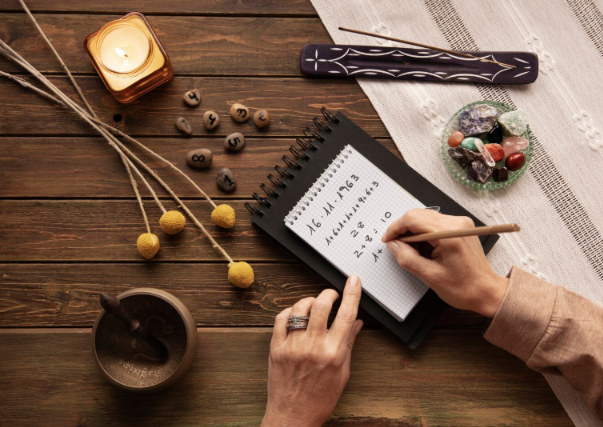
Palm reading is often treated as a party trick. But in India it has a long, serious history. Known as Samudrika Shastra, it's the traditional study of the body's features, and the hand sits at its centre.
Where it comes from
Samudrika Shastra is the Indian tradition of body analysis. The name is often linked to the sage Samudra, and texts on the subject go back many centuries. It looks at features like the hands, feet, face and body marks to understand character and life patterns. Over time, the part focused on the hand became known as Hasta, the Sanskrit word for hand.
What a hand reader looks at
- Lines: heart, head, life and fate lines, along with minor ones
- Mounts: the raised pads at the base of each finger and the thumb
- Fingers: length, shape and spacing
- Palm shape: size, texture and proportions
- Markings: small signs like stars, crosses and islands
A skilled reader doesn't judge one feature alone. They read the whole hand together, because a single line can mean different things depending on what's around it.
Left hand, right hand
Many traditions treat the two hands differently. One is often read as what you're born with, and the other as how you've developed through life. Comparing them can show how much you've changed, which is one reason some people re-check their hands every few months.
How AI changes hand reading
Traditionally, hand reading depended on one person's eye and experience. AI can analyse a clear photo consistently, noting depth, length and patterns, and then explain the traditional meaning in plain language. It doesn't replace the tradition. It makes it easier to try and easier to understand.
Trying Hasta analysis
TaraTok has a Hasta feature where you upload a photo of your palm and receive an analysis of your lines, mounts and finger patterns. It includes tips for taking a good photo, and you can scan your left or right hand. If you want to go further, you can compare the palm reading with your Vedic birth chart.
Keep it in perspective
Like astrology, hand reading is an interpretive tradition, not a scientific prediction. It works best as a prompt for self-reflection. If a description fits, great. If it doesn't, you've lost nothing.
It also helps to remember that traditions like this were meant to be learned slowly. Early readers spent years observing hands before offering any interpretation, and they paid attention to context: a person's age, work, health and habits all matter. That's a good lesson for anyone trying it today. Take your time, look at the whole picture, and don't be alarmed by a single mark. A thoughtful reading should leave you with more understanding, not more worry.
If you're curious about your own hands, a free reading is a good starting point. You'll find it at taratok.ai.

 English
 Arabic
 French
 Spanish
 Portuguese
 Deutsch
 Dutch
 Italiano
 Russian
 Romaian
 Portuguese (Brazil)
 Greek