


What Happens to Your Garden After Professional Tree Stump Grinding?
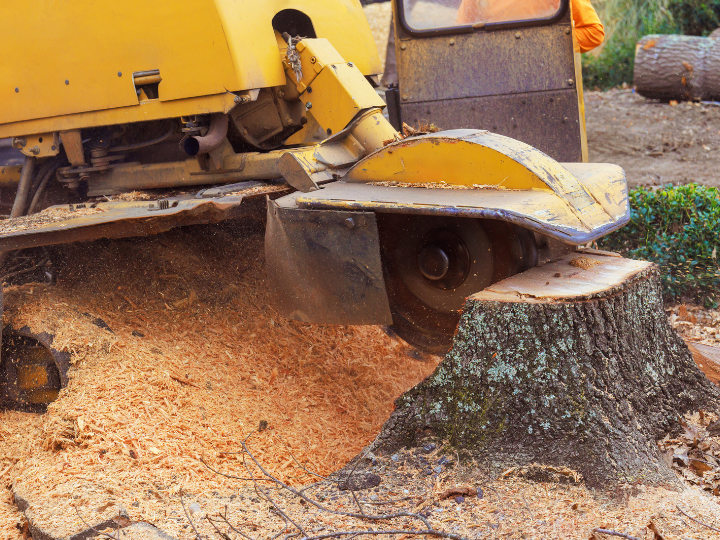
Removing an unwanted tree stump can make a noticeable difference to your outdoor space, but the real transformation often begins after the grinding process is complete. From improving the appearance of your lawn to creating opportunities for new landscaping, professional tree stump grinding helps restore valuable garden space while reducing problems associated with decaying tree remains. Understanding what happens afterwards can help homeowners prepare for the next stage of garden improvement.
1. The Garden Becomes More Spacious
More Room for Outdoor Activities
Once a stump has been ground below ground level, an obstacle that previously occupied valuable garden space is removed. This creates more room for everyday activities, outdoor furniture, children's play areas and general garden use.
Better Garden Layout
Stumps can make mowing, edging and landscaping difficult. Removing them allows homeowners to plan garden layouts more freely without working around an awkward obstruction.
2. Wood Chips Become Part of the Process
Understanding the Grinding Residue
Professional stump grinding produces small wood chips and sawdust as the stump is reduced into fragments. These materials are generally left in or around the grinding area, depending on the service arrangement.
The quantity of residue depends on the stump's size, species and condition. Larger stumps naturally produce more material.
Reusing Wood Chips in the Garden
Suitable wood chips can sometimes be reused as garden mulch. When properly applied around established plants, mulch can help retain soil moisture, reduce weed growth and protect the soil surface.
However, avoid placing fresh wood chips directly against plant stems or tree trunks.
3. The Ground Needs Time to Settle
Filling the Remaining Space
After grinding, a shallow depression may remain where the stump previously stood. This area usually contains a mixture of wood fragments, sawdust and surrounding soil.
The space may need additional topsoil to create a level surface. The amount required depends on the depth of grinding and the original stump dimensions.
Allowing Natural Decomposition
Remaining underground roots and wood fragments gradually decompose over time. During this process, the soil can settle, so occasional levelling may be necessary before establishing a lawn or garden bed.
4. New Landscaping Opportunities Appear
Planting Grass and Ground Cover
With the stump removed, homeowners can consider restoring the area with suitable grass varieties or ground-cover plants.
Before planting, remove excess wood debris, add quality topsoil and prepare the surface properly. Grass establishment may take longer if the area contains substantial remaining wood material.
Creating New Garden Features
The cleared space can also become an opportunity to introduce attractive landscaping features, such as:
-
Decorative garden beds with seasonal flowers.
-
Small shrubs and suitable ornamental plants.
-
Decorative stones or garden edging.
-
New lawn sections for a cleaner outdoor appearance.
-
Open spaces for seating or garden decorations.
5. Garden Maintenance Becomes Easier
Simpler Lawn Mowing
Tree stumps can interfere with lawnmowers and make it difficult to maintain an even grass height. Grinding removes this obstruction, helping homeowners maintain a more consistent lawn surface.
Reduced Trip Hazards
Exposed stumps and protruding roots can create obstacles in frequently used garden areas. Grinding reduces these hazards by removing the visible stump and lowering the remaining material beneath the soil surface.
However, large surface roots may require separate attention if they remain exposed.
6. What Should You Do After Stump Grinding?
A little preparation helps the garden recover and makes the cleared area more useful.
Consider these practical steps:
-
Remove excess wood chips if they are not required for landscaping.
-
Add suitable topsoil to fill the depression.
-
Level the surface and allow the soil to settle.
-
Water the prepared area when necessary.
-
Choose plants or grass suitable for the local soil and sunlight conditions.
-
Monitor the area for settling and replenish soil when required.
Professional advice can help determine the most suitable approach for larger stumps or areas with extensive underground roots.
Frequently Asked Questions
1. What happens to the roots after stump grinding?
The main stump is ground below ground level, but larger underground roots generally remain. These roots gradually decompose naturally over time.
2. Can I plant grass immediately after stump grinding?
It is possible to prepare the area straight away, but successful grass growth depends on removing excess wood debris, adding suitable topsoil and allowing the ground to settle.
3. Are wood chips from stump grinding useful?
Yes. Suitable wood chips can be reused as mulch around established plants, helping retain moisture and suppress weeds when applied correctly.
4. Will my garden look better after stump grinding?
Removing an unwanted stump can create a cleaner, more organised appearance. It also provides additional space for lawn restoration, planting and other landscaping improvements.
5. Does stump grinding prevent new tree growth?
Grinding removes the main stump, but some tree species can produce new shoots from surviving roots. Monitoring the area and addressing regrowth when it appears can help manage this issue.
 Russian
 English
 Arabic
 French
 Spanish
 Portuguese
 Deutsch
 Turkish
 Dutch
 Italiano
 Romaian
 Portuguese (Brazil)
 Greek