


Construction Equipment Transportation: A Complete Guide to Moving Heavy Machinery Across the USA
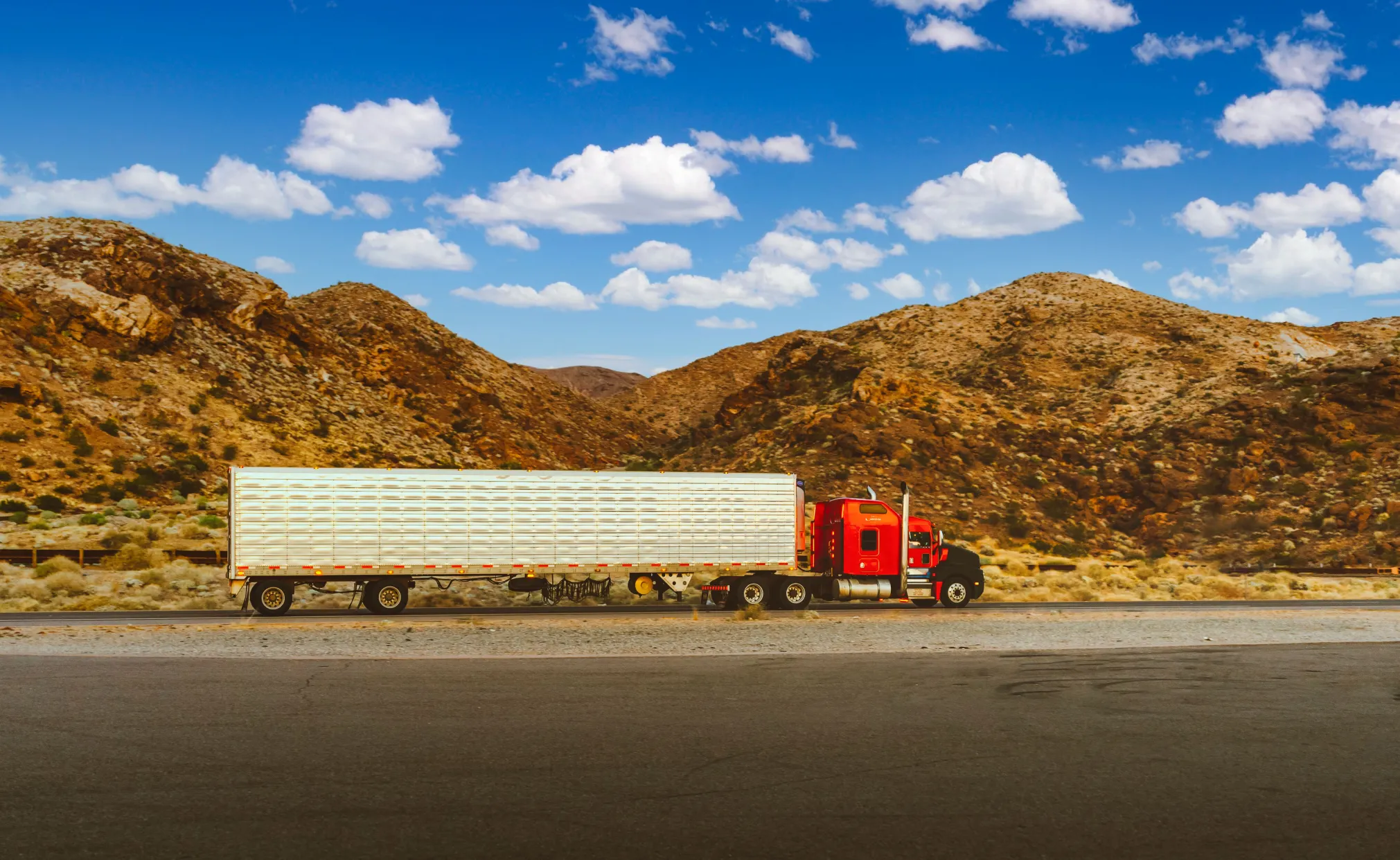
Construction companies frequently need to relocate machinery between construction sites, industrial facilities, dealerships, and equipment auctions. Moving heavy machinery safely requires careful planning, appropriate transportation vehicles, and experienced hauling professionals. Construction equipment transportation provides businesses with practical solutions for relocating valuable machinery across local, regional, and nationwide routes.
Whether transporting a compact skid steer or a large excavator, every shipment has specific requirements. Equipment dimensions, operating weight, loading conditions, and road regulations all influence the transportation process. Understanding these factors helps equipment owners choose suitable shipping arrangements and avoid unnecessary complications.
Why Construction Equipment Transportation Matters
Construction machinery represents a significant investment for contractors, builders, and equipment dealers. Moving this machinery without proper transportation arrangements can create delays, additional expenses, and potential equipment damage.
Professional transportation services help businesses relocate machinery when starting new projects, purchasing equipment from distant sellers, or transferring machines between multiple job locations.
Reliable transportation coordination also allows construction companies to focus on their daily operations instead of managing complicated logistics independently. With appropriate planning, equipment can reach its destination according to the agreed transportation schedule.
Common Types of Construction Equipment Transported
Different construction projects require different types of machinery. Many machines are too heavy, oversized, or specialized for ordinary transportation methods.
Some commonly transported construction equipment includes:
1. Excavators: Excavators are essential for digging foundations, trenching, demolition, and earthmoving. Their weight and dimensions often require heavy-duty trailers.
2. Bulldozers: These machines are designed for land clearing, grading, and pushing large quantities of soil. Their tracks and overall weight must be considered during loading and hauling.
3. Skid Steers: Compact skid steer loaders are widely used in landscaping, residential construction, and material handling. Their smaller dimensions can offer more flexible transportation options.
4. Wheel Loaders: Wheel loaders move gravel, sand, soil, and other construction materials. Depending on their size, they may require flatbed or specialized trailers.
5. Forklifts: Construction and industrial businesses frequently relocate forklifts between warehouses, job sites, and equipment facilities.
6. Motor Graders and Road Rollers: These machines are commonly used in road construction and infrastructure projects. Their dimensions and operating weight influence trailer selection.
Other machinery, including backhoes, cranes, trenchers, compactors, and industrial equipment, may also require professional transportation.
Choosing the Right Trailer for Construction Equipment
Selecting an appropriate trailer is an important part of heavy machinery transportation. The correct option depends on equipment weight, dimensions, ground clearance, and loading requirements.
Flatbed Trailers
Flatbed trailers feature an open platform that accommodates many types of construction machinery. They are commonly used for equipment that meets applicable weight and dimensional restrictions.
Step-Deck Trailers
Step-deck trailers have two different deck heights. Their design provides additional vertical clearance for taller equipment compared with standard flatbeds.
Lowboy Trailers
Lowboy trailers are frequently used to move heavy and oversized construction machinery. Their low deck height makes them suitable for transporting large excavators, bulldozers, and other substantial equipment.
Specialized Heavy-Haul Trailers
Some machinery exceeds standard transportation limits and requires specialized trailers, additional axles, route planning, and permits. These shipments need more detailed coordination before transportation begins.
Important Preparation Steps Before Shipping Heavy Machinery
Preparing construction equipment properly can help prevent transportation delays and loading complications.
Measure Equipment Accurately: Record the machinery's length, width, height, and actual shipping weight. Include attachments that will remain connected during transportation.
Check Operating Condition: Inform the transportation provider whether the equipment is operational. Non-running machinery may require specialized loading equipment.
Prepare Pickup and Delivery Locations: Confirm that both locations have sufficient space for trucks, trailers, and loading operations.
Remove Loose Items: Secure or remove detachable accessories and loose materials that could move during transit.
Document Equipment Condition: Take photographs of the machinery before pickup to maintain a useful record of its condition.
Review Transportation Requirements: Oversized or overweight equipment may require permits, approved routes, and additional safety arrangements depending on applicable regulations.
Factors That Affect Construction Equipment Transportation Costs
Transportation prices vary depending on the shipment's specific requirements. Understanding the major cost factors can help businesses plan their equipment relocation budgets.
-
Shipping Distance: Longer routes generally involve greater fuel and transportation expenses.
-
Equipment Weight: Heavy machinery may require specialized trailers and additional hauling capacity.
-
Equipment Dimensions: Oversized loads can require special permits and route restrictions.
-
Trailer Selection: Flatbed, step-deck, lowboy, and specialized trailers have different transportation requirements.
-
Pickup and Delivery Locations: Remote areas and difficult job site access may affect transportation arrangements.
-
Scheduling: Carrier availability, seasonal demand, and requested delivery dates can influence shipping rates.
Providing complete shipment information is the best way to receive an accurate transportation estimate.
Benefits of Hiring Professional Equipment Transport Services
Professional transportation coordination offers several advantages for construction businesses and machinery owners.
-
Convenience: Reduce the time and effort involved in arranging heavy equipment shipments.
-
Nationwide Coverage: Relocate machinery between states, construction sites, dealerships, and industrial facilities.
-
Appropriate Trailer Selection: Match equipment specifications with suitable hauling options.
-
Better Planning: Coordinate machinery deliveries around construction schedules and project deadlines.
-
Equipment Protection: Proper loading, securement, and transportation procedures help reduce the risk of damage.
These benefits make professional hauling an important consideration for companies that regularly move construction machinery.
Finding a Reliable Construction Equipment Transport Company
Choosing a transportation company requires more than comparing shipping prices. Customers should consider carrier experience, licensing, insurance arrangements, communication, and the ability to accommodate specific equipment requirements.
Ask questions about trailer availability, pickup arrangements, delivery estimates, and transportation permits. Request clear information about the shipping process before confirming an order.
All State to State Auto Transport has been serving customers since 2008, coordinating transportation solutions for individuals, families, dealerships, and businesses throughout the United States.
Businesses looking for Construction equipment transport can explore available shipping options for heavy machinery and specialized equipment. Depending on the shipment's dimensions, weight, and route requirements, suitable licensed and insured transportation providers can be coordinated.
Whether relocating an excavator, shipping a bulldozer, or moving industrial machinery between states, proper transportation planning helps make the process more organized.
Conclusion
Construction equipment transportation is an essential service for contractors, construction companies, equipment dealers, and industrial businesses. Moving heavy machinery requires suitable trailers, accurate equipment measurements, careful loading, and compliance with transportation regulations.
By preparing equipment properly and choosing an experienced transportation coordinator, businesses can arrange dependable machinery shipping across the United States. Effective transportation planning helps keep equipment moving and construction projects operating efficiently.

 Arabic
 French
 Spanish
 Portuguese
 Deutsch
 Turkish
 Dutch
 Italiano
 Russian
 Romaian
 Portuguese (Brazil)
 Greek