


A Parent’s Guide to Choosing Sensory Toys for Everyday Play
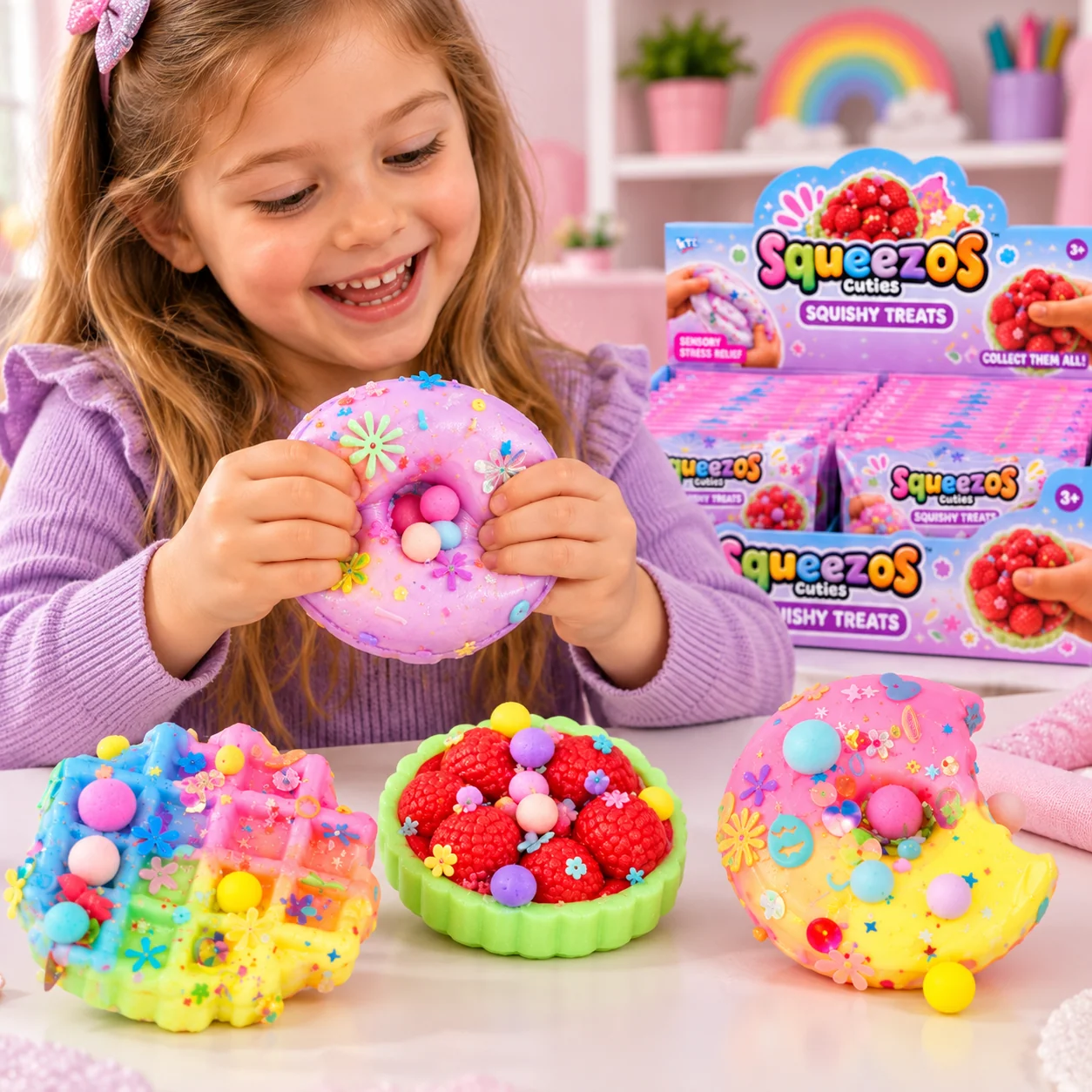
Children discover the world through everyday experiences. They touch different surfaces, listen to sounds, watch objects move and explore how things respond when they interact with them. Sensory toys can make these experiences more engaging by giving children simple, hands-on ways to explore textures, movement, shapes and other sensations.
For parents, choosing sensory toys can feel confusing because there are many different types available. Some are soft and squeezable, while others involve sorting, building, movement or sound. The most suitable option depends on the child’s age, interests, comfort and the way they enjoy playing.
A thoughtful choice does not need to be expensive or complicated. By understanding what sensory toys offer and considering a few practical factors, parents can find options that fit naturally into everyday play.
What Are Sensory Toys?
Sensory toys are play items that invite children to explore one or more senses. They may encourage touch, sight, sound, movement or awareness of how the body moves and feels.
Some sensory toys have different textures, while others can be squeezed, twisted, rolled, stacked or moved. Examples include textured balls, soft toys, sensory blocks, simple sorting toys and age-appropriate squishy items.
Sensory toys are not limited to one age group. Younger children may enjoy exploring simple shapes and surfaces, while older children may prefer more detailed activities or toys that can be used as part of imaginative play. The key is to choose something that is suitable for the child’s age and abilities.
Start with Your Child’s Age and Development
Age guidance is an important starting point when choosing any toy. It helps parents understand whether an item is designed for a child’s current stage and whether it may contain parts or features that require additional care.
For babies and toddlers, choose toys that are easy to hold and do not contain small detachable pieces. Young children often explore objects by putting them in their mouths, so check the packaging carefully and supervise play.
Preschool-aged children may enjoy toys that involve sorting, matching, pressing, building or pretend play. These activities can give them opportunities to explore different materials while using their hands and imagination.
Older children may prefer sensory toys with more varied features or activities that offer a challenge. They might enjoy textured construction pieces, creative materials or tactile toys that can be incorporated into games and storytelling.
Remember that children develop at different rates. Use the age recommendation as a guide, while also considering the child’s individual abilities and interests.
Consider the Sensations Your Child Enjoys
Children can have different preferences for textures, sounds and movement. Some enjoy soft, squishy materials, while others prefer firm surfaces or toys with raised patterns. A child may enjoy a toy that makes a gentle sound but dislike one that is loud or unpredictable.
Notice which experiences your child naturally returns to. Do they enjoy squeezing soft objects, handling building blocks, exploring water during supervised play or moving toys around? These observations can help you choose items that are likely to feel interesting and comfortable.
It is equally important to respect what a child does not enjoy. If a texture or sound seems unpleasant to them, offer another option rather than forcing them to continue. Sensory preferences vary, and the purpose of play is to provide an enjoyable opportunity to explore.
Choose Toys That Encourage Hands-On Exploration
Sensory toys can offer different ways to interact. Some invite children to press, squeeze or roll, while others encourage stacking, sorting, matching or building.
Toys that allow children to make choices can be particularly useful for everyday play. A set of blocks, for example, can be stacked, arranged into patterns or used to create an imaginary setting. A textured ball might be rolled, passed between people or included in a simple indoor game.
The toy does not need to perform many actions by itself. Sometimes, a simple object that children can use in different ways gives them more freedom to explore and invent their own activities.
For parents looking for tactile play options, Gifzy’s Squeeze & Squishy Toys collection is available here:
https://gifzy.co.uk/collections/squeeze-squishy-toys
Check each product’s age guidance and safety information before choosing it for your child.
Think About Everyday Use
A sensory toy should fit comfortably into your family’s routine. Consider where your child is most likely to use it and whether it is easy to store, clean and carry.
A compact toy may be useful for quiet moments at home or while travelling, provided it is suitable for the child’s age and the setting. A larger activity may work better in a dedicated play area where children have room to move and explore.
Parents should also consider how much supervision a toy requires. Some activities are suitable for independent play once a child understands how to use them, while others need an adult nearby. Check the manufacturer’s instructions and use your judgement based on the child’s age and abilities.
Look for Toys with Lasting Play Value
Children’s interests can change quickly, so it is worth considering whether a toy can be used in more than one way. A toy that offers different possibilities may remain interesting for longer than one with a single action.
For example, textured blocks can be used for building, sorting or imaginative games. Soft toys may become characters in stories, while simple sensory items can be included in different activities throughout the day.
This does not mean every toy needs to be complex. A simple toy can have lasting value when children can explore it in their own way. The important question is whether it offers an enjoyable experience that suits the child.
Check Safety and Quality Before Buying
Safety should always come before appearance or novelty. Read the age recommendation and check whether the toy contains small parts, magnets, button batteries, cords or other features that may require special care.
Inspect the toy for sharp edges, loose components or materials that could break during use. For younger children, avoid items with detachable pieces that could present a choking risk. Follow any cleaning and maintenance instructions, especially for toys that children handle frequently.
If buying online, read the product description carefully and look for clear information about materials, dimensions, age suitability and care. A toy that looks larger or smaller than expected in a photograph may not be suitable for the child’s needs.
You can review Gifzy’s product range and information here:
Introduce Sensory Toys Without Making Play Complicated
Sensory play can be part of ordinary family life. Parents do not need to create a special activity every day. A few suitable toys can be offered during playtime, quiet time or a simple activity at home.
Try placing two or three toys within reach and letting your child decide which one to explore. You might join in by describing what you notice, such as whether a surface feels smooth, soft or bumpy. Keep the conversation relaxed and allow the child to lead.
You can also connect sensory toys to activities your child already enjoys. A child who likes storytelling might use toys as characters, while a child who enjoys building could include textured pieces in a construction game.
The aim is to make play inviting, not to turn every activity into a lesson.
Keep a Balanced Mix of Play Options
Sensory toys can be one part of a child’s wider toy collection. Children may also enjoy books, building sets, pretend-play items, outdoor games and creative materials.
Offering a variety of play experiences gives children opportunities to explore different interests. It can also help parents avoid buying multiple toys that offer exactly the same activity.
A small, thoughtfully chosen collection may be more useful than a large number of toys that are rarely played with. Rotate some items occasionally, and bring them back when your child is ready to explore them again.
Final Thoughts
Choosing sensory toys for everyday play begins with understanding the child. Consider their age, interests, preferred textures, abilities and the places where they are likely to play. Look for toys that invite hands-on exploration, offer flexible play possibilities and meet appropriate safety standards.
Sensory toys do not need to be complicated or expensive to be enjoyable. Simple items can provide opportunities to explore, create and play in different ways. By following your child’s interests and keeping safety in mind, you can choose sensory toys that become a natural and enjoyable part of everyday family life.
 Dutch
 English
 Arabic
 French
 Spanish
 Portuguese
 Deutsch
 Turkish
 Italiano
 Russian
 Romaian
 Portuguese (Brazil)
 Greek