


Professional Deep Cleaning Services: A Complete Guide to a Cleaner, Healthier and More Hygienic Environment
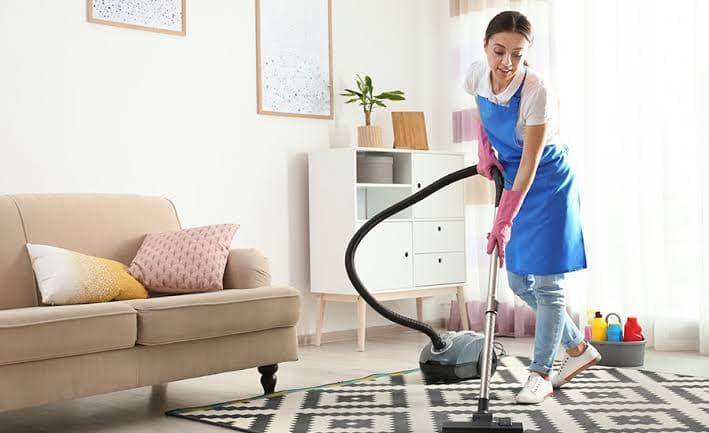
Maintaining a clean environment is essential for creating comfortable, organised and hygienic living and working spaces. While regular cleaning helps manage everyday dirt and dust, certain areas require more detailed attention to remove accumulated grime, stubborn stains and hidden contaminants. Kitchens, bathrooms, carpets, floors and frequently touched surfaces can gradually collect dirt that ordinary cleaning routines may not completely address. This is why a more thorough approach to property maintenance is important.
Whether you own a residential property, manage a commercial building or operate a busy workplace, cleanliness can influence the comfort and overall condition of your surroundings. A properly maintained environment also creates a positive impression on visitors, employees, customers and guests. However, achieving consistent results requires appropriate cleaning equipment, suitable products and effective techniques.
Choosing professional deep cleaning services provides an organised solution for tackling areas that need more attention than everyday cleaning can offer. From removing stubborn kitchen grease to refreshing carpets and sanitising frequently used surfaces, detailed cleaning can help restore the appearance and hygiene of different environments.
Understanding the cleaning process, available services and benefits can help property owners make informed decisions about maintaining their spaces.
Understanding the Importance of Deep Cleaning
Deep cleaning involves a detailed cleaning process that targets dirt, dust, grease and accumulated residue in areas that may receive limited attention during routine maintenance. Unlike everyday cleaning, which generally focuses on visible surfaces, this approach addresses less accessible spaces and frequently overlooked areas.
Difference Between Regular Cleaning and Deep Cleaning
Regular cleaning usually includes everyday tasks such as vacuuming, dusting, wiping surfaces, emptying bins and cleaning floors. These activities help maintain an acceptable level of cleanliness between more thorough cleaning sessions.
Deep cleaning, however, involves additional work. Depending on the property's requirements, it may include cleaning behind furniture, removing stubborn deposits, treating bathroom surfaces, degreasing kitchen appliances and addressing accumulated dirt around fixtures.
Both approaches are important because regular cleaning maintains daily hygiene, while deeper cleaning helps address areas where dirt gradually builds up.
Why Clean Environments Matter
A clean environment supports comfort, organisation and general wellbeing. Dust, food residue, moisture and accumulated dirt can make indoor spaces unpleasant when they are not managed properly.
Furthermore, poorly maintained areas may develop unpleasant odours, visible stains and mould problems. Consistent cleaning helps manage these issues and makes residential and commercial spaces more welcoming.
For businesses, cleanliness is also an important part of professional presentation. Customers and visitors often notice the condition of reception areas, washrooms, floors and shared facilities.
Different Types of Deep Cleaning Services
Every property has different cleaning requirements. Therefore, a suitable cleaning plan should consider the property's size, condition, surface materials and intended use.
Residential Deep Cleaning
Residential properties contain numerous surfaces and fixtures that require regular attention. Kitchens, bathrooms, bedrooms, living rooms and hallways can all accumulate dust and dirt over time.
Residential cleaning may involve:
·
Detailed cleaning of kitchen worktops and cupboards.
·
·
Removing grease from suitable kitchen surfaces.
·
·
Cleaning bathroom fixtures, sinks and shower areas.
·
·
Dusting furniture, shelves and decorative items.
·
·
Vacuuming carpets and upholstered furniture.
·
·
Cleaning skirting boards, doors and accessible corners.
·
·
Removing dirt from commonly overlooked areas.
·
A detailed residential clean can be particularly useful before special occasions, after extended periods of limited maintenance or when preparing a property for new occupants.
Commercial Deep Cleaning
Commercial buildings experience different cleaning challenges because of regular foot traffic, shared facilities and operational activities.
Offices, retail premises, educational buildings and other commercial environments require cleaning schedules that suit their daily operations.
Commercial cleaning may include:
·
Cleaning desks, workstations and shared surfaces.
·
·
Detailed washroom cleaning.
·
·
Cleaning floors and entrance areas.
·
·
Removing dust from accessible fixtures.
·
·
Cleaning kitchen and staff break areas.
·
·
Disinfecting appropriate frequently touched surfaces.
·
·
Maintaining reception areas and communal spaces.
·
A properly planned cleaning programme helps businesses maintain a professional environment while supporting the everyday needs of employees and visitors.
Kitchen Deep Cleaning
Kitchens require particular attention because cooking activities create grease, food residue and other deposits.
These substances can accumulate around cooking equipment, cupboards, splashbacks and work surfaces.
An effective kitchen cleaning process may include cleaning suitable appliance exteriors, degreasing surfaces, removing food residue and addressing difficult-to-reach areas.
It is also important to use cleaning products that are suitable for the materials being treated. Certain surfaces require specialist care to avoid scratches, discolouration or damage.
Bathroom Deep Cleaning
Bathrooms are exposed to moisture, soap residue, limescale and regular use. Without appropriate maintenance, these deposits can accumulate around taps, shower screens, tiles and sanitaryware.
A detailed bathroom clean may include:
·
Cleaning toilets, basins and taps.
·
·
Removing soap deposits from suitable surfaces.
·
·
Treating limescale where appropriate.
·
·
Cleaning shower enclosures and bath areas.
·
·
Scrubbing grout lines using suitable products.
·
·
Cleaning mirrors and accessible fittings.
·
·
Addressing dirt around bathroom fixtures.
·
Good ventilation and routine maintenance are also important for reducing excess moisture and preventing recurring problems.
Benefits of Choosing Professional Cleaning Assistance
Maintaining a property can become time-consuming, particularly when detailed cleaning is required across several rooms. Professional cleaning assistance offers practical advantages for property owners and businesses.
Access to Suitable Cleaning Equipment
Different cleaning tasks require different equipment. Vacuum cleaners, floor-cleaning machines, specialist brushes and appropriate cleaning tools can help tackle various types of dirt and surface contamination.
Using the correct equipment also helps achieve more consistent results across different areas.
However, equipment must always be suitable for the surface being cleaned. For example, delicate flooring may require a different cleaning method from durable tiled surfaces.
Effective Removal of Stubborn Dirt
Some deposits cannot be removed easily through ordinary wiping or vacuuming.
Grease, built-up soap residue, ground-in dirt and certain stains may require appropriate products and carefully selected cleaning techniques.
Experienced cleaners can assess the condition of different surfaces and select suitable methods without relying on unnecessarily aggressive chemicals.
Saving Time and Effort
Detailed property cleaning can involve several hours of physical work. For busy households and businesses, completing every task independently may be difficult.
Professional assistance allows property owners to focus on their responsibilities while cleaning work is handled according to an agreed schedule.
Maintaining a Professional Appearance
Clean floors, organised workspaces, fresh-smelling rooms and well-maintained washrooms contribute to a positive impression.
For commercial properties, this can be particularly important because the condition of the premises reflects the organisation's attention to its working environment.
How to Choose the Right Cleaning Company
Selecting a suitable cleaning provider requires more than comparing prices. Property owners should consider service quality, experience, cleaning methods and communication before making a decision.
Check Experience and Service Coverage
Different cleaning providers specialise in different types of properties.
Some focus primarily on domestic cleaning, while others offer commercial maintenance, specialist floor care or more extensive cleaning solutions.
Before choosing a provider, confirm that its services match your property's requirements.
Understand the Cleaning Process
A reliable cleaning company should explain which areas are included in the service and what tasks will be completed.
This helps prevent misunderstandings about the expected results.
For example, cleaning kitchen surfaces does not necessarily mean that internal appliances, inaccessible spaces or specialist equipment are included.
Ask for a clear breakdown of the work before confirming an appointment.
Consider Cleaning Products and Safety
Cleaning products should be selected according to the surfaces, materials and type of contamination involved.
Some chemicals can damage certain finishes or create unnecessary irritation when used incorrectly.
It is important to follow manufacturer instructions, use appropriate protective equipment and ensure suitable ventilation during cleaning activities.
Where children, pets or individuals with sensitivities use the property, these considerations become especially important.
Review Customer Feedback
Customer reviews can provide useful information about punctuality, communication, service quality and overall customer experience.
Look for detailed feedback rather than relying exclusively on short positive comments.
It is also helpful to ask about previous experience with properties similar to yours.
The Step-by-Step Process of a Thorough Cleaning Visit
Understanding how a cleaning appointment is organised helps property owners prepare their premises and establish realistic expectations.
Initial Property Assessment
The process generally begins with assessing the property and identifying areas that require additional attention.
The cleaning provider may consider:
·
Property size and room layout.
·
·
Existing dirt and surface conditions.
·
·
Type of flooring and furniture.
·
·
Kitchen and bathroom requirements.
·
·
Areas requiring specialist treatment.
·
·
Access arrangements and preferred scheduling.
·
This information helps establish a suitable cleaning plan.
Preparing the Cleaning Areas
Before cleaning begins, unnecessary clutter should be removed where possible. Fragile belongings and valuable personal items should also be stored safely.
The cleaning team can then access the required surfaces and work more efficiently.
Preparation may also involve identifying delicate materials that require specific cleaning methods.
Carrying Out Detailed Cleaning
Once preparation is complete, cleaning can proceed according to the agreed plan.
Work may begin with dust removal before moving towards surface cleaning, bathroom treatment, kitchen degreasing and floor maintenance.
Cleaning from higher surfaces towards lower areas helps prevent dust and debris from settling on previously cleaned sections.
Final Inspection
A final inspection helps confirm that the agreed tasks have been completed.
Particular attention should be given to visible surfaces, floor condition, bathroom fixtures and areas identified during the initial assessment.
Any remaining concerns can then be discussed with the cleaning provider.
Areas That Often Require Extra Cleaning Attention
Certain parts of a property are more likely to accumulate dirt because of frequent use, moisture or limited accessibility.
Behind and Beneath Furniture
Dust and debris can collect beneath beds, sofas, cabinets and other large furniture items.
These spaces are often overlooked during regular cleaning because they are difficult to access.
Where furniture can be moved safely, cleaning underneath and behind it can improve overall room cleanliness.
Kitchen Appliances and Cupboards
Cooking activities can leave grease around appliance exteriors, cupboard handles and nearby surfaces.
Food crumbs may also collect inside accessible cupboards and storage areas.
These locations should be included in a detailed kitchen cleaning plan where required.
Skirting Boards and Door Frames
Skirting boards, door frames and the edges of rooms can gradually collect dust and marks.
Although these areas are relatively small, cleaning them can noticeably improve the overall appearance of a property.
High-Touch Surfaces
Door handles, switches, handrails and shared equipment are frequently touched throughout the day.
Appropriate cleaning and disinfection procedures can help maintain these surfaces, particularly in busy commercial environments.
Maintaining Cleanliness Between Professional Visits
A detailed cleaning appointment can improve the condition of a property, but everyday maintenance remains important.
Simple habits can help preserve the results and reduce the amount of dirt that accumulates between visits.
Establish a Regular Cleaning Routine
Create a schedule covering essential household or workplace tasks.
For example, floors can be vacuumed regularly, kitchen worktops wiped after use and bathroom fixtures maintained throughout the week.
A consistent routine prevents everyday dirt from developing into more difficult cleaning problems.
Manage Moisture and Ventilation
Moisture can contribute to mould growth and unpleasant odours when indoor spaces are poorly ventilated.
Use suitable extractor fans, open windows where appropriate and address water leaks promptly.
Bathrooms and kitchens particularly benefit from effective ventilation.
Clean Spills Immediately
Food, drinks and other substances can become more difficult to remove when left untreated.
Cleaning spills promptly can help prevent staining and reduce the possibility of residue building up on surfaces.
Keep Storage Areas Organised
Organised cupboards, shelves and storage spaces make cleaning easier.
Reducing unnecessary clutter also helps prevent dust from collecting around unused belongings.
Why Professional Deep Cleaning Services Are a Practical Investment
Property maintenance should be considered an ongoing responsibility rather than an occasional cosmetic activity.
Investing in professional deep cleaning services can help property owners address accumulated dirt, maintain important surfaces and create more comfortable indoor environments.
For households, this means having additional support when everyday cleaning is not sufficient. For businesses, it provides a structured way to maintain shared facilities, workspaces and customer-facing areas.
The most appropriate cleaning frequency depends on property usage, occupancy, environmental conditions and individual requirements. High-traffic premises may need more frequent attention than smaller residential properties.
It is also important to remember that deep cleaning is not a substitute for repairing damaged materials, addressing plumbing leaks or resolving underlying damp problems. These issues should be assessed and corrected separately to maintain the property effectively.
Conclusion
Maintaining a hygienic and presentable property requires more than occasional dusting and surface cleaning. Kitchens, bathrooms, floors, furniture and frequently used areas all benefit from appropriate cleaning methods and consistent maintenance. By understanding the different cleaning requirements and selecting suitable products and equipment, property owners can maintain cleaner and more comfortable surroundings.
Choosing professional deep cleaning services can make detailed property maintenance more manageable while helping address stubborn dirt and neglected areas. Whether the requirement involves a residential home, office or commercial premises, a carefully planned cleaning approach can deliver practical long-term benefits.
For households and businesses looking for dependable cleaning support, SPARKLING CLEAN MANCHESTER LTD provides a relevant option to consider when planning property maintenance. Prioritising suitable cleaning methods, attention to detail and consistent standards can help create an environment that remains welcoming, organised and well maintained.

 Arabic
 French
 Spanish
 Portuguese
 Deutsch
 Turkish
 Dutch
 Italiano
 Russian
 Romaian
 Portuguese (Brazil)
 Greek