


How to Set Up Boat Cover Poles to Reduce Water Pooling
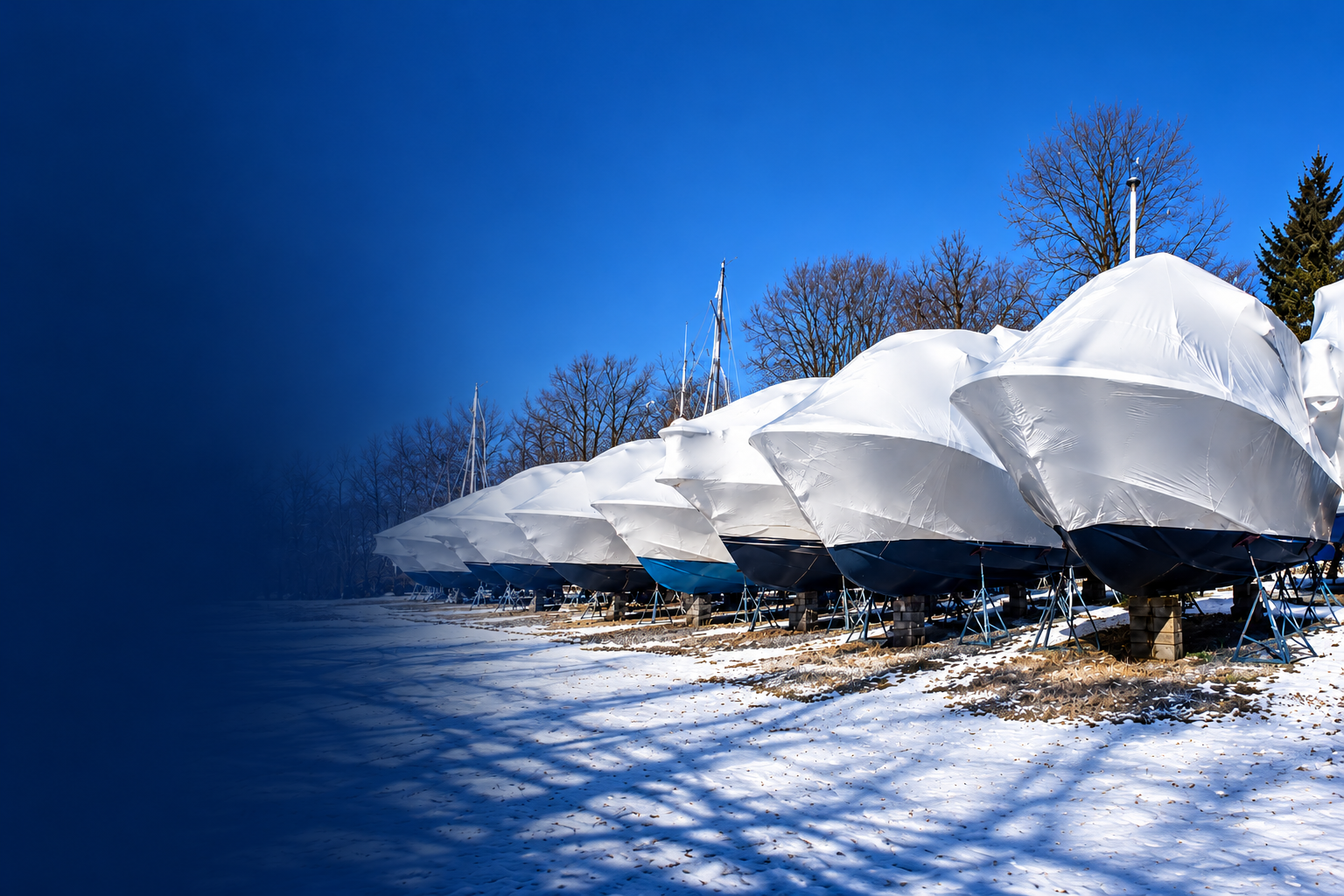
A cover that looks smooth on a dry afternoon may behave differently after rain. Water can reveal a shallow pocket, a shifted support, or an attachment that needs adjustment. Buying another pole without identifying the cause may leave the same problem in place.
Boat cover poles work best when their height, position, and connections match the cover. A repeatable setup also makes it easier to notice when something changes.
This guide focuses on practical installation and maintenance: how to assess the cover, choose compatible components, position supports, and check the arrangement during storage.
Find the Cause of Sagging First
Look at the cover in its normal secured position. Identify where water collects and note the nearby supports, seams, and attachment points.
A low pocket may have several explanations:
- A support is missing from a designated location.
- A pole has shifted or shortened.
- The cover is not positioned or secured correctly.
- Fabric or stitching needs repair.
- The arrangement leaves too much unsupported fabric between contact points.
Do not assume every sag requires more tension. Pulling harder at the perimeter may strain attachments without correcting the shape in the middle.
How Support Poles Help Water Drain
Boat cover support poles create elevated points beneath the fabric. When the surrounding cover slopes toward its edges, water has a path away from the boat.
The aim is a continuous drainage route. A raised center with a low pocket beside it still leaves somewhere for water to gather.
Think of boat cover support as an arrangement of connected parts. The cover determines where support belongs; the pole establishes height; the base and upper attachment keep that position usable. Perimeter fastening then holds the intended shape.
A properly planned boat cover support system addresses these relationships together. Additional poles or approved support components may be appropriate where the cover manufacturer specifies them.
Choose Adjustable Hardware That Fits the Job
Understand Telescoping Adjustment
Adjustable boat cover poles allow height changes as the cover is fitted. Telescoping boat cover poles accomplish this with sliding sections secured by a locking mechanism.
Check both the minimum and maximum lengths. A pole that extends high enough may still be too tall when collapsed for a shallow installation point.
Also consider access. You need to operate and inspect the lock in the actual setup, not just when the pole is lying on a workbench.
Match the Top and Bottom Connections
Marine cover support poles need compatible contact points at both ends. Identify whether the cover uses a snap, grommet, vent, or another designed attachment.
For an integrated approach, Vico Marine’s Boat Cover Poles can be selected with different upper fittings and base options. Compare the complete configuration with your cover’s requirements before ordering.
Its Classic Series provides two-section telescoping poles, while the Pro Series uses three sections. This gives buyers configuration choices, but the correct model still depends on measurements and fittings. cdn.shopify.com
Set Up the Cover in a Consistent Order
Prepare the Boat and Cover
Check that the cover is facing the correct direction and that its attachment locations match the boat. Remove loose objects that could interfere with support placement.
Inspect the intended base surfaces and upper connections before adding tension. Repair damaged cover hardware or fabric rather than building the setup around a weak attachment.
Keep access available until the supports have been positioned and checked.
Place Supports at Intended Locations
Use the cover’s designated support points and the manufacturer’s instructions. If recurring pooling suggests those points are inadequate, consult the cover maker before cutting new holes or adding attachments.
Keep the pole upright. Vico specifically identifies uneven side loading as a potential source of damage, so leaning a pole to reach an offset connection is not a dependable correction. vicomarine.com
Adjust Height Gradually
Extend the pole until it supports the cover’s intended shape, then engage its locking mechanism as instructed.
Avoid using height adjustment to force a poorly fitting cover into place. If raising one area pulls attachments excessively or creates a new pocket, review the layout.
Check each telescoping section and lock, particularly on a pole with multiple adjustment points. Stay within the specified extension range.
Inspect the Finished Arrangement
Once the cover is secured, walk around the boat. Look for unsupported dips, uneven tension, and contact with sharp edges.
Recheck the bases and top connections if accessible. A stable-looking peak does not confirm that the foot underneath remains correctly seated.
After rainfall, inspect the result again. Recurring pooling is useful feedback that the setup needs further review.
Know Which Accessories Belong in the System
A boat cover pole system may include compatible vents, bases, and other support hardware. Adding a part makes sense when it addresses an identified need and fits the existing components.
Vico offers a swivel base designed to spread contact over a larger padded area. Confirm the appropriate size and resting surface instead of assuming one base fits every installation. Vico Marine
Boat cover accessories also need to match the application. Boat canopy support poles belong to their specified canopy arrangements, while boat shelter support poles may be structural parts of a separate enclosure. Neither term should be treated as proof of compatibility with a fitted boat cover.
Likewise, a pole supports fabric but does not create ventilation by itself. Plan airflow separately or use a compatible vent-and-pole arrangement.
Keep the Setup Working During Storage
Inspect the cover periodically and after significant weather. Check for displaced supports, blocked drainage paths, worn contact areas, and loosening hardware.
Vico recommends monthly checks of the flip-lock collar, tubing, and protective crutch tip. If a pole slips or a part is damaged, follow the manufacturer’s service guidance before relying on it again. vicomarine.com
Clean and dry the cover according to its fabric manufacturer’s instructions. Examine seams and fastening points while the cover is off, when wear is easier to see.
Do not interpret a pole’s load rating as a snow-load rating for the entire cover. Winter conditions require assessment of the complete storage arrangement. Confirm transport suitability separately before trailering.
Frequently Asked Questions
Why does my cover still pool water with poles installed?
Possible causes include unsuitable support locations, shifted bases, slipping adjustments, poor cover fit, or damaged fabric. Inspect the entire drainage path and attachment arrangement before adding more height.
How can I stop a support pole from slipping?
First determine whether the base is moving or the telescoping sections are shortening. Check the resting surface, compatible base, and lock condition. Use manufacturer-approved adjustments or replacement parts.
Can I move a pole to a different spot?
Only if the cover and attachment arrangement support that change. A new location may require different hardware or reinforcement. Ask a canvas professional before altering the fabric.
When should I replace a boat cover support pole?
Replace damaged or unreliable components according to the manufacturer’s guidance. Bent tubing, cracked collars, worn contact fittings, or a lock that will not hold after approved adjustment deserve attention before further use.
 Spanish
 English
 Arabic
 French
 Portuguese
 Deutsch
 Turkish
 Dutch
 Italiano
 Russian
 Romaian
 Portuguese (Brazil)
 Greek